
The landscape of misinformation has shifted dramatically. AI fake news in 2026 is no longer the clunky, obviously fabricated content that was relatively easy to dismiss a few years ago. It is polished, contextually convincing, and spreading across platforms at a speed that human fact-checkers simply cannot match. Understanding how this works, and what you can do about it, has become one of the more pressing media literacy challenges of our time.
How AI Is Supercharging the Spread of Misinformation
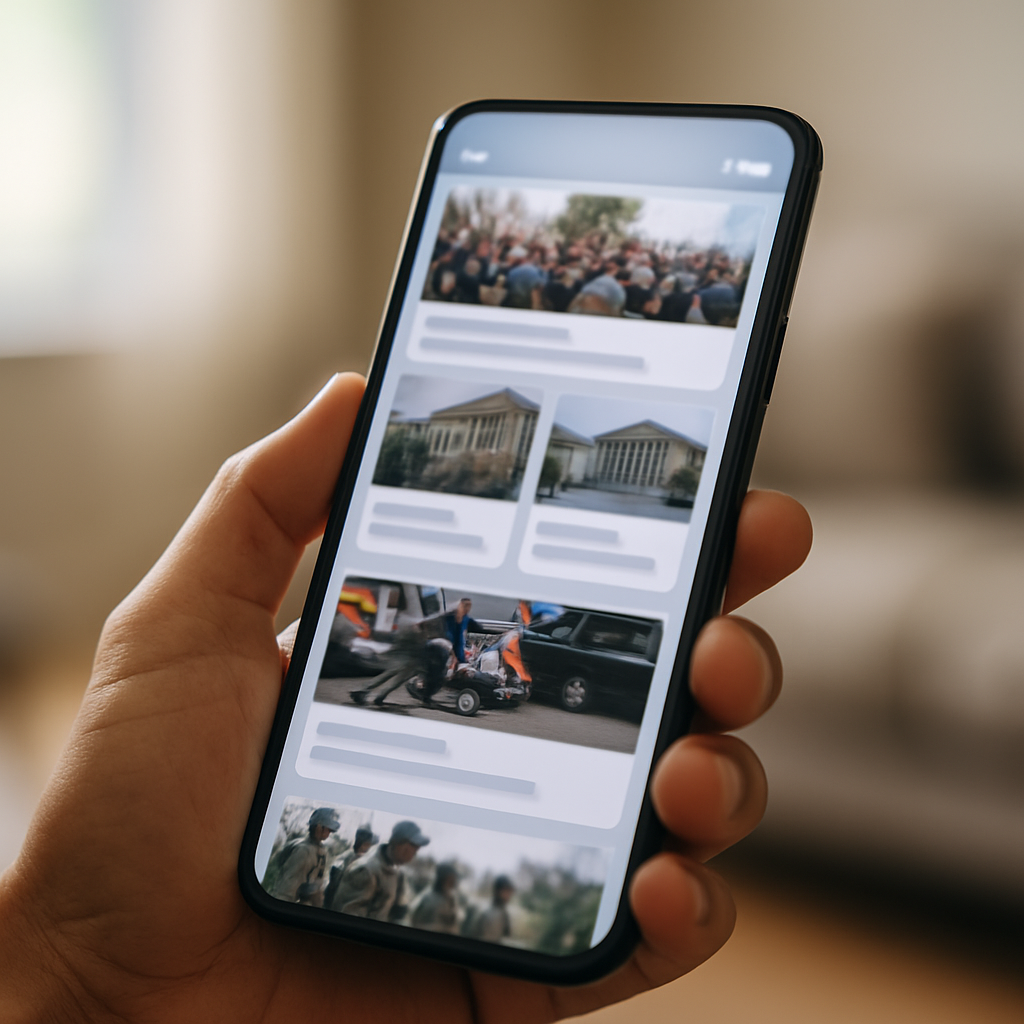
Generative AI tools have made it trivially easy to produce fake articles, fabricated quotes, deepfake video clips, and synthetic audio recordings that mimic real public figures. What once required a team of skilled editors and video producers can now be accomplished by a single person with a laptop and a free-tier AI account. The result is a content ecosystem flooded with material that looks credible on the surface but has no factual foundation whatsoever.
Social media algorithms make the problem considerably worse. These systems are tuned to reward engagement, and emotionally charged, outrage-inducing content, whether true or false, consistently outperforms measured, factual reporting. A fabricated story claiming a politician made a shocking statement can accumulate hundreds of thousands of shares before a correction reaches even a fraction of that audience. By then, the false version has already settled into people’s understanding of events.
News outlets are not immune either. Several smaller online publications have been caught republishing AI-generated stories fed through automated content pipelines, sometimes without any human editorial review at all. The blurring line between legitimate journalism and AI-produced content farms is one of the defining information problems we are navigating right now.
What Makes AI Fake News in 2026 So Hard to Detect
Earlier AI-generated text had telltale signs: awkward phrasing, repetitive sentence structures, and a curious inability to pin down specific dates or local details. Modern large language models have largely overcome these weaknesses. Fabricated articles now include plausible citations, realistic-sounding source names, and even invented quotes that match a real person’s known communication style closely enough to fool a casual reader.
Deepfake video and synthetic audio have followed a similar trajectory. Lip-sync technology has reached a point where fabricated video of a well-known figure requires frame-by-frame forensic analysis to debunk. Audio cloning tools can replicate a person’s voice from only a few seconds of real recordings. These capabilities are not theoretical; they are being deployed actively across political campaigns, health disinformation networks, and financial fraud schemes.
The health space is particularly vulnerable. Fabricated medical advice dressed up as breaking research spreads rapidly through wellness communities and parenting groups. Providers such as HealthPod Mansfield, a health and wellbeing service operating in Nottinghamshire, have noted the real-world consequences of patients arriving with convictions formed by AI-generated health content they encountered online, sometimes refusing evidence-based guidance as a result.
Practical Ways to Spot AI-Generated Fake News Before You Share
The good news is that a handful of reliable habits go a long way towards protecting you from spreading disinformation, even when the content appears highly convincing.
Check the source before anything else
Before reading past the headline, look at the publication name. Search for it independently rather than clicking through from a social media post. A credible outlet will have an established presence, named journalists, and a clear editorial contact. Anonymous blogs or news-like sites with generic names and no author credits are immediate red flags.
Look for corroboration from multiple outlets
If a genuinely significant story has broken, more than one credible news organisation will be covering it. If a dramatic claim appears on only one obscure site, treat it with scepticism until you find independent verification. This single step stops the vast majority of viral misinformation in its tracks.
Use reverse image and video search tools
Images and video clips are frequently stripped from their original context and repurposed to illustrate false narratives. Google Lens and tools like InVID allow you to check where an image or video originally appeared. A photograph described as showing a recent event may turn out to be years old or taken in an entirely different country.
Pay attention to emotional manipulation
AI fake news in 2026 is engineered to provoke a strong emotional reaction, typically anger, fear, or moral outrage. If a piece of content makes you feel an urgent need to share it immediately, that urgency itself is worth pausing on. Genuine journalism rarely relies on making you furious within the first two sentences.
Check dates and specific local details
AI-generated content sometimes struggles to anchor itself convincingly in local or recent specifics. Vague references to unnamed officials, unverifiable locations, or suspiciously round statistics can indicate machine-generated text. Cross-reference any named institutions, dates, or figures against known reliable sources.
Why This Matters Beyond the Political Sphere
Much of the conversation around disinformation focuses on politics, but AI-generated fake news causes serious harm across other domains too. Health misinformation built on fabricated research drives people away from effective treatments. Financial misinformation, including fake announcements attributed to real executives, is used to manipulate markets. Even local community news can be distorted, with synthetic content designed to inflame neighbourhood disputes or undermine trust in local services.
The team at HealthPod Mansfield, which provides accessible health consultations and wellbeing support in the East Midlands, has spoken publicly about how synthetic health content circulating on platforms like Facebook and TikTok directly affects patient decision-making. When a convincing but entirely fabricated post tells people that a widely used medication causes a particular side effect, the downstream effect on trust and treatment compliance is measurable and harmful.
Media literacy is not a niche skill for journalists or academics anymore. Knowing how to evaluate the credibility of what you read and watch online is as essential as any other form of everyday literacy. The tools and habits described above require no specialist knowledge, only the willingness to slow down for thirty seconds before hitting share. In an environment where AI fake news spreads faster than corrections ever can, those thirty seconds matter more than ever.
Frequently Asked Questions
How can I tell if a news article was written by AI?
Look for vague sourcing, an absence of named journalists, repetitive or overly smooth sentence structures, and claims that cannot be corroborated elsewhere. Many AI-generated articles also lack genuinely specific local detail or credible publication history. Running suspicious text through a detection tool like GPTZero can also help, though no tool is foolproof.
What is a deepfake and how does it relate to fake news?
A deepfake is a synthetic video or audio recording generated by AI to make it appear that a real person is saying or doing something they never did. They are increasingly used to spread political misinformation, fabricate statements by public figures, and lend false credibility to invented stories. Always check whether video of a controversial statement has been reported by credible outlets before accepting it as genuine.
Are social media platforms doing enough to stop AI-generated misinformation?
Most major platforms have introduced AI content labelling policies and have expanded their fact-checking partnerships, but enforcement is inconsistent and reactive rather than proactive. False content often circulates for hours or days before any action is taken, by which point significant damage to public understanding may already be done. Platform policies remain well behind the pace of AI-generated content creation.
What are the best fact-checking websites to use in the UK?
Full Fact is the UK’s leading independent fact-checking charity and covers a broad range of claims across politics, health, and public life. BBC Reality Check and Channel 4 FactCheck are also reliable resources. For global claims, Snopes and Reuters Fact Check are widely respected. Cross-referencing across two or more of these significantly improves your ability to verify a claim.
Why is health misinformation spread by AI particularly dangerous?
AI-generated health misinformation can mimic the tone and structure of genuine medical research, making it highly convincing even to educated readers. When people act on fabricated medical advice, the consequences range from avoiding effective treatments to taking unsafe remedies. The harm is compounded by the fact that corrections tend to reach a much smaller audience than the original false claim.