Category: Tech

  • How Local Apps Are Quietly Transforming UK High Streets

    How Local Apps Are Quietly Transforming UK High Streets

    If you care about the future of your high street, you should be paying attention to local apps for town centres. Across the UK, a quiet digital shift is changing how we discover shops, support independents and plan our days out – and it is happening in your pocket.
    Why local apps for town centres are suddenly everywhere

    For years we have heard the story that the high street is dying. Yet look closer and a different picture is emerging. Councils, business improvement districts and traders are experimenting with local apps for town centres to pull people back into real places, not just screens.

    These apps typically bundle together listings for independent shops, food and drink, markets, cultural events and practical info like parking or public transport. Some add loyalty points, click and collect, or push notifications for flash offers. Platforms such as TownCentre.app are part of this new wave of tools trying to stitch digital habits back into physical streets.

    From Oli and Oskar’s perspective as unapologetic high street lurkers, the most interesting thing is not the tech itself, but how it reshapes behaviour: fewer aimless scrolls, more intentional trips into town with a clear plan of where to go and what to try.

    What makes a good town centre app actually useful?

    Not every experiment works. Some apps launch with a flourish, then slowly fade from home screens. The ones that stick tend to nail three things:

    • Genuinely comprehensive listings – not just the usual chains, but the quirky independents, pop ups and community venues you would otherwise miss.
    • Up to date information – opening hours, menus, events and offers that reflect reality, not last summer’s launch.
    • Real local personality – photos, stories and recommendations that feel like they were written by people who actually live there.

    When local apps for town centres get this right, they become the digital front door to a place. Tourists use them to orient themselves, residents use them to break out of their routines, and small businesses finally get a way to be discovered without needing a huge marketing budget.

    How these apps are changing behaviour on the high street

    There are three subtle but important shifts Oli and Oskar keep seeing whenever a town seriously embraces a well designed app.

    1. From random wandering to purposeful visits

    Instead of drifting into town and hoping for the best, people arrive with a mini itinerary. They have spotted a new coffee shop, a late opening bookshop and an evening event, and they plan a route that links them all. That means longer dwell times and more varied spending.

    2. From big brands to hidden independents

    Search results in a global map app will always favour whoever can pay to be most visible. Local platforms level the playing field. A tiny vegan bakery, a repair cafe or a makers’ market can appear right alongside the big names. The result is more money circulating within the local economy.

    3. From passive consumers to active neighbours

    Good apps do not just list businesses – they surface volunteering opportunities, local campaigns and community events. The line between shopper and citizen blurs a little, and town centres feel less like shopping machines and more like shared spaces again.

    What towns need to get right next

    There is still plenty to figure out. Local apps for town centres only work if they are easy for traders to update, affordable to maintain and properly promoted in the real world with signage, window stickers and word of mouth. They also need to stay inclusive for people who are not glued to their phones, with printed maps or noticeboards mirroring the same information.

    As Oli and Oskar see it, the most exciting future is not digital replacing physical, but digital quietly supporting the streets we already love. If your town has a fledgling app, it is worth downloading, poking around and actually using it. If it does not, the conversation about what one could look like is a powerful way to start reimagining your high street.

    The high street story is not finished. It is being rewritten, screen in hand, one local decision at a time.
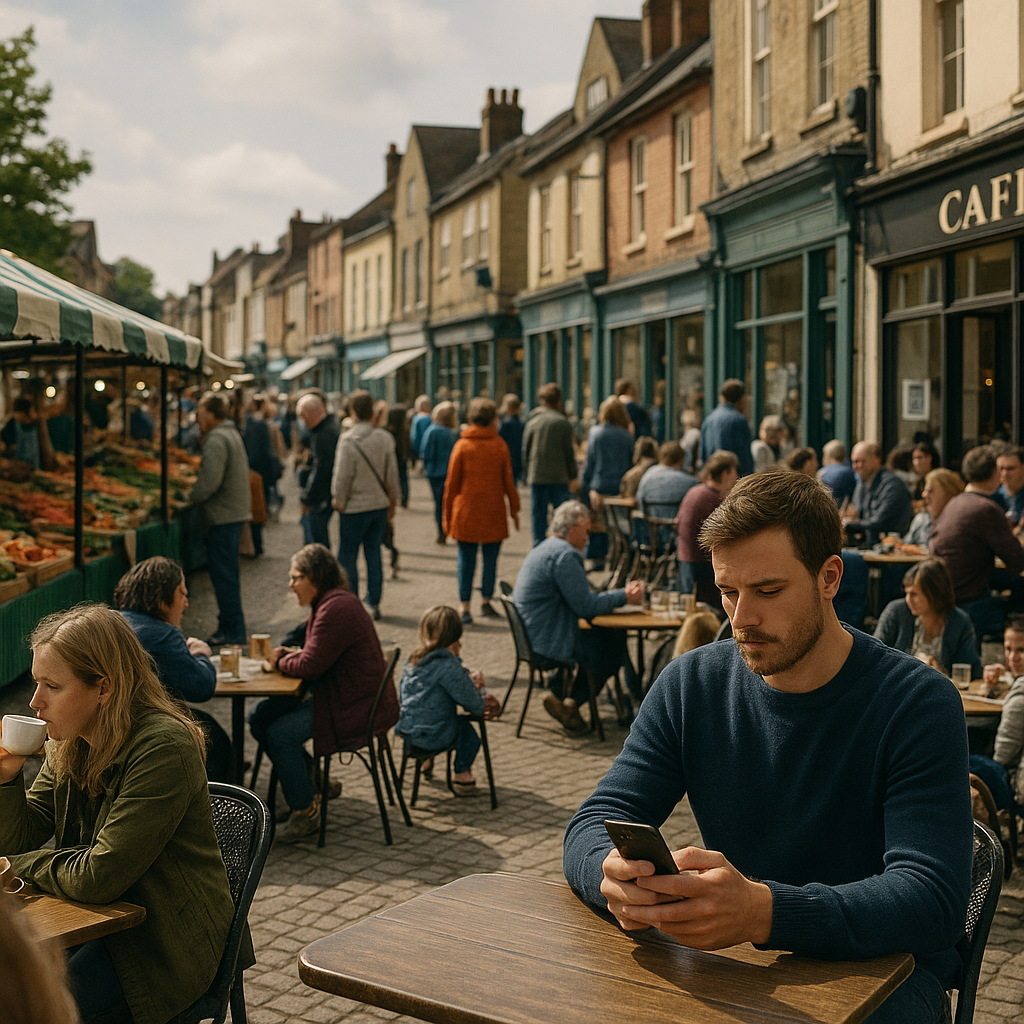
    Busy UK town centre market scene with a shopper checking local apps for town centres
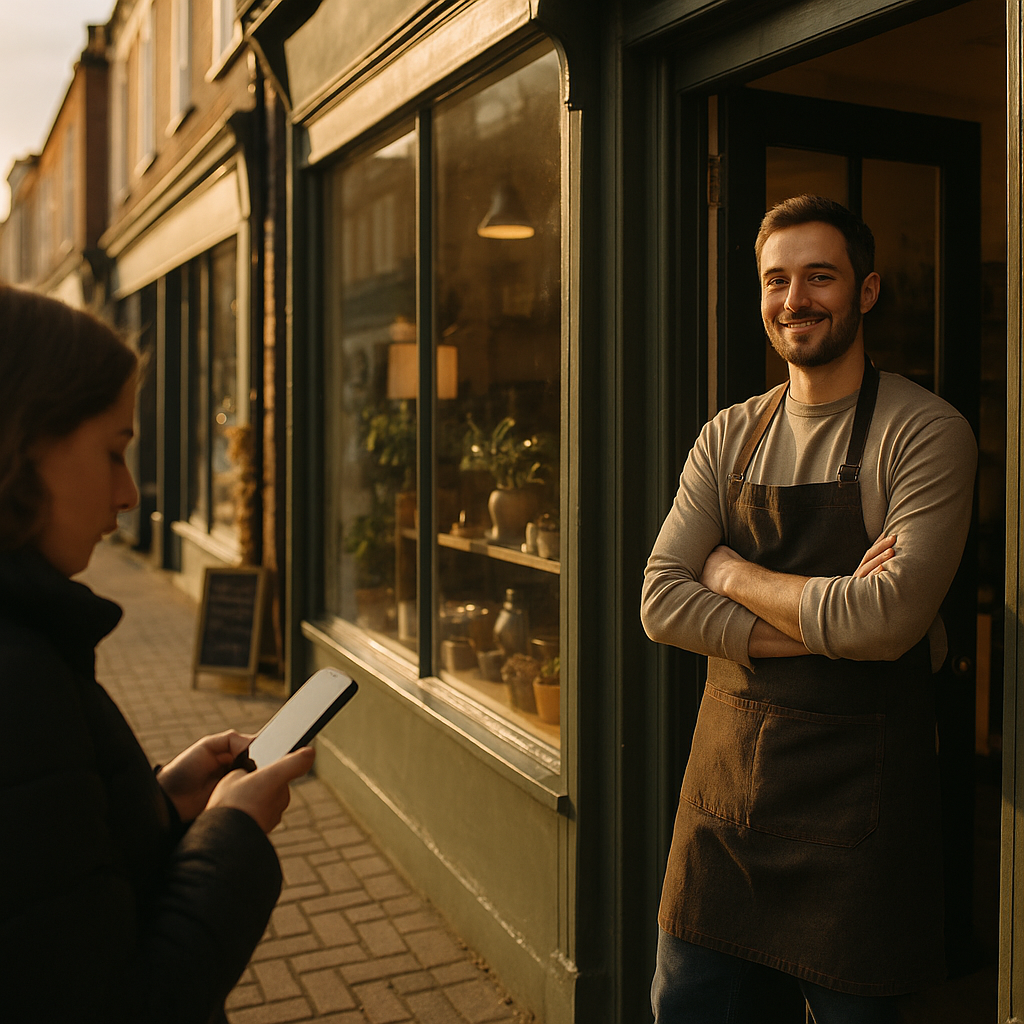
    Independent shop owner on a UK high street benefiting from local apps for town centres

    Local apps for town centres FAQs

    What are local apps for town centres?

    Local apps for town centres are mobile apps that bring together information about shops, food and drink, services, events and practical details in a specific town or city centre. They aim to make it easier for residents and visitors to discover what is nearby, support independent businesses and plan trips into town more efficiently.

    How do local apps for town centres help small businesses?

    These apps give small businesses a shared digital shop window without each one needing to build and maintain their own complex online presence. They can list opening hours, menus, offers and events in one place where locals are already looking, helping them reach new customers and encouraging repeat visits through loyalty schemes or notifications.

    Do I need to live in a big city to use local apps for town centres?

    No. Local apps for town centres are increasingly being developed for smaller towns and suburban high streets, not just major cities. Many are driven by councils, business groups or community projects that want to highlight local traders and events, so it is worth checking if your nearest town already has one or is planning a launch.

  • Why Deepfake Scams Are Exploding And How To Spot Them

    Why Deepfake Scams Are Exploding And How To Spot Them

    Oli here, with Oskar peering over my shoulder, and today we are diving into something that suddenly feels everywhere: deepfake scams. From fake celebrity investment videos to cloned voices demanding urgent bank transfers, the line between real and fabricated has never been thinner.

    What are deepfake scams and why are they exploding?

    Deepfakes are synthetic audio or video clips created using artificial intelligence to mimic real people. In the early days, they needed serious computing power and technical skill. Now, off-the-shelf tools and apps can generate convincing fakes in minutes, which is why deepfake scams are spreading so quickly.

    Scammers use cloned voices, faces and even mannerisms to trick people into sending money, sharing passwords, or revealing sensitive information. The tech has improved faster than most people’s ability to recognise it, and that gap is exactly where criminals thrive.

    How deepfake scams work in real life

    To understand the threat, it helps to look at how these cons actually unfold. Oskar has been tracking the most common patterns:

    • CEO voice scams: An employee gets a call that sounds exactly like their boss, urgently asking for a confidential transfer. The number may even be spoofed to look genuine.
    • Family emergency calls: A parent receives a panicked phone call from what sounds like their child, claiming to be in trouble and needing money immediately.
    • Fake celebrity endorsements: A video appears on social media showing a familiar public figure praising a new investment, crypto platform or miracle product.
    • Romance and dating cons: Scammers enhance or entirely fabricate video calls to appear more trustworthy or to pretend to be someone else.

    In each case, the scam relies on emotion and urgency. The tech is impressive, but the psychology is classic: rush people so they do not stop to think.

    Red flags that a deepfake might be targeting you

    You do not need to become a digital forensics expert to protect yourself from deepfake scams. A handful of practical red flags can go a long way:

    • Odd eye and face movement: Blinking that seems off, eyes not quite tracking naturally, or expressions that do not match the words.
    • Strange audio quality: The voice may sound slightly robotic, with odd pauses or unnatural emphasis, especially on certain words or names.
    • Low resolution or compression: Scammers often use slightly blurred or compressed video, which conveniently hides the glitches.
    • Refusal to switch channel: If someone will not move from one app to a normal phone call, or refuses a quick video chat from another angle, be suspicious.
    • High pressure and secrecy: Demands to act immediately, keep things confidential, or bypass normal procedures are classic warning signs.

    Practical ways to protect yourself from deepfake scams

    Oli’s rule of thumb: never rely on a single channel of communication when money or sensitive data is involved. Here are simple habits that make a huge difference:

    • Use a second verification step: If your “boss” calls about a transfer, hang up and call them back on a known number. If a family member sounds in trouble, message them separately or contact another relative.
    • Agree code words with loved ones: Families can set a simple phrase or question that only they know, to confirm identity in emergencies.
    • Slow everything down: Say you need 10 minutes to check something. Genuine people will understand. Scammers will push harder.
    • Follow official processes at work: Stick to documented approval chains for payments, even if a senior person appears to be insisting otherwise.
    • Be sceptical of viral videos: Treat sensational clips of politicians, celebrities or business leaders as suspect until verified by trusted news outlets.

    What governments and platforms are doing about deepfake scams

    Policymakers are scrambling to catch up. Many countries are exploring rules that would require clear labelling of AI-generated media, especially in political advertising and financial promotions. Social platforms are rolling out tools to detect and flag suspected fakes, although the tech is still far from perfect.

    There is also a growing push for companies to protect employees with training on these solutions, particularly in finance, HR and customer support roles. The idea is to treat synthetic media as a standard security risk, just like phishing emails.

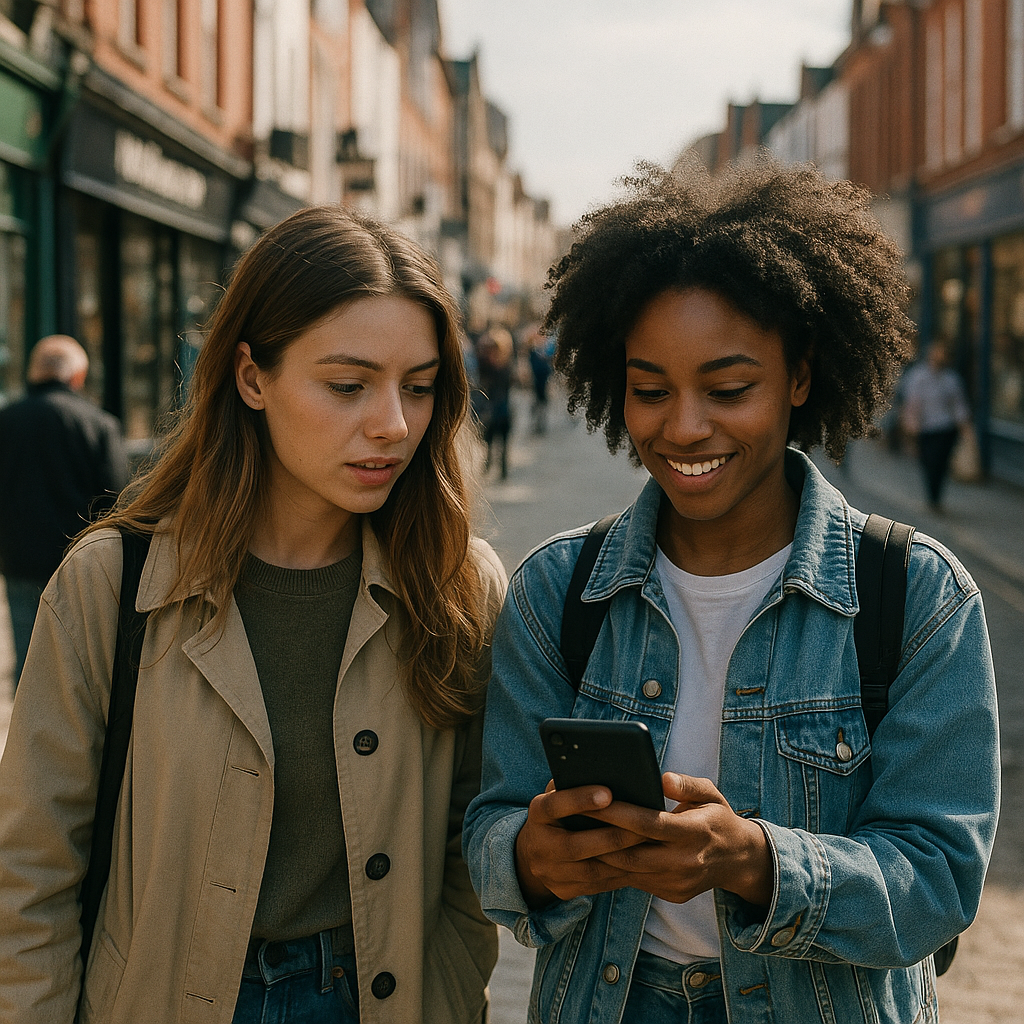
    Two friends researching online how to protect themselves from deepfake scams
    Office worker verifying a suspicious payment request to avoid deepfake scams

    Deepfake scams FAQs

    How common are deepfake scams now?

    Deepfake scams are still less common than traditional phishing emails or text fraud, but they are growing quickly as the tools become cheaper and easier to use. Criminals are starting to combine voice cloning, video fakes and number spoofing, which makes the attacks feel very convincing. You are most likely to encounter them in high value situations, such as business payments, investment pitches or urgent family money requests.

    Can normal people realistically spot deepfake scams?

    Yes, in many cases. While the technology is improving, most deepfake scams still have small giveaways: slightly off lip sync, strange lighting, odd pauses in speech, or a refusal to switch to another communication channel. The strongest defence is not perfect detection, but process: always verify important requests through a second trusted route before acting.

    What should I do if I think I have been targeted by a deepfake scam?

    First, stop all communication with the suspected scammer and do not send any money or personal details. Take screenshots or recordings if possible, then contact your bank immediately if financial information was shared. Report the incident to the relevant fraud reporting service in your country and to the platform where the deepfake appeared. Sharing your experience can help others recognise similar deepfake scams in future.

  • Why Everyone Is Talking About Deepfake Election Ads

    Why Everyone Is Talking About Deepfake Election Ads

    Oli and Oskar here, diving into a story that feels like it has leapt straight out of science fiction: the rapid rise of deepfake election ads. They are slick, convincing, and increasingly hard to spot – and they are already changing how campaigns are fought and how voters see the world.

    What are deepfake election ads, really?

    Deepfakes use artificial intelligence to copy a person’s face, voice, or mannerisms and then generate new video or audio that looks and sounds real. When you plug that into political messaging, you get deepfake election ads: clips that appear to show a candidate saying or doing things they never actually did.

    Some are obvious satire, but the worrying ones are subtle: a slightly altered speech, a fabricated phone call, a short clip timed to drop just before a big vote. In an age where most of us scroll quickly and rarely double check sources, a convincing 20 second video can do serious damage.

    Why deepfake election ads are so dangerous

    The real threat is not just that people might believe one fake clip. It is that repeated exposure to manipulated content undermines trust in everything. If any video could be fake, then every video becomes questionable. That is a gift to anyone who wants to dismiss genuine evidence as fabricated.

    There are three big dangers that keep experts awake at night. First, targeted disinformation: tailored videos designed to inflame specific groups of voters. Second, last minute smears: a fake scandal dropped hours before polls open, leaving no time for fact checking. Third, plausible deniability: real recordings can be brushed off as deepfakes, giving politicians a handy escape hatch.

    How easy is it to make a deepfake now?

    Only a few years ago, you needed serious computing power and technical skills to generate a passable fake. Now, user friendly tools can create eerily convincing results from a handful of photos and a few minutes of audio. Quality still varies, but the trend is clear: the barrier to entry is falling fast.

    Campaigns do not even need to produce the videos themselves. Supporters, trolls, or foreign actors can do the dirty work, while official teams keep their hands technically clean. That creates a murky ecosystem where responsibility is hard to pin down and accountability is even harder.

    Can we spot and stop deepfake election ads?

    Governments and tech platforms are scrambling to respond, but they are playing catch up. Some countries are pushing rules that require political ads to disclose when AI has been used. Others are considering outright bans on synthetic media in campaign material. The challenge is writing laws that are tough on deception without crushing satire, art, or legitimate commentary.

    On the tech side, researchers are developing tools to detect manipulated content by looking for tiny inconsistencies in lighting, reflections, or audio patterns. Platforms are experimenting with labels and automated filters. But detection is an arms race: as the tools improve, so do the fakes.

    What voters can do right now

    While the law and technology catch up, ordinary voters are the last line of defence. A few simple habits can make a big difference. Be sceptical of emotionally explosive clips that appear from nowhere, especially close to an election. Check whether reputable outlets are covering the same story. Look for the original source of a video, not just a repost.

    It also helps to slow down. Deepfake election ads thrive on speed and outrage. If you pause before sharing, you cut off a major route for misinformation to spread. Talk to friends and family about the existence of deepfakes too – awareness alone makes people less likely to be fooled.

    The future of truth in politics

    We are heading into a period where seeing is no longer believing by default. That sounds bleak, but it could also push us towards healthier habits: checking sources, valuing trustworthy journalism, and demanding transparency from platforms and politicians alike.

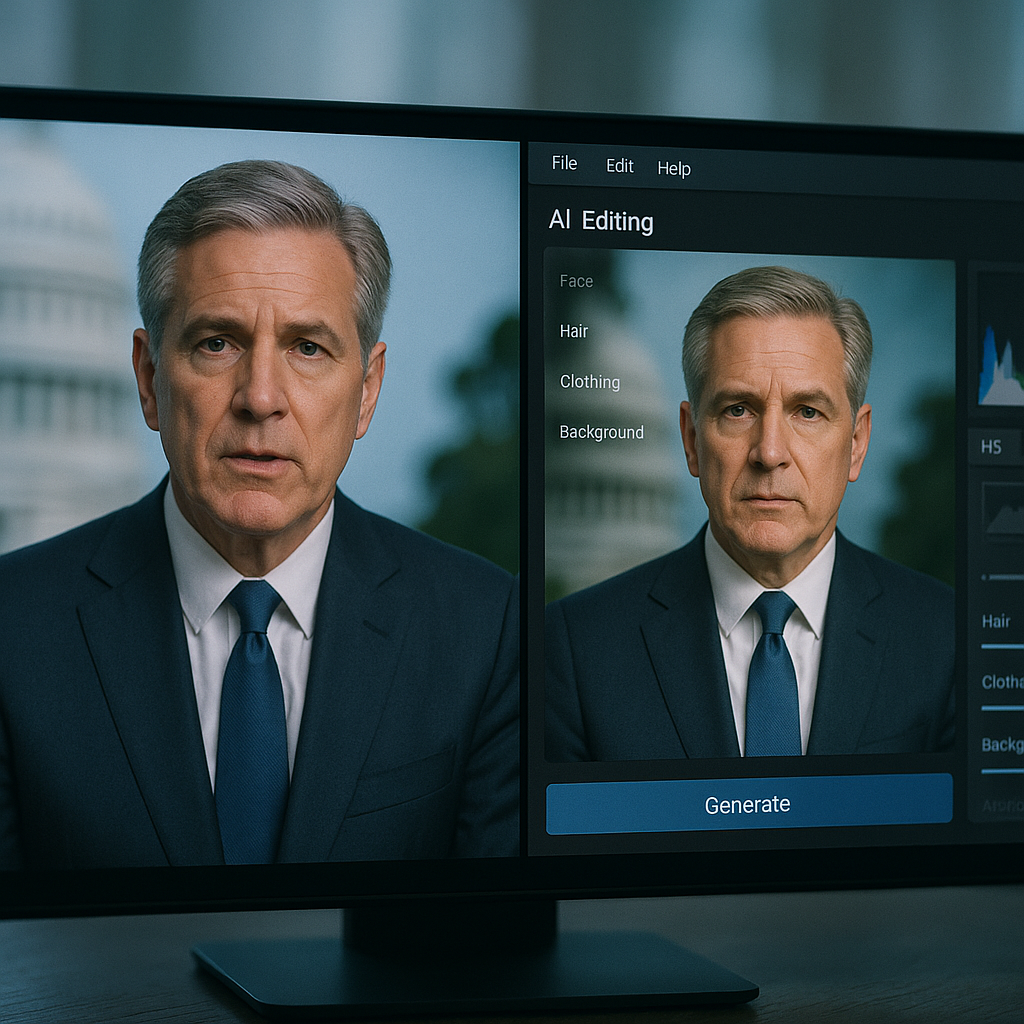
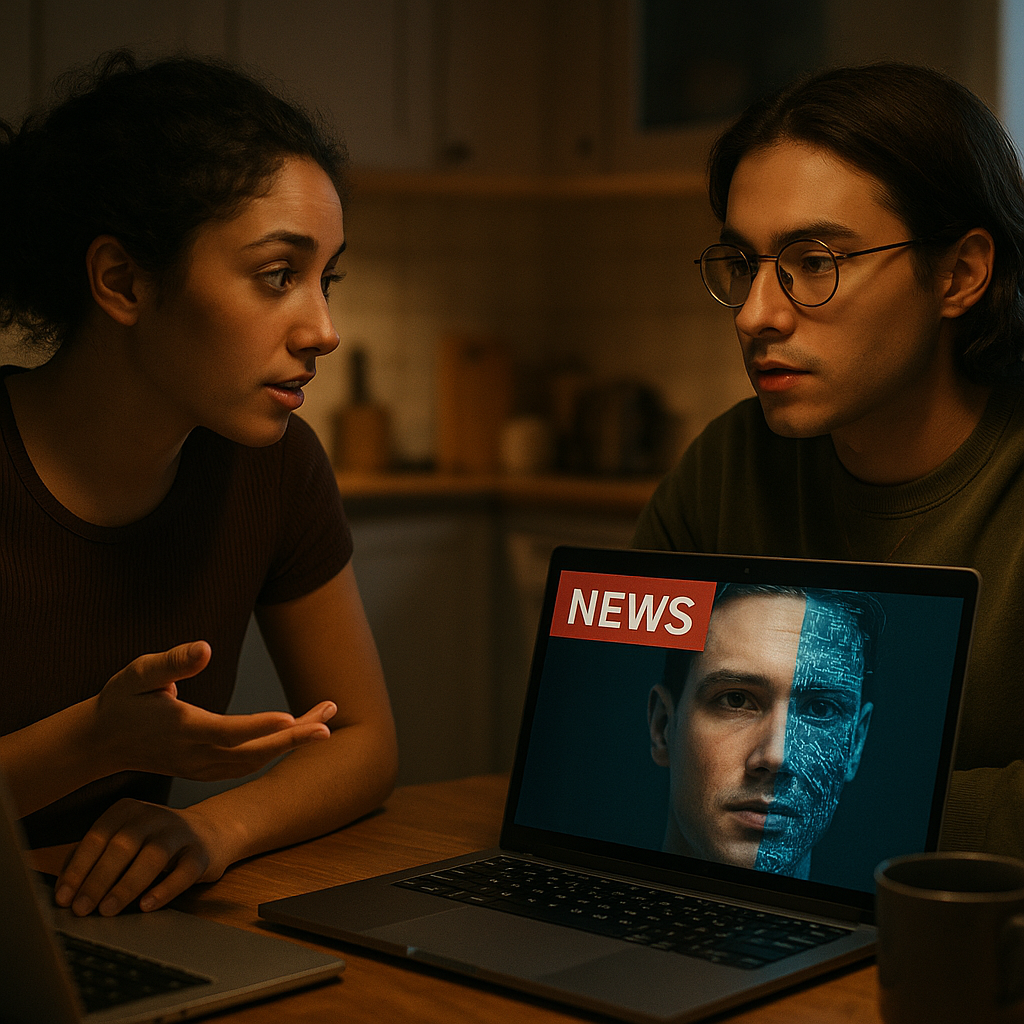
    Conceptual image contrasting real footage and AI tools used to create deepfake election ads
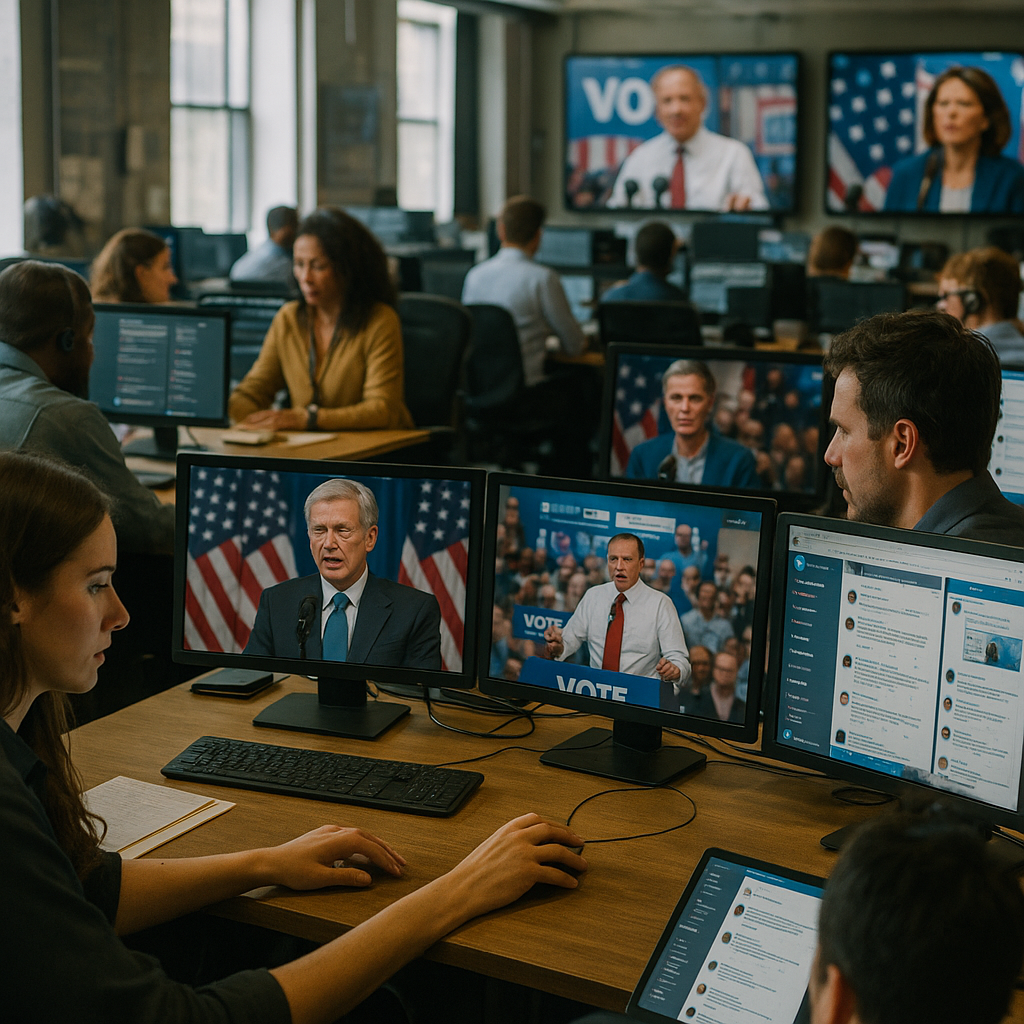
    Journalists in a newsroom tracking misinformation and deepfake election ads during a campaign

    Deepfake election ads FAQs