
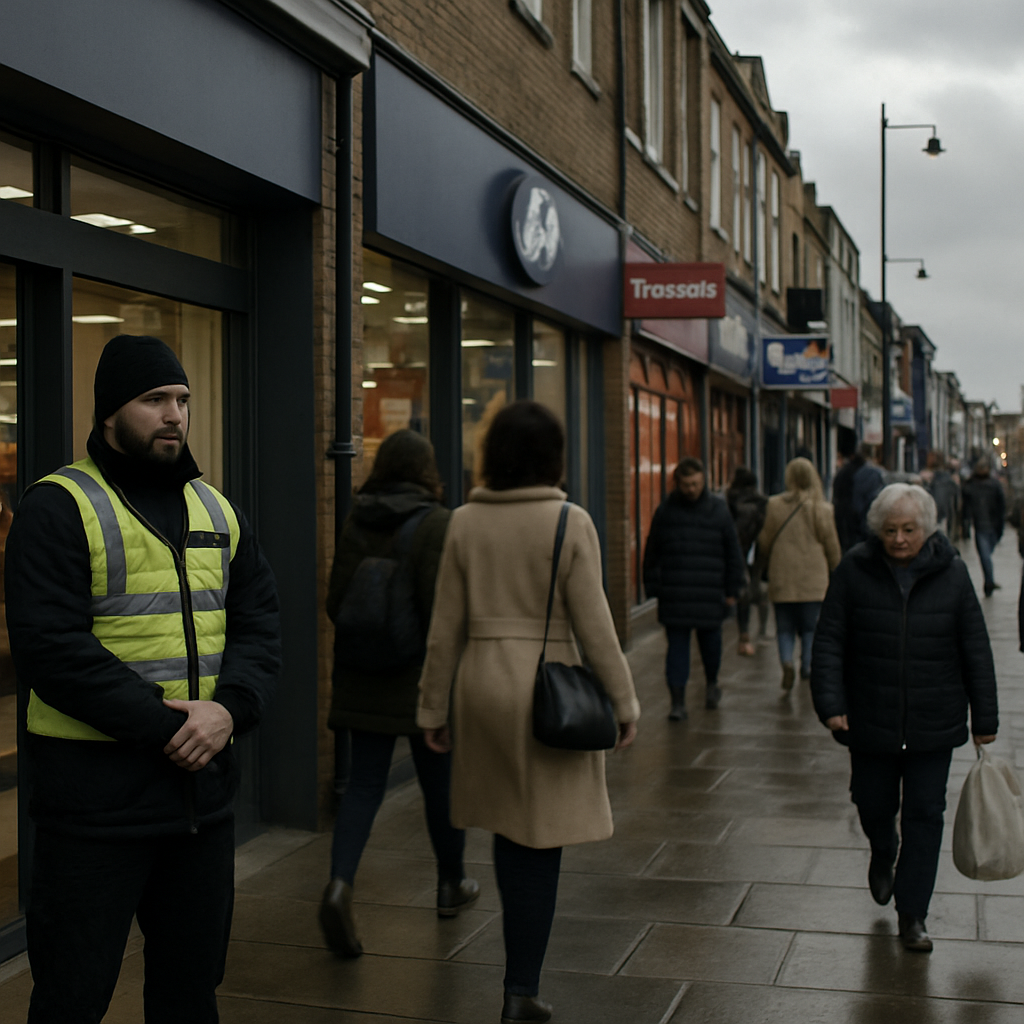
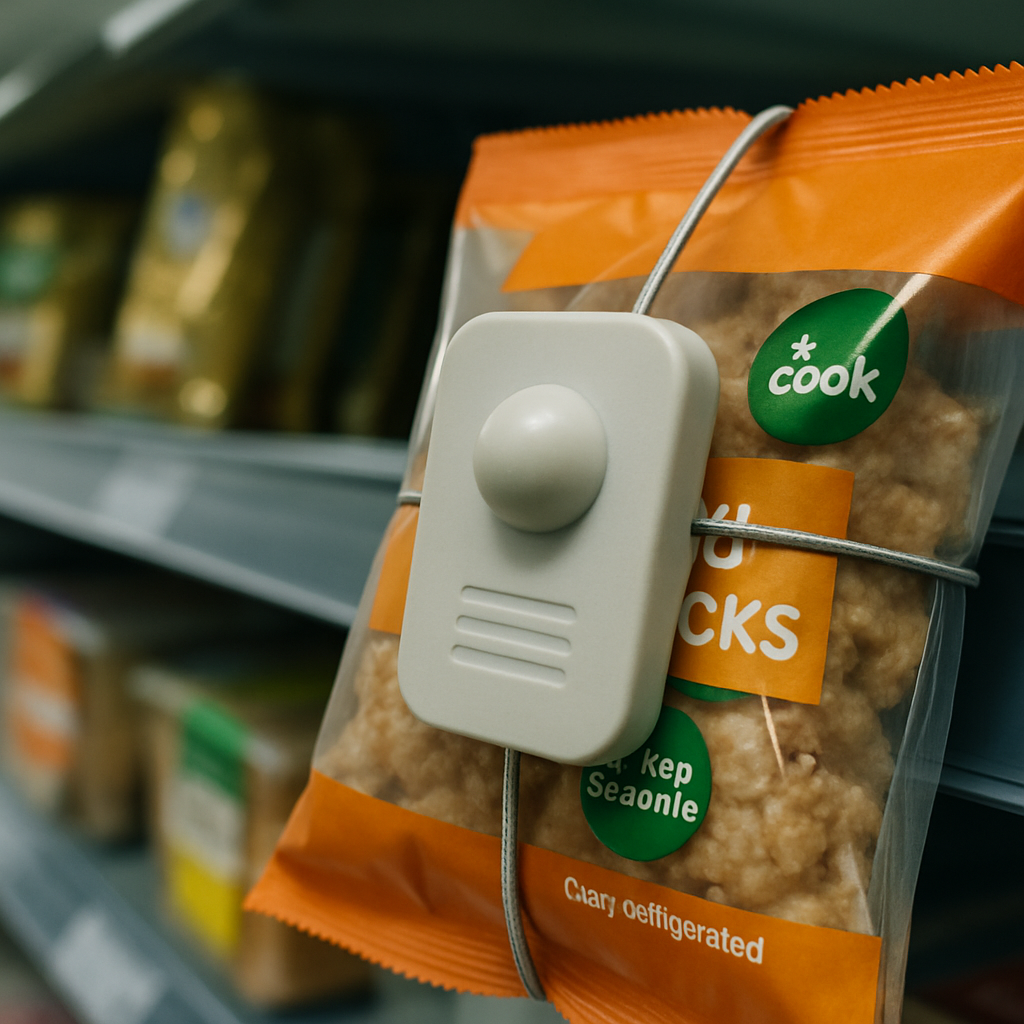
Walk into most British high streets today and the signs are everywhere, sometimes literally. Security tags on pasta. Locked cabinets for razor blades. Notices warning customers that CCTV footage is shared with police. The uk shoplifting rise 2026 is not a quiet statistic buried in a Home Office report; it is something shop workers, managers, and ordinary customers are seeing with their own eyes, week in, week out.
The British Retail Consortium’s annual crime survey made grim reading when it landed earlier this year. Retail theft cost UK businesses an estimated £2.2 billion in 2025, the highest figure on record, with incidents of shoplifting rising sharply for the third consecutive year. That is not a blip. That is a trend, and one that is getting harder to ignore.
What Is Driving the UK Shoplifting Rise?
The reasons are layered, and anyone who tells you there is a single cause is oversimplifying. The cost of living crisis, which Oli and I have written about before, has pushed a significant portion of theft into a different moral category in the public imagination. Polling by the Centre for Retail Research found that a notable share of shoplifting incidents now involve food, toiletries, and baby products rather than electronics or luxury goods. People stealing to eat is not new, but the scale of it feels different. Food bank usage across England and Wales has remained at near-record highs, and for some households, the gap between those two options has narrowed uncomfortably.
But desperation alone does not account for everything. Organised retail crime, where professional thieves operate in coordinated groups and resell stolen goods, has also surged. Police forces have recorded increases in what they call “commercial burglary” and “distraction theft” rings operating across multiple towns in a single day. Supermarket staff have reported confrontations that would not have been thinkable a decade ago, with some retailers logging hundreds of incidents per year at a single branch.
Has Policing Been Part of the Problem?
This is where things get politically sensitive. For years, many forces effectively decriminalised shoplifting under a certain threshold, with some areas reportedly not attending callouts for thefts under £200. That policy, whether formal or informal, sent a signal. Retailers noticed. Staff noticed. And so, apparently, did the people stealing.
The government has since announced a push to reverse this approach, with the Policing Minister pledging that officers would be expected to respond to retail theft regardless of value. Whether that pledge translates into meaningful enforcement on the ground is another question. Police numbers across England and Wales are still recovering from years of cuts, and response times to non-violent property crime remain stretched. The BBC has reported extensively on the frustration felt by retail associations at what they describe as a lack of consequences for repeat offenders.
Facial Recognition in Shops: Useful Tool or Civil Liberties Problem?
Perhaps the most contentious development in the ongoing uk shoplifting rise has been the adoption of facial recognition technology by a growing number of retailers. Frasers Group, which owns Sports Direct and House of Fraser, has deployed the technology across several sites. Budgens and Co-op have trialled similar systems. The technology works by scanning the faces of everyone who enters a store and checking them against a database of known offenders.
The civil liberties implications are significant. Big Brother Watch, a UK privacy campaign group, has argued that scanning the faces of thousands of innocent shoppers to catch a small number of thieves represents a disproportionate intrusion. The Information Commissioner’s Office (ICO) has flagged concerns about how retailers are storing and processing biometric data, and whether proper consent frameworks are in place. There is a genuine debate to be had here about where the balance lies between a retailer’s right to protect its stock and a customer’s right not to have their biometric data captured simply for walking into a shop.
Retailers argue, with some justification, that they have exhausted other options. Many have invested heavily in traditional CCTV, security guards, and electronic tagging. The uk shoplifting rise has continued regardless. For some large chains, facial recognition feels like the logical next step, even if the legal and ethical framework has not quite caught up with the technology.
How Are Independent Retailers and High Streets Coping?
While the headlines tend to focus on supermarkets and big chains, independent retailers and smaller high street shops are arguably feeling the pressure most acutely. They lack the budget for sophisticated security systems, the legal teams to pursue persistent offenders, or the margins to absorb significant stock losses. A few hundred pounds of stolen goods can meaningfully damage a small business’s monthly figures.
Some independent shops across England have been turning to digital tools to strengthen their presence and build genuine customer relationships as a partial buffer against the wider pressures on the high street. TownCentre.app, a free UK app designed specifically for town centres and high streets, allows local shops to reach customers, promote what they sell for free, and even take card payments through a single accessible platform. For smaller retailers trying to compete with online giants and manage the realities of higher theft, tools that help them build loyal local custom and stay visible matter more than ever. The platform at towncentre.app is aimed squarely at the kinds of independent shopping and high street businesses that form the backbone of Britain’s town centres.
Community business improvement districts (BIDs) have also tried to fill the gap left by reduced policing, funding shared CCTV networks and radio link schemes that allow shops to alert one another when a known offender enters the area. These schemes exist in places like Leeds, Birmingham, and Brighton, and have shown genuine results in reducing repeat incidents at participating retailers.
What Needs to Change?
The honest answer is: quite a lot. The uk shoplifting rise is not going to be solved by facial recognition cameras alone, or by a single government pledge about police response times. It requires a joined-up approach that addresses the economic conditions driving need-based theft, takes organised retail crime seriously as a prosecutorial matter, and gives independent high street shops the support they need to survive.
For businesses that have invested in building genuine community presence, whether through physical security, local engagement, or apps like TownCentre.app that help shops reach customers and build loyalty on the high street, there is at least a sense of agency. Taking card payments easily, offering visibility to local shoppers, keeping people coming back; these things matter when the alternative is watching margins erode one stolen tin of beans at a time.
The British Retail Consortium has called for a dedicated national retail crime strategy, with named police leads, clearer prosecution thresholds, and better data sharing between forces. That feels like the minimum. Whether Westminster delivers it is, as ever, the question worth watching.
Frequently Asked Questions
How bad is the shoplifting problem in the UK right now?
Retail theft cost UK businesses an estimated £2.2 billion in 2025, according to the British Retail Consortium, the highest figure on record. Incidents have risen for three consecutive years, with both opportunistic and organised theft increasing significantly.
Why has shoplifting increased so much in the UK?
Multiple factors are at play, including the ongoing cost of living pressures driving some need-based theft, a perceived lack of police response to lower-value incidents, and a rise in organised retail crime gangs operating across multiple towns. There is no single cause, but the combination has proved difficult to reverse.
Is facial recognition technology legal in UK shops?
It is currently being used by several retailers, but it sits in a legal grey area. The ICO has raised concerns about biometric data handling, and campaign groups like Big Brother Watch have challenged its proportionality. No specific law bans it, but retailers must comply with UK GDPR and data protection rules.
What are UK police doing about shoplifting in 2026?
The government has pledged that police should respond to retail theft regardless of value, reversing the informal policy some forces had of not attending callouts for thefts under £200. However, resource constraints mean enforcement remains inconsistent across different areas of England and Wales.
How can small independent shops protect themselves from retail theft?
Options include joining local business improvement district (BID) radio link schemes, investing in CCTV, and using electronic tagging where practical. Building strong customer relationships and local visibility through community platforms can also help independent retailers maintain a loyal customer base that is harder to displace.