Something shifted around 2024. The deepfakes stopped being funny. No longer were they novelty clips of celebrities saying absurd things or viral pranks doing the rounds on social media. By 2026, the technology had matured into something genuinely dangerous, and the consequences for democracy, journalism, and basic public trust are hard to overstate. Deepfakes disinformation 2026 is not a niche concern for tech researchers anymore. It is a mainstream political problem, and most people have no idea how bad it has already got.
How Deepfake Technology Has Evolved Since 2024
Two years ago, a trained eye could still spot a deepfake. The skin looked waxy. Teeth blurred at the edges. Blinking was slightly off. Those tells are largely gone now. The models generating synthetic video have improved so dramatically that even professionals armed with detection software are struggling to keep up. A 2025 report from the Alan Turing Institute found that human reviewers correctly identified AI-generated video only 52% of the time, barely better than a coin flip.
Audio has followed the same trajectory. Voice cloning tools that once required hours of training data can now replicate a person’s voice from a 30-second sample. We have seen this used to fabricate phone calls, interviews, and parliamentary soundbites. The gap between what is real and what is synthetically produced has effectively closed for the average listener or viewer.
The Impact on UK Elections and Political Trust
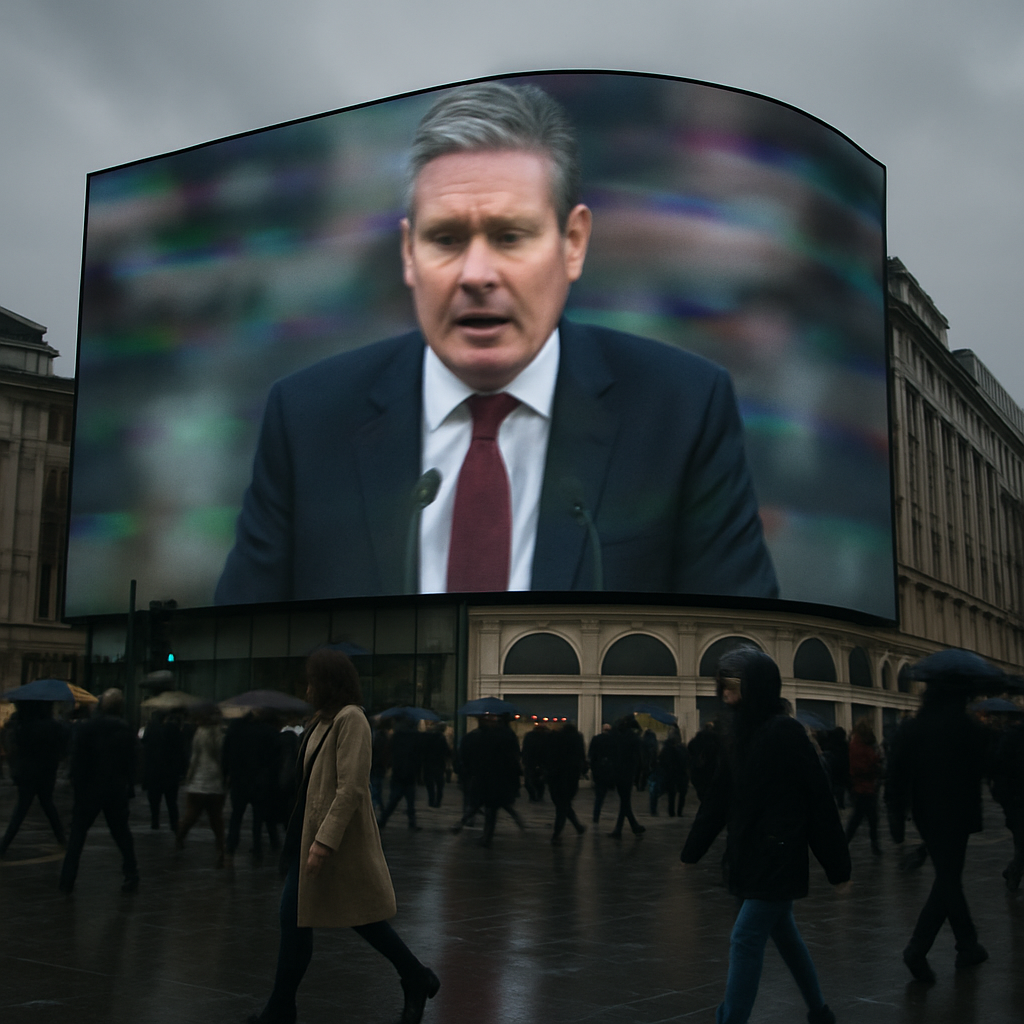
The May 2026 local council elections in England saw the first confirmed, large-scale use of deepfake video clips designed to influence voters. Clips purporting to show senior councillors making inflammatory statements circulated on WhatsApp groups and Telegram channels in the days before polling. By the time fact-checkers had published rebuttals, millions of people had already seen the originals. The Electoral Commission launched a formal review, and the results in three constituencies were contested on the grounds of electoral interference.
This is not uniquely a British problem, but Britain is no longer watching it happen elsewhere. The BBC’s Technology desk has documented a steady increase in synthetic media incidents tied to British political events since 2023. Public confidence in what politicians actually say has taken a measurable hit. YouGov polling from early 2026 found that 61% of UK adults said they were now unsure whether video clips of politicians they see online are genuine.
That number should alarm anyone who cares about how democracies function. Disinformation does not need everyone to believe a lie. It only needs enough people to doubt the truth.
What This Means for Journalism
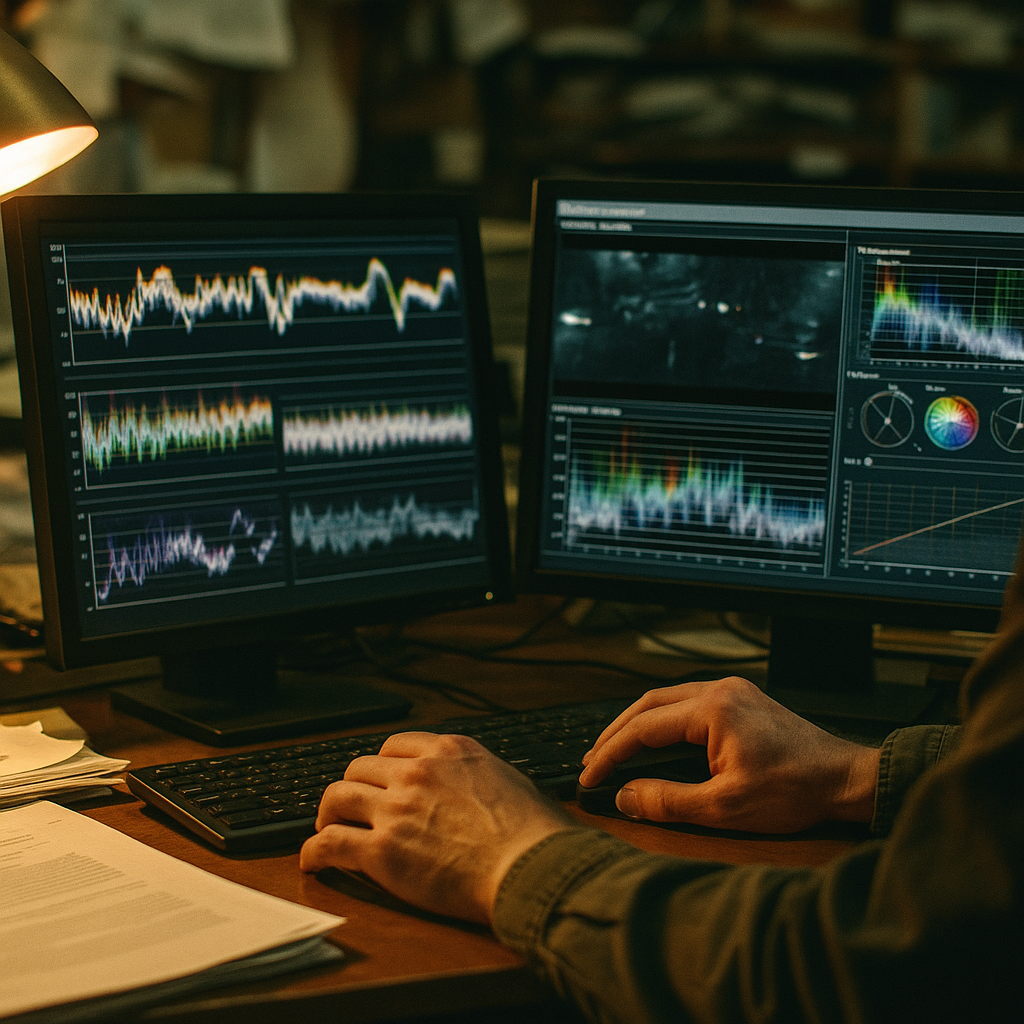
Journalists are caught in an uncomfortable position. The old verification rule, that footage from a credible source could be trusted, no longer holds unconditionally. Newsrooms now have to build in deepfake detection as a standard step in the verification process, sitting alongside the usual checks on provenance and source reliability.
Some outlets are managing this better than others. The Guardian, Channel 4 News, and the BBC have all invested in synthetic media detection tools and partnered with academic labs working on forensic analysis. Smaller regional outlets, already stretched thin after years of funding cuts, simply do not have those resources. And that disparity matters enormously. Local journalism is where the electorate gets information about the things that directly affect them: planning decisions, council budgets, NHS trust performance. If local reporting is flooded with disinformation it cannot effectively counter, the consequences reach far beyond abstract concerns about trust.
What Platforms Are Actually Doing About It
The platforms have made promises before. Meta, YouTube, and X (formerly Twitter) all have policies requiring disclosure of AI-generated content in political advertising. In practice, enforcement is patchy at best. A deepfake does not always arrive as paid advertising. It circulates organically, shared by real accounts, buried in group chats, forwarded without context.
Watermarking and content credentials, developed through the Coalition for Content Provenance and Authenticity (C2PA), are being adopted by some camera manufacturers and major platforms. The idea is to cryptographically tag authentic content at the point of creation, so any modification is detectable downstream. It is a promising framework, but adoption is slow and it solves nothing for the enormous backlog of existing unverified content already in circulation.
On deepfakes disinformation 2026 specifically, the EU’s AI Act has applied meaningful pressure on platforms operating in European markets, including the UK’s closest trading partners. The UK government’s own AI Safety Institute has published guidance but the legislative levers remain limited. The Online Safety Act 2023 created some obligations around harmful synthetic content, but critics argue the enforcement mechanisms are still not robust enough to keep pace with the technology.
What Individuals Can Do Right Now
Oli and I have talked about this a fair bit between ourselves, and the honest answer is that individual media literacy only goes so far when the fakes are genuinely indistinguishable. That said, there are habits worth building.
Slow down before sharing. Deepfake clips almost always spread fastest in the first few hours, before fact-checkers can respond. If something feels designed to provoke a strong emotional reaction, that is worth treating as a flag rather than a prompt to share immediately. Check the source. Not just the account that posted it, but whether any named news organisations are reporting the same thing. Use reverse image and video search tools. InVID and Google Lens can sometimes surface the original context for manipulated clips. And treat audio alone with particular scepticism; voice cloning is ahead of video cloning in terms of accessibility and realism.
The Bigger Picture: Is There a Way Back?
The pessimistic read is that we have already passed a point of no return. Once a significant portion of the population decides that any inconvenient video could be a deepfake, the technology does not even need to produce fakes anymore. Genuine footage can be dismissed as synthetic. That is, arguably, the more dangerous long-term outcome: not that people believe fabrications, but that they stop believing anything.
The optimistic read, and it does exist, is that society has adapted to previous information crises. The tabloid era. The era of photo manipulation. The early days of social media. None of those destroyed democracy entirely, and each produced new norms, tools, and regulations that eventually brought some order. The challenge with deepfakes disinformation 2026 is that the cycle has accelerated dramatically. The technology moves faster than institutions do.
Legislation, platform accountability, investment in public media literacy, and proper funding for independent journalism all matter. None of them alone is sufficient. But the alternative, treating this as someone else’s problem to solve, is how things genuinely get worse. The threat to democracy is not hypothetical. It is happening in real constituencies, in real elections, right now.
Frequently Asked Questions
What is a deepfake and how is it made?
A deepfake is a synthetic video, audio, or image created using artificial intelligence, typically deep learning models that have been trained on real footage of a person. Modern tools can generate convincing results from surprisingly little source material, sometimes just a short video clip or voice recording. The technology has become far more accessible since 2023, with consumer-grade applications available online.
How are deepfakes affecting UK elections?
By 2026, deepfake clips have been confirmed in UK local election campaigns, with fabricated video of politicians circulating on messaging apps before fact-checkers could respond. The Electoral Commission has reviewed several cases, and public confidence in political video content has measurably declined. The Online Safety Act 2023 created some obligations around harmful synthetic media, but enforcement remains a work in progress.
Can you tell the difference between a deepfake and a real video?
Increasingly, no. Research from the Alan Turing Institute found human reviewers identified AI-generated video correctly only about half the time. Specialist detection software performs better but is not infallible, and the gap is narrowing as generative models improve. Tools like InVID and Google reverse video search can help surface context clues, but there is no foolproof method available to ordinary viewers.
What are UK platforms and the government doing about deepfake disinformation?
The UK’s AI Safety Institute has published guidance, and the Online Safety Act places some duties on platforms around harmful synthetic content. Internationally, the C2PA watermarking standard is being adopted gradually, and the EU’s AI Act applies pressure on major platforms. Critics argue UK legislation still lacks sufficient enforcement muscle to keep pace with how quickly the technology evolves.
How can I protect myself from being misled by deepfakes?
Pause before sharing any video that provokes a strong emotional reaction, particularly around election periods. Cross-reference with established news outlets to see whether they are reporting the same claim. Use tools like InVID or Google Lens to check video provenance. Be especially cautious with audio-only clips, as voice cloning is currently among the most realistic and accessible forms of synthetic media.