
The question of whether electric vehicles would ever truly go mainstream has been debated for years, but electric vehicles 2026 might just be the moment the argument finally gets settled. Global sales figures, shifting consumer attitudes, and rapidly expanding infrastructure are all pointing in the same direction. Yet serious obstacles remain, and the gap between government ambition and everyday reality is still wider than many politicians would like to admit.
Oli and Oskar have been watching this space closely, and frankly, the picture is more nuanced than either the cheerleaders or the sceptics tend to acknowledge. So let us break it down properly.
Global EV Sales Figures: Where Things Stand Right Now
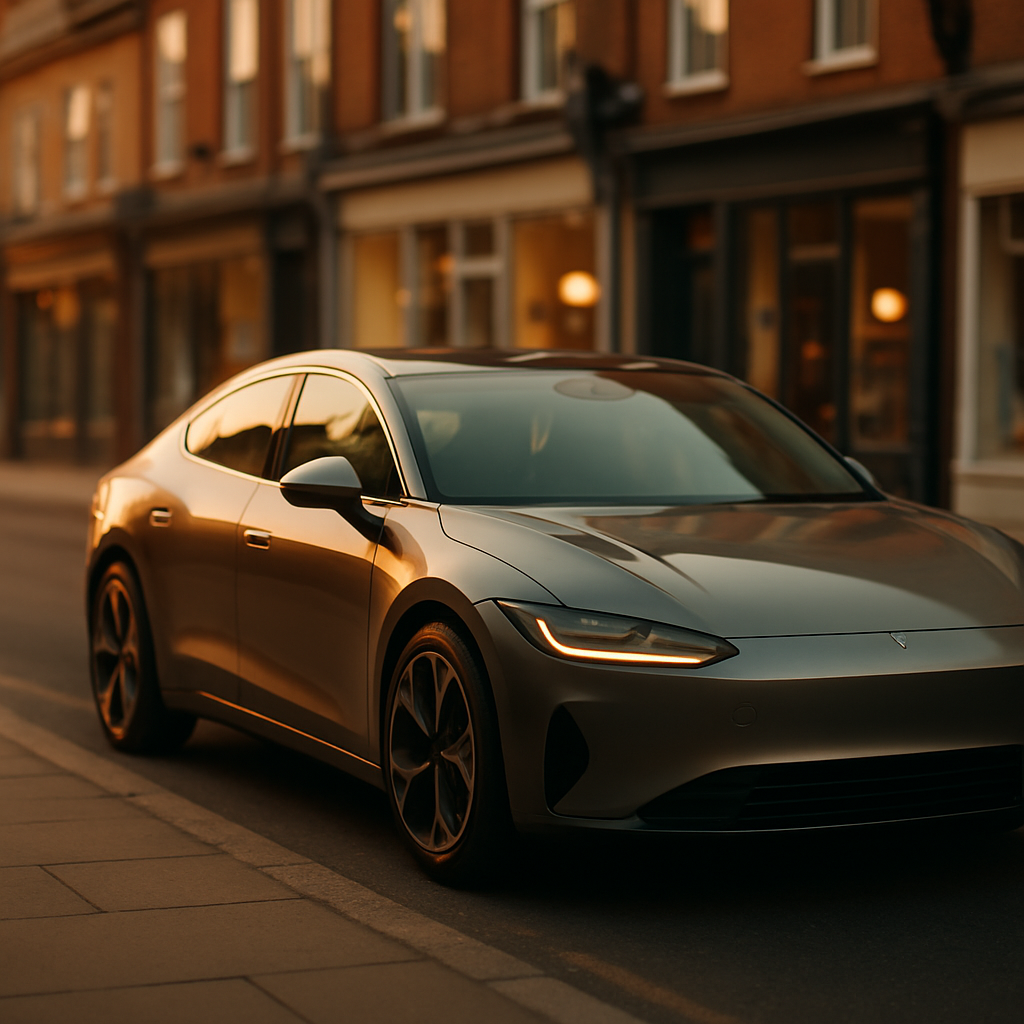
By the end of 2025, electric vehicles accounted for roughly 18 percent of all new car sales globally, up from around 14 percent the year before. China continues to dominate, with BYD alone outselling Tesla in multiple consecutive quarters. Europe has held steady despite some turbulence caused by the rollback of certain subsidies in Germany and France, while the United States saw a notable uptick driven by the ongoing impact of federal tax credits and a surge of new affordable models entering the market.
The one-billion cumulative EV milestone, counting all electric vehicles on roads worldwide, is expected to be reached sometime this year. That is a genuinely significant number, and it signals that the technology has moved well beyond early-adopter territory. But volume alone does not equal mass adoption. The real test is whether ordinary people, not just enthusiasts or high earners, are choosing electric as their default option.
Is Affordability Still the Biggest Barrier?
Cost has long been the central complaint, and it remains a legitimate one. The average price of a new electric vehicle in the UK sits around £32,000, which is still several thousand pounds more than a comparable petrol model. However, the gap is closing faster than expected. Several manufacturers, including Renault with its updated Dacia Spring and the newly launched MG4 variants, have pushed entry-level electric pricing below the £22,000 mark.
The used EV market has also matured considerably. Three and four-year-old Nissan Leafs and early Renault Zoes are now widely available for under £10,000, bringing electric motoring within reach for buyers who previously could not consider it. Battery degradation concerns, once a major deterrent, have largely been addressed by improved battery management systems and more transparent health reporting tools available through dealer networks.
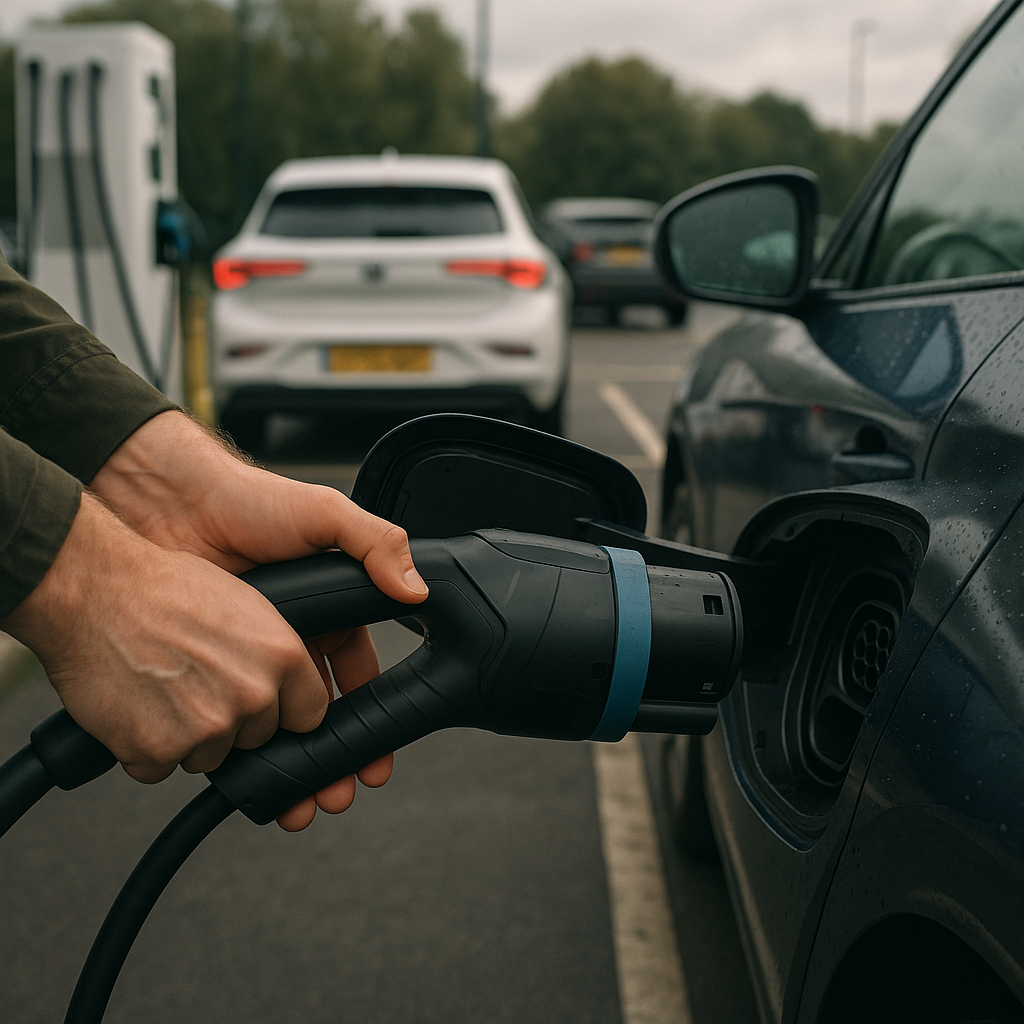
Running costs continue to favour electric, particularly for higher-mileage drivers. Home charging overnight at an off-peak tariff can bring the cost per mile to as low as 3p in parts of the UK, compared to roughly 15p per mile for a typical petrol vehicle. For anyone covering 12,000 miles or more per year, the savings over a three-year ownership period are substantial enough to offset a higher purchase price.
Charging Infrastructure: Progress, but Still Patchy
Charging infrastructure is the issue that most often derails conversations about electric vehicles 2026. The honest answer is that it depends enormously on where you live and how you travel. Urban dwellers with off-street parking and access to home chargers have a genuinely smooth experience. Rural drivers and flat-dwellers face a more complicated picture.
In the UK, the number of public charge points has grown to over 70,000 as of early 2026, a significant increase from around 50,000 two years ago. Motorway rapid charging has improved markedly, with the National Electric Vehicle Infrastructure rollout filling in many of the notorious black spots on the UK’s major routes. However, reliability remains an issue. Surveys consistently show that around 15 to 20 percent of public chargers are out of service at any given time, a figure that needs to fall dramatically before range anxiety becomes a thing of the past.
Destination charging at supermarkets, retail parks, and hotels has expanded rapidly, and this quiet revolution in everyday charging habits may prove more important than headline-grabbing motorway hubs. Being able to top up during a weekly shop changes the psychology of EV ownership in a meaningful way.
Consumer Confidence vs Government Targets: The Reality Gap
The UK government’s Zero Emission Vehicle mandate requires 80 percent of new car sales to be electric by 2030. Most independent analysts consider this target extremely ambitious given current trajectory. Consumer confidence has grown, but it has not grown that fast.
Recent polling suggests that around 42 percent of UK drivers say they would seriously consider an electric vehicle as their next purchase, up from 28 percent three years ago. That is meaningful progress. But consideration and commitment are different things, and a significant portion of those respondents cite charging access as their primary hesitation, not price or range.
Fleet and commercial buyers are moving faster than private consumers, partly because the economics make clearer sense at scale and partly because corporate sustainability commitments create internal pressure to electrify. Fleet sales now account for a growing share of total EV registrations in the UK, and this matters because fleet vehicles eventually flow into the used market, helping to accelerate broader access.
Are Electric Vehicles in 2026 Finally Ready for Everyone?
The honest verdict on electric vehicles 2026 is this: closer than ever, but not quite there yet. The technology is mature, the choice is broader than it has ever been, and the financial case is increasingly compelling for the right buyer. The infrastructure is improving at a pace that would have seemed remarkable five years ago, but it still has structural gaps that disproportionately affect those without home charging options.
What has shifted most noticeably is the conversation itself. The debate is no longer whether electric vehicles will become dominant but how quickly the remaining barriers will fall. For Oli and Oskar, that feels like a genuine tipping point, even if the final push still has a little way to go.
Frequently Asked Questions
What percentage of new cars sold in 2026 are electric?
Globally, electric vehicles accounted for around 18 percent of new car sales by the end of 2025, with that figure expected to rise further through 2026. The share varies significantly by region, with China leading, followed by Europe, and then the United States.
How much does a new electric car cost in the UK in 2026?
The average new electric vehicle in the UK costs around £32,000, though entry-level models from brands like MG and Dacia are available below £22,000. The used EV market has also grown substantially, with older models available from under £10,000.
How many public EV charging points are there in the UK?
The UK had over 70,000 public charge points by early 2026, a significant increase from around 50,000 two years prior. Motorway coverage has improved considerably, though reliability remains a concern with around 15 to 20 percent of chargers out of service at any given time.
Is range anxiety still a real problem with electric vehicles?
Range anxiety has reduced considerably as modern EVs offer 250 to 350 miles of real-world range and charging infrastructure has expanded. However, for drivers without home charging access or those in rural areas, finding a reliable public charger at short notice can still be a genuine concern.
Will the UK hit its 2030 electric vehicle targets?
Most independent analysts consider the UK’s target of 80 percent electric new car sales by 2030 to be very ambitious given current adoption rates. Progress is real but the pace of growth in consumer uptake and charging infrastructure would need to accelerate significantly to meet that deadline.