
Ofwat’s latest price review handed water companies something close to a blank cheque. Thames Water, Severn Trent, Anglian and the rest were collectively granted over £100 billion in capital investment to fix crumbling pipes, overflowing sewers and inadequate treatment capacity over the next five years. The money is real, the need is genuine, and nobody seriously disputes that England’s water infrastructure is in a poor state. What’s becoming increasingly clear, though, is that the question of where all this infrastructure actually gets built is turning into one of the messiest planning fights the country has seen in years.
I’ve been following this closely, and the pattern is striking. Across the south-east, the Midlands and East Anglia in particular, water companies are proposing new and expanded sewage treatment works on green belt land and agricultural fields. Local councils are pushing back. Planning inspectors are overruling them. And communities that thought the green belt was a firm line on a map are discovering it’s considerably more flexible than they were led to believe.
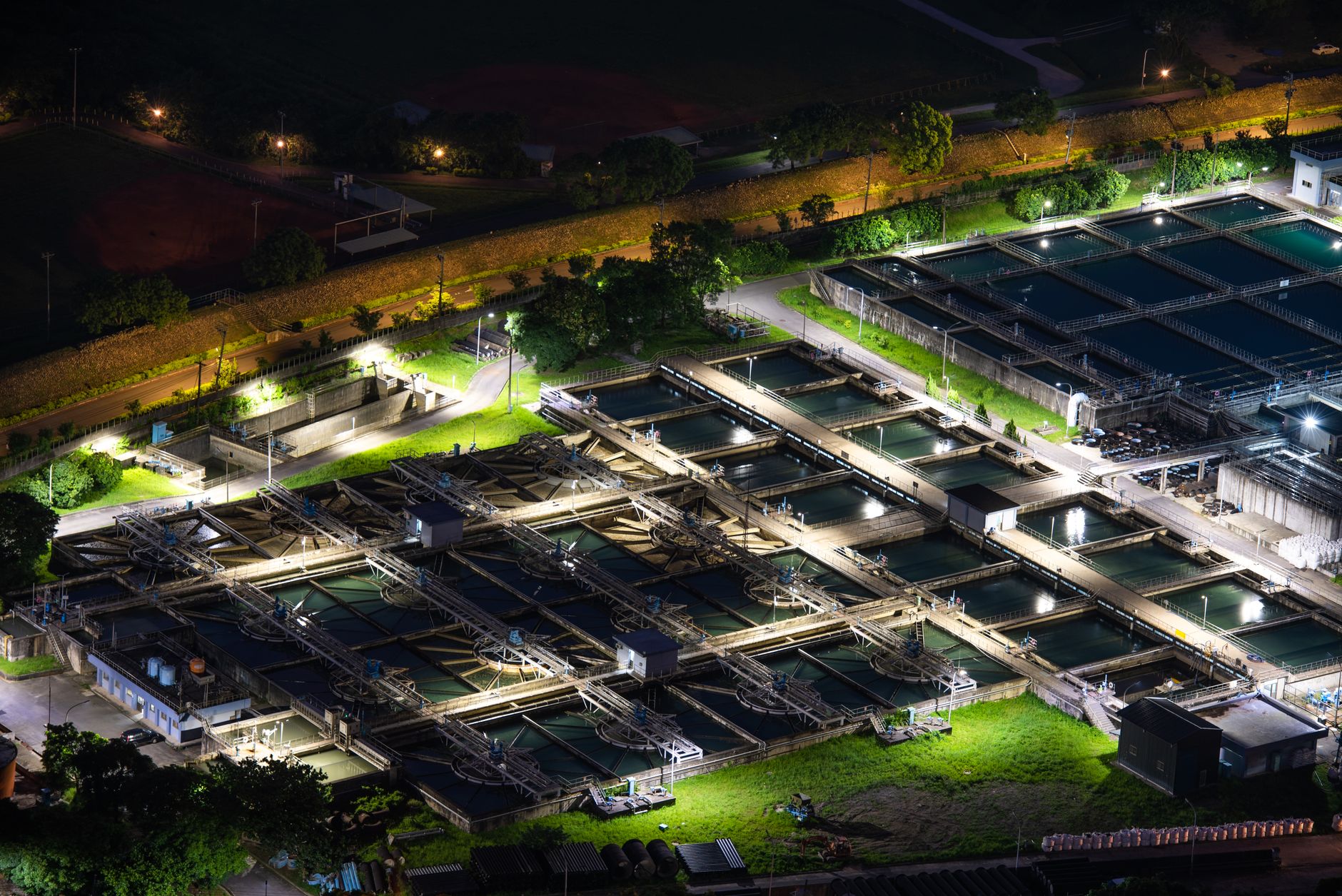
What Ofwat’s investment approval actually means on the ground
Ofwat sets the amount water companies can charge customers and, by extension, how much capital they can raise for infrastructure. The PR24 price review, which covers 2025 to 2030, approved the largest investment package in the sector’s history. Thames Water alone has permission to spend around £19 billion. Anglian Water, which serves a region with significant housing growth pressure and an already stretched water table, got approval for billions more.
The logic is straightforward enough. England’s sewage network was largely built in the Victorian era. Combined sewer overflows, the outlets that dump untreated sewage into rivers when capacity is exceeded, have become a national scandal. The BBC’s ongoing reporting on river pollution has made this a genuinely mainstream political issue. So water companies need to build things. Big things. Tanks, treatment works, pumping stations, storage facilities.
The problem is that the most logical sites from an engineering perspective, flat land near watercourses, often away from existing industrial zones, frequently turns out to be green belt or agricultural land. And that’s where the rows start.
Green belt vs essential infrastructure: who wins?
Planning policy in England does allow for development on the green belt in what are called “very special circumstances.” The National Planning Policy Framework lists water infrastructure as potentially falling into this category, but it’s not automatic. Local planning authorities still scrutinise applications, and in many cases they’ve refused them, only to be overturned on appeal.
I find this genuinely troubling. There’s something uncomfortable about the fact that a water company can get a decision reversed through the Planning Inspectorate when a local council says no, but a housing developer faces the same route and tends to get far more public sympathy for the community objectors. The infrastructure gets built either way, but the communities don’t have meaningful recourse.
In Hertfordshire, residents near one proposed sewage treatment expansion spent the better part of two years fighting an application, citing visual impact, odour, and loss of productive farmland. The inspector’s decision largely sided with the water company on grounds of infrastructure need. Similar battles have played out in Oxfordshire, Suffolk, and parts of Leicestershire.
What’s making these disputes sharper right now is timing. The Ofwat approvals have created a surge in planning applications from water companies who, understandably, want to get spades in the ground. They’re under regulatory pressure to deliver. That means the volume of these applications is higher than it’s been in a generation, and planning departments, already under-resourced, are having to process them quickly.
The agricultural land question nobody wants to answer
Alongside the green belt argument sits a quieter but equally important concern: the loss of grade one and grade two agricultural land. England has a limited supply of its best farmland, and the government’s own stated position is that it should be protected. DEFRA has long-standing guidance on this. But sewage treatment works are large, permanent, and effectively sterilise land for any other use indefinitely.
Farmers are caught in an odd position. Some are willing sellers, particularly given the financial pressure many have faced since post-Brexit subsidy changes came into effect. Others feel the compulsory purchase threat, even if not formally invoked, creates a one-sided negotiation. Either way, once a treatment works is built, that field isn’t coming back into food production.
It’s worth noting the broader context here. The planning permission paralysis gripping residential development doesn’t seem to apply with the same force to utility infrastructure. Water companies have statutory undertaker status, which grants them certain powers and a degree of planning priority that private housebuilders don’t have. That disparity is not lost on communities who’ve watched housing applications fail on green belt grounds while a treatment works gets waved through.
Who actually controls England’s planning system?
The honest answer is: it’s complicated, and that complexity is part of the problem. Local planning authorities make initial decisions. The Planning Inspectorate handles appeals. Nationally Significant Infrastructure Projects above certain thresholds go through the Development Consent Order process, which bypasses local planning entirely and sits with the Secretary of State for Energy Security and Net Zero. Water companies know the system well and are adept at choosing the route most likely to get them a yes.
This isn’t necessarily corrupt or even particularly cynical. The companies are under regulatory and legal obligations to deliver infrastructure. If they don’t, they face fines, special administration and the possibility of that £100 billion investment being clawed back. But it does mean that local democratic objection has limited teeth when set against a statutory duty.
Oli and I were talking about this last week and I made the point that the conversation feels similar to debates about other essential infrastructure, power lines, mobile masts, reservoirs, where nobody disputes the need in the abstract but everyone disputes the specific location. The difference with water infrastructure right now is the sheer scale of investment pressing down on a planning system that simply wasn’t built to process it at this speed.
The issue also connects to broader failures in how England manages its water supply. Water stress is quietly affecting all sorts of industries, and the lack of new reservoir capacity over the past three decades has made the pressure on existing treatment works worse than it needed to be. Building more treatment capacity is partly a consequence of building almost nothing for twenty years.
What communities can actually do
Objections do occasionally succeed. Where communities have been most effective is in forcing design modifications rather than outright refusals, pushing for better screening, reduced visual footprint, odour controls, and biodiversity net gain requirements. Some water companies have engaged reasonably well with this process; others have treated it as an obstacle.
The other lever is political. MPs in affected areas have raised this in the Commons, and the connection between water infrastructure on green belt land and the government’s housebuilding agenda creates an awkward tension for ministers who’ve made planning reform a centrepiece of their programme. The question of which infrastructure gets special treatment and why is one that is going to come up repeatedly as the energy transition and water resilience programmes both accelerate.
My read on this is that England is heading for a reckoning. The planning system was designed for a slower pace of infrastructure decision-making. Ofwat’s approvals have changed that. Unless there’s a clearer national framework for where essential water infrastructure can and cannot go, with genuine community input built in rather than bolted on as an afterthought, these battles are going to multiply. And the communities on the losing end will have every right to feel that the system wasn’t designed with them in mind.