The numbers are stark. Rising mental health diagnoses are no longer a quiet undercurrent in public health reporting; they are the headline. Across the UK, Europe, and much of the developed world, rates of anxiety, depression, and related conditions have climbed to levels that were almost unimaginable a decade ago. The World Health Organisation estimates that more than one billion people globally are now living with some form of mental health condition. That is not a rounding error. That is a structural shift in how human beings are experiencing daily life.
The question worth asking is not simply “why are people struggling more?” It is whether the systems built to help them have any realistic chance of keeping up. Spoiler: the answer is complicated, and not particularly reassuring.

What the Data Actually Shows
In England alone, NHS Digital data shows that one in four adults experiences a diagnosable mental health problem in any given year. Referrals to NHS talking therapies exceeded 1.2 million in 2025, and waiting lists for specialist services continue to stretch beyond what most people would consider acceptable. Younger people are disproportionately affected: rates of anxiety and depression among 16 to 24-year-olds have more than doubled since 2000, according to figures from the ONS well-being data series.
Globally, the picture is similarly troubling. The WHO reports a 25 per cent increase in anxiety and depression since 2020, much of it triggered initially by the pandemic but now sustained by a broader set of pressures. Low- and middle-income countries are particularly exposed, given that around 75 per cent of people with mental health conditions in those nations receive no treatment at all.
What Is Actually Driving This Surge
There is no single cause. That is precisely what makes this so difficult to address. Several forces have converged at the same time, and they are not all pulling in the same direction.
Economic pressure is a significant factor. After years of inflation, squeezed wages, and housing insecurity, the psychological toll of financial stress has compounded. Research consistently links financial precarity to heightened anxiety, and 2026 is not, for most households, a year of relief. The link between money worries and mental health is not new, but its current scale is. When people cannot afford heating or decent food, their mental health suffers. It really is that direct.
Social fragmentation is another driver. Communities have thinned out. High streets have changed. Loneliness, once treated as a niche issue affecting the elderly, now cuts across all age groups. A significant portion of young adults in the UK report feeling chronically isolated despite being more digitally connected than any generation before them. The irony is not lost on anyone paying attention.
Social media deserves its own paragraph, though perhaps not in the way the discourse usually frames it. The research is more nuanced than “Instagram causes depression.” What the evidence does suggest is that certain patterns of use, particularly passive scrolling, social comparison, and exposure to distressing news content, correlate with worse mental health outcomes. The sheer volume of global catastrophe that arrives on a phone screen every morning is a relatively recent phenomenon, and the human brain has not adapted to it.
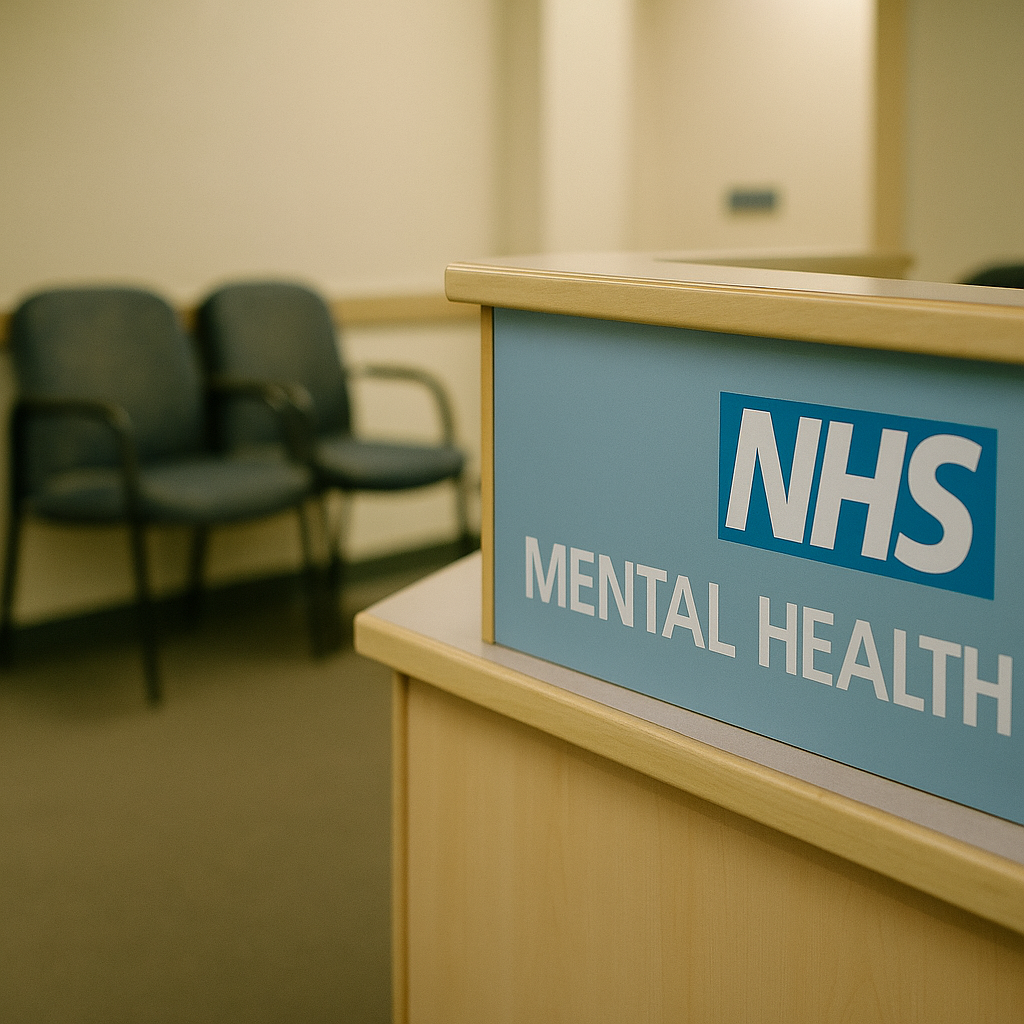
Is the Healthcare System Close to Meeting Demand
Bluntly, no. Not in the UK, and not in most comparable countries either.
The NHS has invested in expanding talking therapies, and services like IAPT (Improving Access to Psychological Therapies) have helped many people. But the demand consistently outstrips capacity. In many areas, waiting times for cognitive behavioural therapy run to six months or longer. For more complex conditions such as personality disorders or severe PTSD, specialist services are often genuinely inaccessible to anyone without significant means or exceptional persistence.
Private therapy has grown substantially to fill the gap, but it sits well beyond the budget of many people. Sessions typically cost between £50 and £100 per hour in most UK cities. That is not a realistic option for someone on a median wage managing a mortgage, rising energy bills, and possibly caring for children or elderly relatives.
There is also a structural problem with how mental health sits within broader healthcare systems. Oli and I were talking about this recently, and the point that kept coming up is that mental health services have historically been underfunded relative to physical health, treated as separate rather than integrated, and chronically short of trained staff. The NHS mental health workforce is growing, but the training pipeline for psychiatrists, clinical psychologists, and specialist nurses takes years. The recruitment and retention problems are real.
The Economic Cost Nobody Talks About Enough
Poor mental health costs the UK economy an estimated £118 billion per year, according to a 2025 analysis by the Centre for Mental Health. That figure accounts for lost productivity, healthcare costs, and welfare spending. For context, that is more than the entire NHS budget for England. The economic argument for investing heavily in mental health services is not charitable; it is rational. And yet the investment has never matched the scale of the problem.
Employers are slowly waking up. Workplace mental health policies are more common than they were five years ago. Apps, employee assistance programmes, and mental health days have proliferated. Some of it is genuinely useful. Some of it is performative. The distinction matters, and most workers can tell the difference.
Technology, Self-Help, and What Fills the Gap
In the absence of sufficient professional support, people are finding other ways to manage. Mindfulness apps, online communities, peer support groups, and lifestyle changes play a real role for many. None of them are a substitute for clinical treatment when it is genuinely needed, but they are not nothing either.
The broader wellness economy has expanded accordingly. People are thinking more carefully about sleep, exercise, diet, and their daily environments. Even small lifestyle decisions, like stepping away from the phone for an hour, taking a proper lunch break, or downloading a free uk shopping app to take the stress out of budgeting and high street shopping, can reduce friction and anxiety at the margins. These are not cures. But they are part of how people are coping.
Where Does This Go From Here
Rising mental health diagnoses are not going to reverse themselves without sustained, deliberate action. The causes are systemic and the solutions need to be proportionate. That means sustained public funding, better integration of mental and physical healthcare, earlier intervention in schools, and genuine attention to the social conditions that drive poor mental health in the first place.
There are glimmers of progress. Awareness has never been higher, and the stigma around seeking help has genuinely reduced, particularly among younger people. That matters. But awareness without accessible treatment is just a nicer way of watching people struggle.
The scale of this moment deserves to be taken seriously. One billion people living with mental health conditions is not a statistic to scroll past. It is a global emergency that happens to be very quiet, very underfunded, and very easy to keep ignoring until it lands on your doorstep.
Frequently Asked Questions
Why are mental health diagnoses increasing so rapidly?
A combination of economic pressure, social isolation, social media use, and residual effects of the pandemic have driven rising mental health diagnoses across all age groups. Greater awareness and reduced stigma have also made more people willing to seek a diagnosis, which contributes to the statistical increase.
How long is the NHS waiting list for mental health treatment?
Waiting times vary significantly by region and type of service. For NHS talking therapies, many areas report waits of three to six months. Specialist services for complex conditions such as PTSD or eating disorders can involve waits of a year or more in some parts of England.
Which age group is most affected by rising anxiety and depression rates?
Young people aged 16 to 24 have seen the sharpest increases, with rates of anxiety and depression more than doubling since 2000 according to ONS data. However, the rise spans all demographics, including working-age adults and older populations experiencing loneliness and financial stress.
Is social media actually causing the mental health crisis?
The evidence is more nuanced than a direct causal link. Research suggests certain patterns of use, particularly passive scrolling and social comparison, correlate with poorer mental health outcomes. Heavy exposure to distressing news content also plays a role, though individual responses vary considerably.
What can someone do if they cannot access NHS mental health support quickly?
Charities such as Mind, Samaritans, and Rethink Mental Illness offer free support and helplines. GP referrals remain the main NHS route, and self-referral to IAPT (Improving Access to Psychological Therapies) services is available in many areas. Community peer support groups and evidence-based self-help resources can also provide meaningful interim support.