Something shifted in the last year or so, and it’s hard to pinpoint the exact moment it happened. It wasn’t one viral video or one particularly damaging audio clip. It was a slow, creeping realisation that you genuinely cannot trust what you see and hear anymore. Deepfake disinformation in 2026 isn’t a niche tech concern or a theoretical problem for some future version of society. It is happening right now, at scale, and the tools to create it are freely available to anyone with a laptop and an afternoon to spare.
Oli and I have been watching this space for a while, and honestly, the pace of change is staggering. What used to require a Hollywood-level production budget can now be knocked together in under an hour using open-source software. The results are sometimes shaky, yes. But increasingly, they’re not. And that’s where things get genuinely alarming.
What Deepfake Disinformation Actually Looks Like in 2026
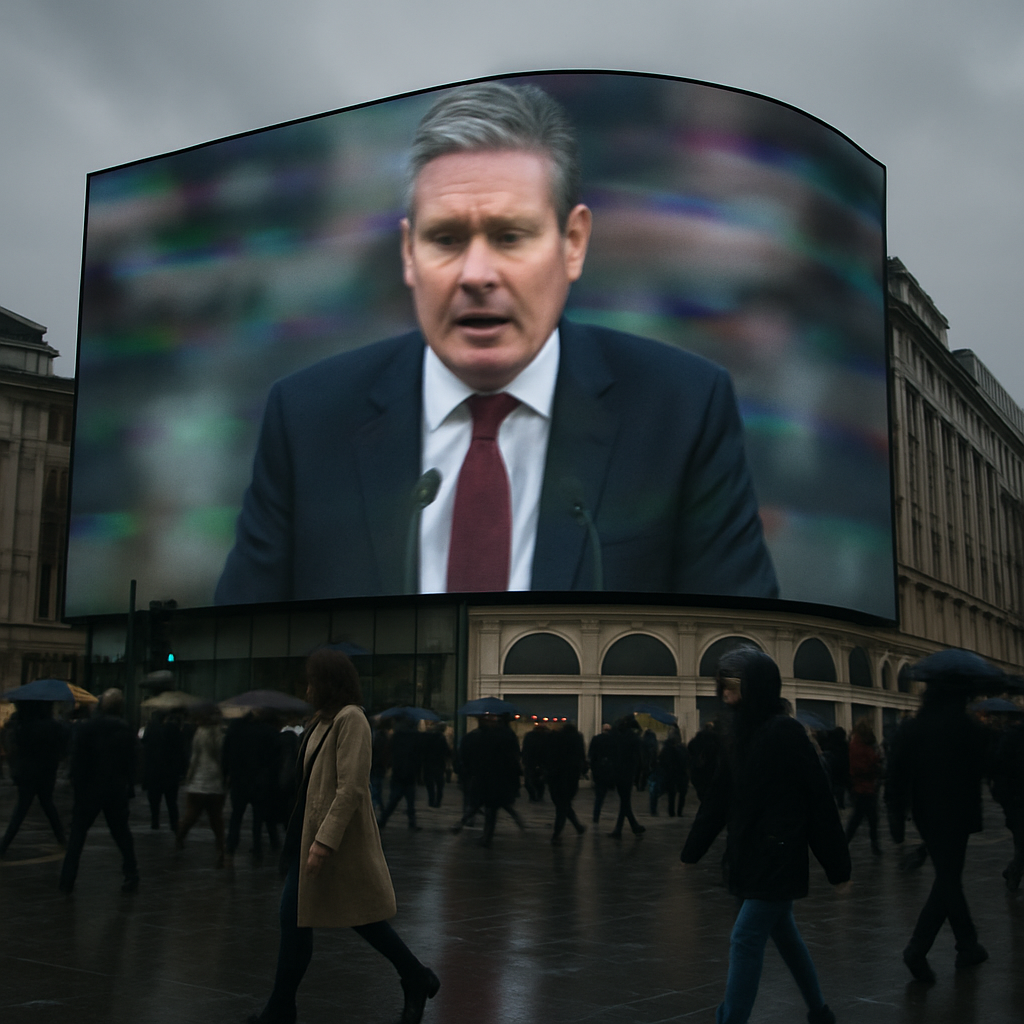
The classic examples people think of are political: a fabricated video of a world leader saying something incendiary, or a fake audio clip of a candidate making a damning admission days before a vote. We’ve seen versions of this across elections in Slovakia, Taiwan, and the UK’s own local council contests. But deepfake disinformation in 2026 has moved well beyond that. Synthetic media is now used to impersonate business executives, manipulate financial markets, generate fake protest footage, and fabricate witness testimony.
In the UK, the Online Safety Act 2023 gave Ofcom new powers to tackle harmful content, including provisions around synthetic media. But enforcement is slow, and the technology evolves faster than any regulatory framework can keep up with. By the time a platform removes a deepfake, it has often already been viewed millions of times, screenshotted, and shared across private messaging apps where no moderation exists whatsoever.
The really insidious shift is that deepfakes don’t even need to be believed to cause damage. Researchers call this the liar’s dividend: the idea that once people accept deepfakes exist, real footage can be dismissed as fake. A genuine video of wrongdoing becomes deniable. Authentic audio becomes a fabrication. Truth itself becomes negotiable.
Who Is Making This Content and Why
State actors are the headline concern, and rightly so. Russian and Chinese influence operations have been documented using synthetic media to interfere in elections across Europe. But the honest picture is more complicated. A significant proportion of deepfake disinformation comes from domestic actors: political operatives, fringe groups, attention-seeking individuals, and in some cases, entirely commercial enterprises that profit from outrage traffic.
There’s also a growing ecosystem of mercenary disinformation outfits that operate much like PR agencies, offering synthetic media campaigns for hire. Some are based in eastern Europe, others in south-east Asia, and some, uncomfortably, in Western countries including the UK. The BBC’s technology desk has reported repeatedly on the professionalisation of influence operations, and what emerges is a picture of an industry that has quietly matured while the public conversation remains stuck on hypotheticals.
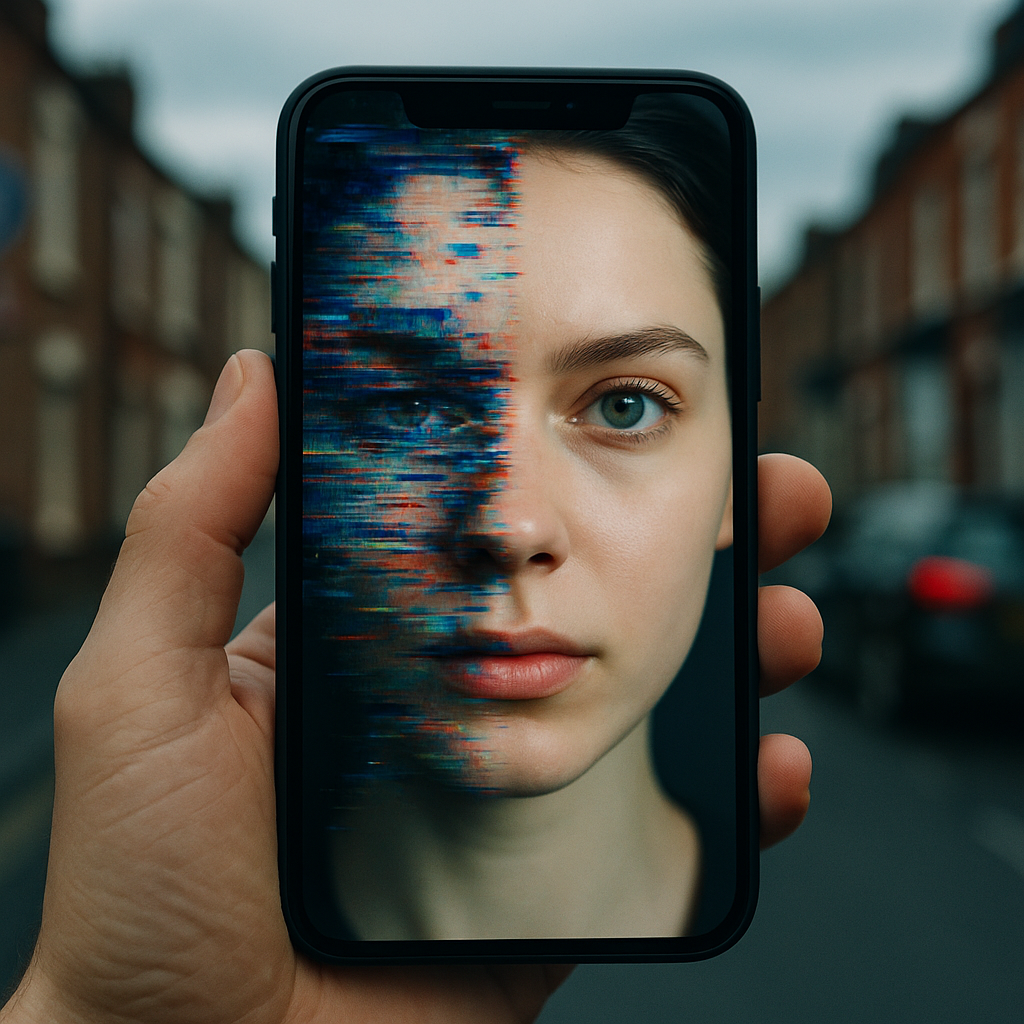
Are the Platforms Actually Doing Anything?
The honest answer is: a bit, but nowhere near enough. Meta, YouTube, and X (formerly Twitter) all have policies prohibiting synthetic media designed to deceive. In practice, these policies are applied inconsistently, enforcement relies heavily on user reports, and the volume of content is simply too vast for human moderation to handle. Automated detection tools exist, but they’re locked in a perpetual arms race with the generation tools. Each improvement in detection prompts a corresponding improvement in generation.
Google DeepMind has published research on watermarking AI-generated content, and there’s an industry-wide push toward something called Content Credentials, essentially a kind of provenance standard for digital media. The Coalition for Content Provenance and Authenticity (C2PA) has major tech companies signed up. Whether it actually reaches consumers in a meaningful way is another question entirely.
What’s genuinely frustrating is that the platforms have the data, the engineers, and the financial resources to do far more. They have chosen, repeatedly, to prioritise engagement over accuracy. Outrage content performs. Nuanced corrections do not. Until that economic incentive changes, the problem isn’t going away.
What the UK Government Is Actually Doing
The Online Safety Act placed new duties on platforms to address disinformation, and Ofcom has been developing codes of practice that will require larger platforms to assess and mitigate the risks posed by synthetic media. The Electoral Commission has also updated its guidance around digital campaigning ahead of future elections, acknowledging that AI-generated content poses a specific threat to democratic integrity.
But there are gaps. The UK has no standalone deepfakes law, though the Criminal Justice Bill has included provisions around non-consensual intimate deepfake images, which is an important but narrow slice of the problem. Political deepfakes, financial fraud via synthetic media, and state-sponsored disinformation remain addressed only obliquely through existing legislation. Critics argue this isn’t good enough, and I’d be inclined to agree.
Media literacy is the other piece of the puzzle that tends to get mentioned in government reports and then quietly deprioritised when budgets are allocated. Teaching people to interrogate what they see online is unglamorous work. It doesn’t generate headlines or tech investment. But it might, over time, be more durable than any detection algorithm.
Can You Tell the Difference Anymore?
Sometimes, yes. There are still telltale signs: unnatural blinking, distorted teeth, audio that doesn’t quite sync, lighting that behaves oddly around hairlines. But the margin is narrowing rapidly. In 2024, researchers at University College London found that human accuracy in distinguishing real from synthetic speech had dropped to barely above chance. That research has only become more relevant as the tools have improved further.
The practical advice remains consistent even if it feels insufficient: slow down before sharing, check the original source, look for coverage from established outlets, and treat anything that feels designed to provoke an immediate emotional reaction with particular scepticism. That’s not paranoia. That’s just basic information hygiene in 2026.
Deepfake disinformation isn’t a future threat. It’s the present reality. The question is no longer whether synthetic media can deceive people at scale. We know it can. The question now is whether the institutions we rely on, governments, platforms, broadcasters, schools, are willing to treat that seriously enough to actually change something. So far, the answer has mostly been: not quite. Oskar and I will keep an eye on it. Someone has to.
Frequently Asked Questions
What is deepfake disinformation and how does it work?
Deepfake disinformation refers to synthetic media, video, audio, or images generated by AI to convincingly impersonate real people or fabricate events. It works by training machine learning models on existing footage of a person, then generating new content that mimics their voice, face, and mannerisms with increasing accuracy.
Is creating or sharing deepfakes illegal in the UK?
The UK has introduced legislation targeting non-consensual intimate deepfake images under the Criminal Justice Bill, making their creation a criminal offence. However, political deepfakes and general synthetic disinformation remain addressed only indirectly through the Online Safety Act and existing fraud or harassment laws.
How can I spot a deepfake video?
Common signs include unnatural blinking or eye movement, blurred or warped teeth, slightly mismatched lip sync, and unusual lighting around the face and hairline. However, as the technology improves, these cues are becoming harder to spot, and even trained researchers now struggle to identify high-quality synthetic media reliably.
What are platforms like YouTube and Meta doing about deepfake disinformation in 2026?
The major platforms have policies prohibiting deceptive synthetic media and use automated detection tools to flag content. In practice, enforcement is inconsistent and reactive rather than preventative. Initiatives like the C2PA content provenance standard aim to help, but widespread consumer adoption remains limited.
What is the liar's dividend in the context of deepfakes?
The liar’s dividend describes the paradox where the widespread awareness of deepfakes allows bad actors to dismiss genuine, authentic footage as fabricated. Even real evidence of wrongdoing can be waved away as a deepfake, which means synthetic media threatens truth even when it isn’t directly used to deceive.