
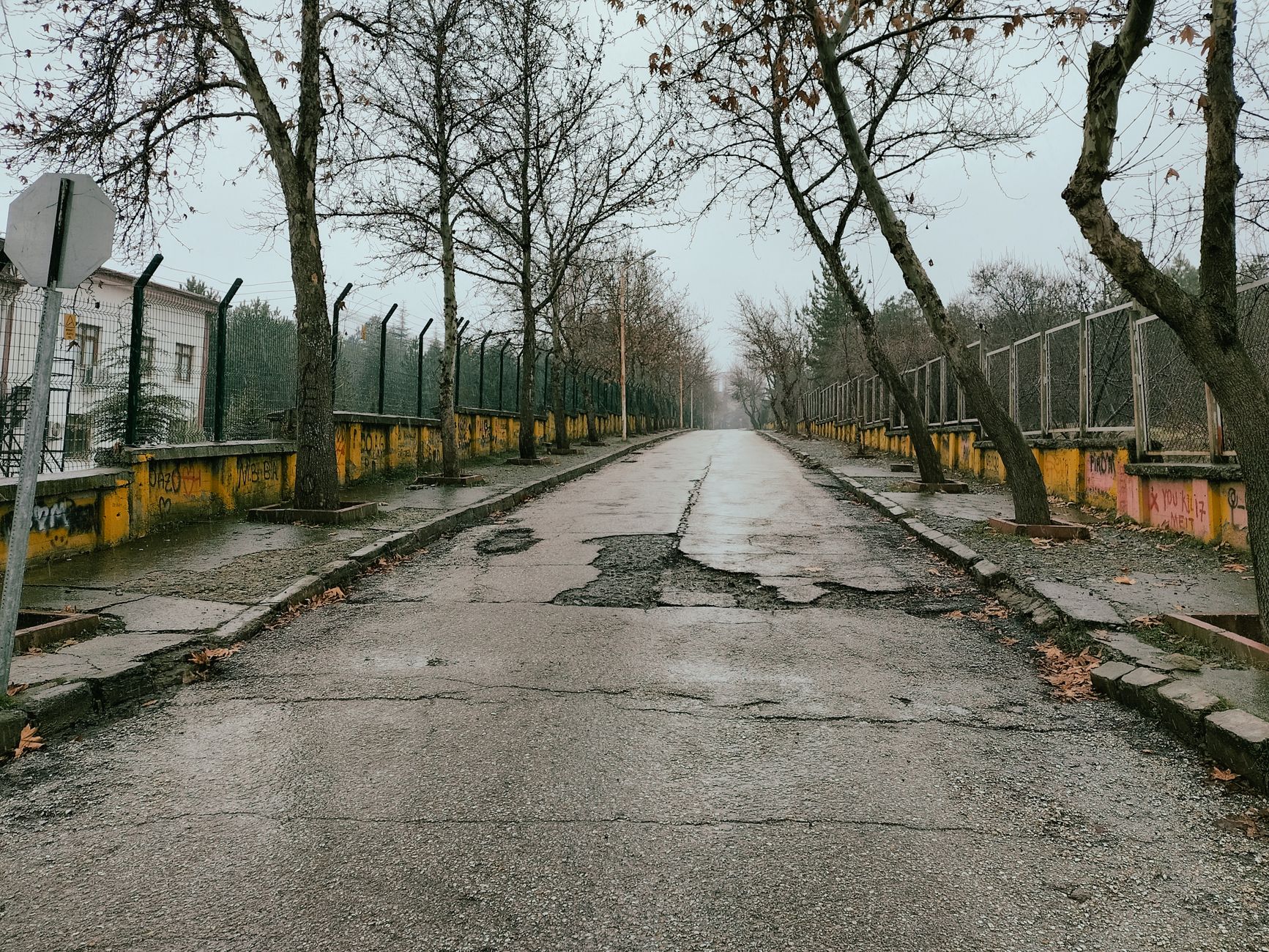
There is a particular British ritual that happens every autumn, without fail. The temperature drops, the rain comes sideways, and somewhere between October and March the road outside your house quietly falls apart. A crack becomes a dip, a dip becomes a crater, and by February you are swerving around something that could genuinely swallow a car tyre. I have driven this country extensively and I have never once thought: these roads feel well-maintained. The road repair backlog in this country is not a new problem. But the scale of it, in 2026, has become genuinely extraordinary.
The Asphalt Industry Alliance, which publishes its Annual Local Authority Road Maintenance survey every year, estimated in its most recent report that it would cost over £16 billion to clear the backlog of road repairs across England and Wales. That figure is not a misprint. Sixteen billion pounds. And it has been rising steadily for years, because councils are spending less on roads each year than the roads lose in condition. You cannot patch your way out of that arithmetic.
Why council highways budgets have been gutted
Local authorities are legally responsible for most of the roads we actually drive on day to day. Motorways and major A-roads sit with National Highways, but the vast majority of the network, the B-roads, the residential streets, the country lanes, falls to county and unitary councils. And those councils have been squeezed relentlessly since 2010. The Local Government Association has repeatedly made the point that highways maintenance is one of the first budgets to get trimmed when councils face financial pressure, partly because the consequences are slow-moving and diffuse. Nobody notices the pothole that hasn’t formed yet.
What they do notice is the one that damages their car. The RAC reported that pothole-related breakdowns hit record levels in 2023, with the problem persisting into 2024 and 2025. Vehicle suspension damage, buckled alloys, blown tyres: the AA estimates that potholes cost British drivers around £3 billion a year in repairs and insurance claims. That is an enormous transfer of cost from public infrastructure budgets onto private citizens. And unlike the captive pricing you encounter at a motorway service station, this one you cannot choose to avoid. You just have to drive on the roads.
How does Britain compare to the rest of Europe?
Germany, France and the Netherlands all score considerably higher than the UK in the World Economic Forum’s infrastructure quality indices. France in particular maintains a road network that feels like a different planet compared to, say, the A47 through Fenland in February. Some of that is down to climate: freeze-thaw cycles in the UK are brutal on asphalt, and British winters are wet enough to accelerate surface degradation significantly faster than drier continental climates. But climate is not the whole story.
Germany invests roughly twice as much per kilometre of road as England does, when you account for the full network. The Dutch have adopted a long-term infrastructure investment model that treats roads as assets requiring sustained capital expenditure, rather than recurring costs to be managed down. Britain, by contrast, has cycled through short-term patching regimes for decades. Reactive maintenance, the kind where you fill the hole after it forms rather than resurfacing before it does, is significantly more expensive per square metre in the long run. Every highways engineer knows this. Every council knows this. And yet here we are.
The postcode lottery of road quality
Not all councils are equally badly off. Surrey, which has a relatively well-funded highways department and a large council tax base, maintains roads to a noticeably higher standard than, say, parts of County Durham or rural Lincolnshire. The disparity between well-resourced southern English counties and underfunded northern and rural councils is striking. A stretch of road in the Cotswolds is likely to be in considerably better condition than the equivalent route through County Durham, not because Durham’s engineers are worse, but because they have less money to spend per kilometre.
This postcode lottery mirrors problems we have documented elsewhere on this blog, from NHS dentistry deserts to serious violence concentrating in towns that get the least resource. The pattern is consistent: the places that most need investment are the ones least likely to get it, because funding models tend to follow existing economic activity rather than need.
The government’s Pothole Fund, which has been topped up and re-announced several times under successive administrations, sounds more substantial than it is when you spread it across the entire English road network. The 2026 allocation, whilst welcome, amounts to roughly £1.60 per square metre of local road surface when distributed across the network. That does not go far when a full resurfacing job costs between £50 and £80 per square metre.
What it actually costs to fix a road properly
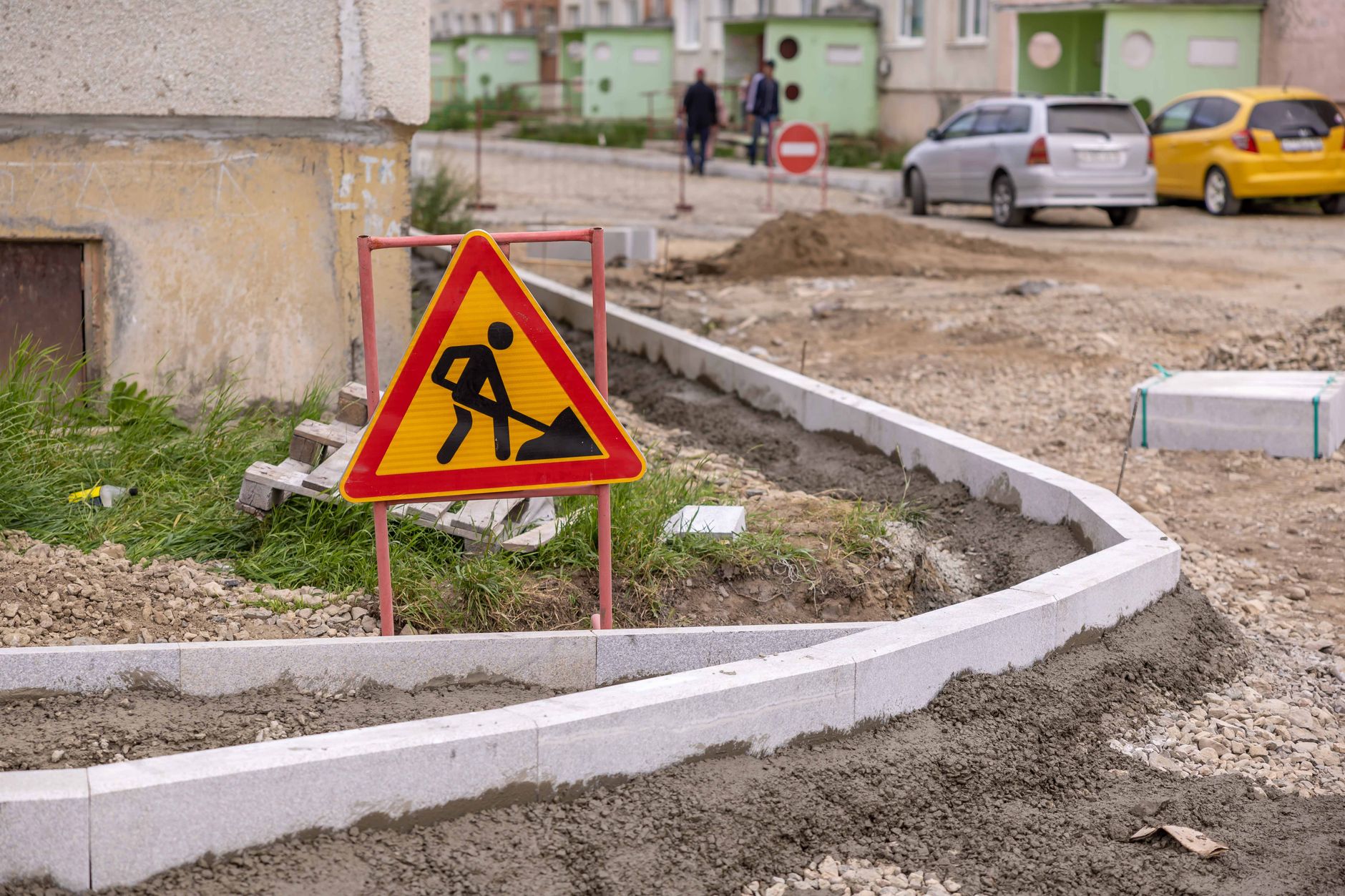
There is a meaningful difference between filling a pothole and fixing the road. A temporary cold-mix patch, the kind most councils use for reactive maintenance, costs perhaps £50 to £100 per hole but typically lasts less than a year in British weather. A proper structural repair involves cutting back the damaged area, clearing out the base, and laying hot-mix asphalt in layers, which is four or five times more expensive but lasts a decade or more. Full carriageway resurfacing costs in the region of £500,000 per kilometre for a standard two-lane rural road.
The maths of under-investment is brutal. Every year a council defers resurfacing, the road degrades further, the base gets waterlogged, and the eventual repair bill grows. What might have been a £200,000 preventative resurfacing job in 2020 can easily become a £600,000 structural reconstruction job by 2026. It is the same logic that applies to any neglected infrastructure, whether that is a leaking roof, a corroded boiler, or a TV aerial left unserviced for twenty years until the signal fails entirely. The team at tv-aerials.co.uk would probably put it plainly: catching the problem early is always cheaper than dealing with the failure.
Can road pricing actually fix this?
There is a revenue problem lurking underneath the maintenance crisis that does not get enough attention. Fuel duty, which has historically contributed to road maintenance budgets, is in long-term decline as the UK vehicle fleet electrifies. By 2035, petrol and diesel car sales will have been banned for two years, and the transition to electric vehicles, while welcome for emissions, strips out a substantial tax stream. The government’s own review of motoring taxation has acknowledged that a replacement mechanism will be needed, with road pricing the most discussed option.
Road pricing, done properly, could both fund infrastructure and distribute usage more efficiently, reducing congestion on the most deteriorated routes. But the politics of it are toxic. Telling British drivers, who already feel they pay enormous sums in fuel duty and VED, that they will now pay per mile is not a vote-winner. The government has moved cautiously, and the reform debate continues to circle without landing.
My honest read of the situation is that Britain will not fix its road repair backlog without either a significant increase in dedicated local highways funding or a wholesale reform of motoring taxation that actually hypothecates revenue to road maintenance. Neither seems imminent. In the meantime, councils will keep patching, potholes will keep forming, and drivers will keep sending insurance claims to their local highways authority at a rate that itself costs the public purse millions in administration every year. It is not a system anyone would design. It is a system nobody has had the will to replace.
Frequently Asked Questions
How big is the road repair backlog in England and Wales?
The Asphalt Industry Alliance estimates the backlog of road repairs across England and Wales exceeds £16 billion as of the most recent ALARM survey. That figure has been growing year on year because councils consistently spend less on maintenance than roads lose in condition.
Who is responsible for fixing potholes in the UK?
Local councils, specifically their highways departments, are responsible for the vast majority of roads including B-roads, residential streets and rural lanes. Motorways and major A-roads are managed by National Highways. If a pothole damages your vehicle, you can submit a claim to the relevant local authority.
Can you claim compensation for pothole damage to your car?
Yes. If a council knew about a pothole and failed to repair it in a reasonable time, you can submit a compensation claim to the local highways authority. You will need evidence: photos of the pothole with measurements, a dated report showing the council was aware, and repair quotes or receipts for vehicle damage.
Why are UK roads worse than roads in France or Germany?
Several factors combine: UK councils have faced significant budget cuts to highways maintenance since 2010; Britain’s wet winters accelerate freeze-thaw surface damage; and the UK has historically favoured cheap reactive patching over costlier but more durable preventative resurfacing. Germany and France both invest considerably more per kilometre of road.
What is the government's Pothole Fund and does it make a difference?
The Pothole Fund is a central government allocation to local authorities specifically for road repairs. While successive governments have topped it up and re-announced it, the per-kilometre spend it enables is small relative to the actual backlog. Critics argue it funds reactive maintenance rather than the structural resurfacing programmes needed to address the root problem.