
Something remarkable is happening above our heads. The Moon, that same pale disc humans last walked on in December 1972, has suddenly become the most contested piece of real estate in the solar system. The moon missions 2026 space race is not nostalgia. It is geopolitics, economics, and raw ambition rolled into one, and it is moving faster than most people realise.
This is not the Cold War replay the headlines sometimes suggest. The players are different, the stakes are higher, and the prize is not just a flag in the regolith. There is water ice at the lunar south pole, rare minerals, and a staging post for everything beyond. Whoever controls the Moon’s resources first gains an almost incalculable strategic advantage. That fact alone explains why so many nations and private companies are suddenly very, very interested.
What China Is Actually Doing on the Moon Right Now
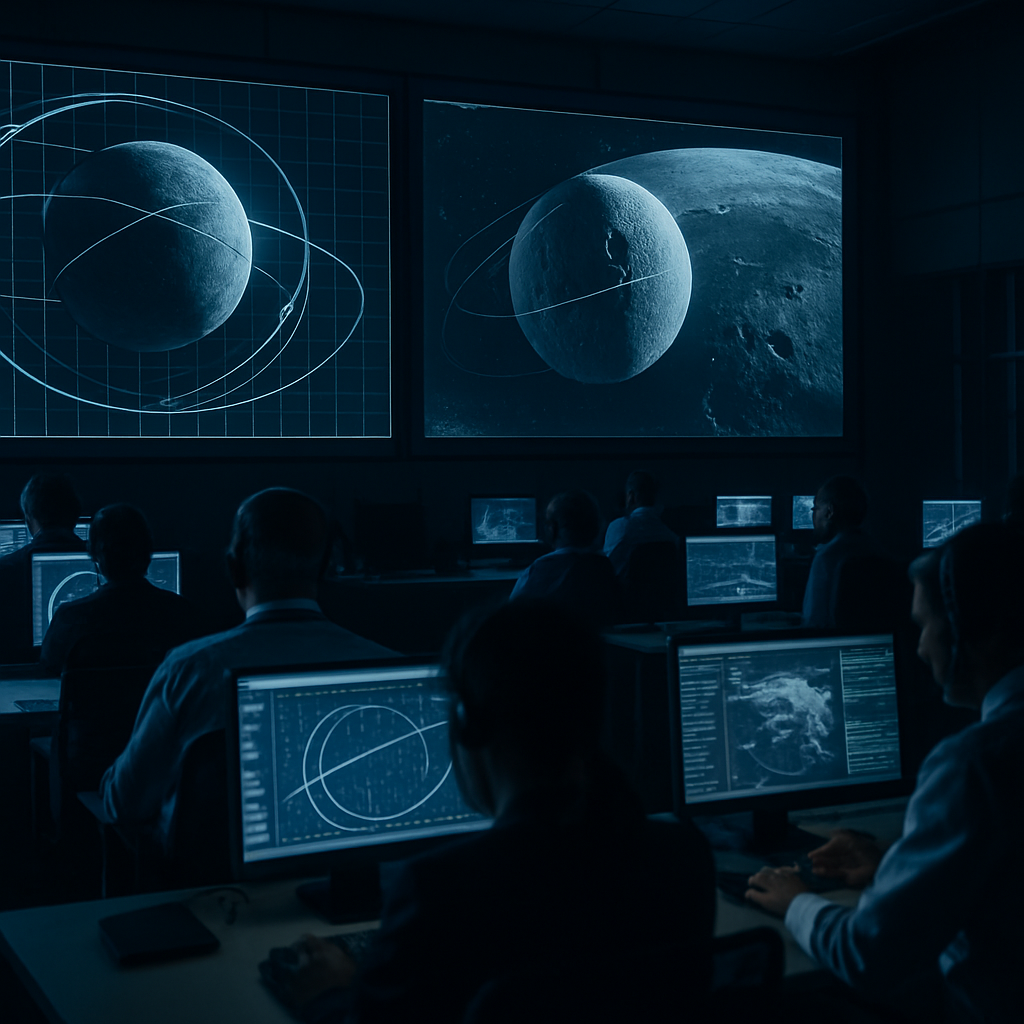
China’s Chang’e programme has been the quiet overachiever of the last decade. Chang’e 6, which returned samples from the Moon’s far side in mid-2024, was a genuine world first. Nobody had ever done that before. In 2026, Beijing is pushing ahead with Chang’e 7, targeting the lunar south pole specifically to scout for water ice. Chang’e 8 is planned to follow and will begin testing the kind of in-situ resource utilisation, essentially turning lunar materials into usable fuel and building materials, that a permanent base would require.
China has also announced the International Lunar Research Station, a joint project with Russia and several other partner nations, designed as a long-term crewed base. The timeline is ambitious. Whether it holds is another question, but the intent is unmistakable. Beijing wants a permanent human presence on the Moon, and it wants to define the rules of engagement for whoever comes next.
NASA, Artemis, and the Complicated Road Back for the US
The American Artemis programme has had a bruising few years. Artemis I flew in late 2022, uncrewed and successful. Artemis II, the crewed lunar flyby, was delayed multiple times and eventually flew in 2025. Artemis III, the actual crewed landing, has been pushed into late 2026 at the earliest, with some analysts privately doubting that timeline too. The Space Launch System, NASA’s enormous and enormously expensive rocket, has cost far more than planned, and political pressure in Washington has been intense.
Still, the infrastructure is building. The Lunar Gateway, a small space station to orbit the Moon, is taking shape with contributions from ESA, the Canadian Space Agency, and JAXA in Japan. The UK is involved too, with British companies including Airbus Defence and Space contributing components. NASA has also signed Artemis Accords with dozens of nations, a framework for responsible lunar exploration that notably excludes China and Russia, which adds a sharp diplomatic edge to what is ostensibly a scientific endeavour. BBC Science and Environment has been tracking the programme’s progress closely throughout.
India’s Chandrayaan Success and What Comes Next
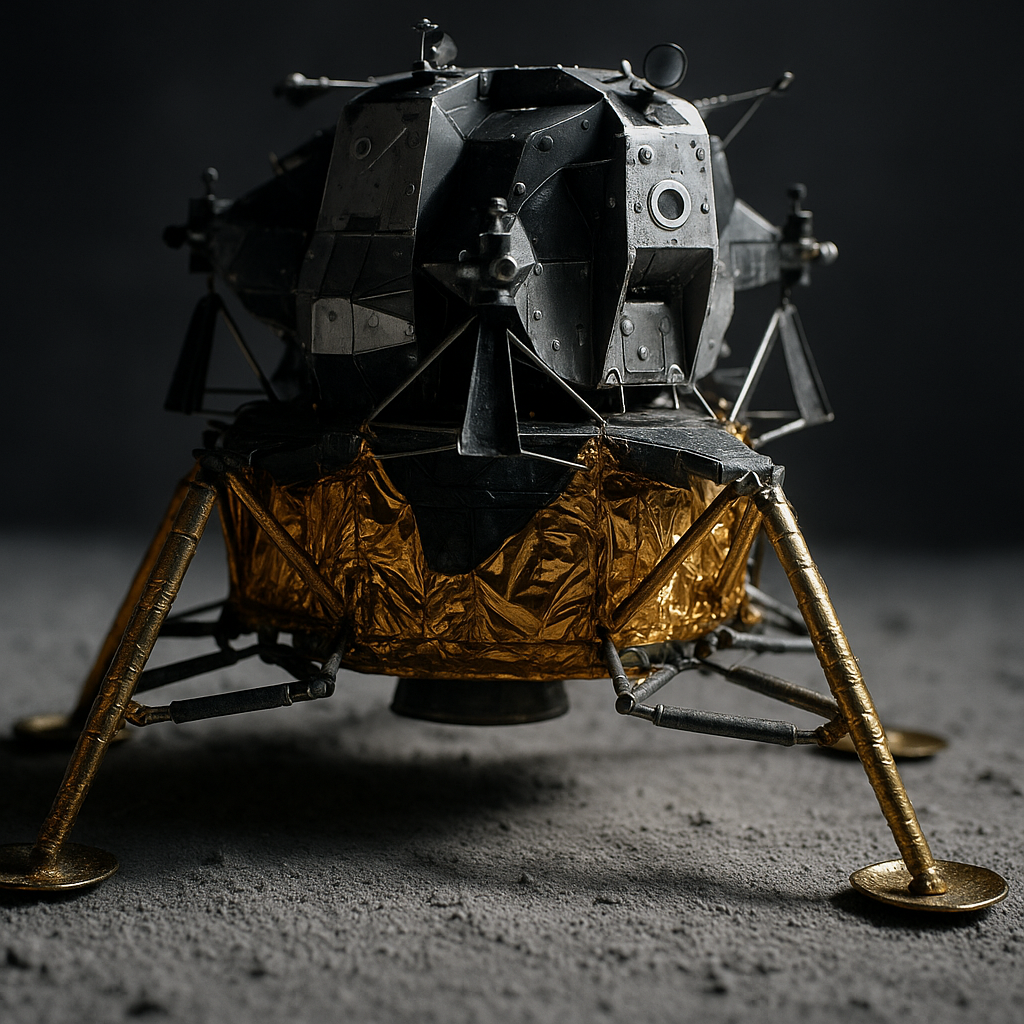
India earned its place at the top table in August 2023 when Chandrayaan-3 became the first mission to land successfully near the lunar south pole. ISRO, the Indian Space Research Organisation, confirmed the presence of sulphur and several other elements in the surface soil. It was a landmark moment, not just scientifically but politically. India announced it wanted to be a major player in lunar exploration, not a junior partner to anyone.
Chandrayaan-4 is in development with a focus on sample return, matching what China has already achieved. India is also in early talks with Japan on a joint polar mission. The pace of ISRO’s ambition has accelerated noticeably since the Chandrayaan-3 success, and with a relatively lean budget compared to NASA or CNSA, India’s cost-effectiveness makes it a serious long-term contender.
SpaceX, Blue Origin, and the Private Sector Scramble
The moon missions 2026 space race is not just for governments. SpaceX is now under contract with NASA to provide the Human Landing System for Artemis using a modified version of Starship. The Starship programme has had spectacular test flights and equally spectacular explosions, but the trajectory is clearly upward. Elon Musk’s company has fundamentally changed the economics of getting to orbit, and that same logic now applies to the Moon.
Jeff Bezos’ Blue Origin, after years trailing SpaceX, is building its own lander called Blue Moon and has secured NASA contracts of its own. Then there are smaller commercial landers. Intuitive Machines, based in Houston, landed its IM-2 mission near the south pole in early 2025 as part of NASA’s Commercial Lunar Payload Services programme. Several more commercial landers are planned before the end of 2026. The lunar surface is about to get considerably busier.
Why the Moon Matters More Than Ever in 2026
Three things make this moment genuinely different from the original space race. First, the confirmed presence of water ice at the poles. Water can be split into hydrogen and oxygen, producing rocket fuel. A fuel depot on the Moon could dramatically cut the cost of missions to Mars and beyond. Whoever controls those ice deposits has leverage that extends across the entire solar system.
Second, helium-3. The Moon’s surface contains deposits of helium-3, a potential fuel for nuclear fusion reactors that is extraordinarily rare on Earth. With fusion energy finally appearing on the near-term horizon, lunar helium-3 has gone from theoretical curiosity to something governments are beginning to take seriously in resource planning.
Third, there is the question of legal frameworks. The 1967 Outer Space Treaty prohibits national ownership of celestial bodies but says nothing definitive about commercial resource extraction. The US passed domestic legislation in 2015 allowing American companies to own resources they extract in space. China, Luxembourg, and the UAE have since done similar things. Nobody has resolved the bigger international picture, which means the moon missions 2026 space race is also a race to establish facts on the ground before the legal framework catches up.
What This Means for the Rest of Us
Oli and I have spent a fair bit of time thinking about why this story keeps getting pushed to the back of the news agenda. It is arguably the most consequential geopolitical competition of our lifetimes, and yet it does not generate the same heat as domestic politics. That might change quickly if a crewed landing goes ahead later this year, or if China and the US find themselves operating conflicting missions in the same small patch of lunar south pole simultaneously.
Britain’s role is small but real. UK companies are contributing to Gateway hardware, UK scientists have instruments on several missions, and the UK Space Agency has been quietly expanding its budget and ambitions. There is something worth following here that goes well beyond flags and national pride. The moon missions 2026 space race is really about who gets to write the rules for the next century of human expansion beyond Earth. That is a story worth paying attention to.
Frequently Asked Questions
Which countries are involved in the 2026 moon missions space race?
The main national players are the US (NASA’s Artemis programme), China (Chang’e series), India (Chandrayaan-4 in development), and Japan (JAXA lunar missions). Private companies including SpaceX and Blue Origin are also conducting missions under NASA contracts, making this the most crowded lunar environment in history.
When will NASA's Artemis III crewed Moon landing actually happen?
Artemis III, which would return humans to the lunar surface for the first time since 1972, is currently targeting late 2026, though it has been delayed several times already. The mission depends on Starship’s readiness as the landing vehicle, which has shown rapid but unpredictable progress.
Why does everyone suddenly want to go to the Moon's south pole?
Scientists confirmed the presence of water ice in permanently shadowed craters near the lunar south poles. That ice can be converted into drinkable water, breathable oxygen, and crucially, rocket fuel for deep space missions. Controlling those resources would give any nation or company a massive strategic and commercial advantage.
Is the UK involved in the 2026 space race?
Yes, in a supporting role. British companies including Airbus Defence and Space are contributing hardware to NASA’s Lunar Gateway orbital station, and UK scientists have instruments aboard several international missions. The UK Space Agency has also been increasing its budget and international partnerships in recent years.
Could there be a conflict between countries operating on the Moon?
A physical conflict is very unlikely, but territorial and legal disputes are a real concern. The 1967 Outer Space Treaty does not clearly address resource extraction rights, and the US-led Artemis Accords and China’s rival framework create two competing sets of rules. With multiple missions targeting the same small polar regions, diplomatic friction is increasingly possible.