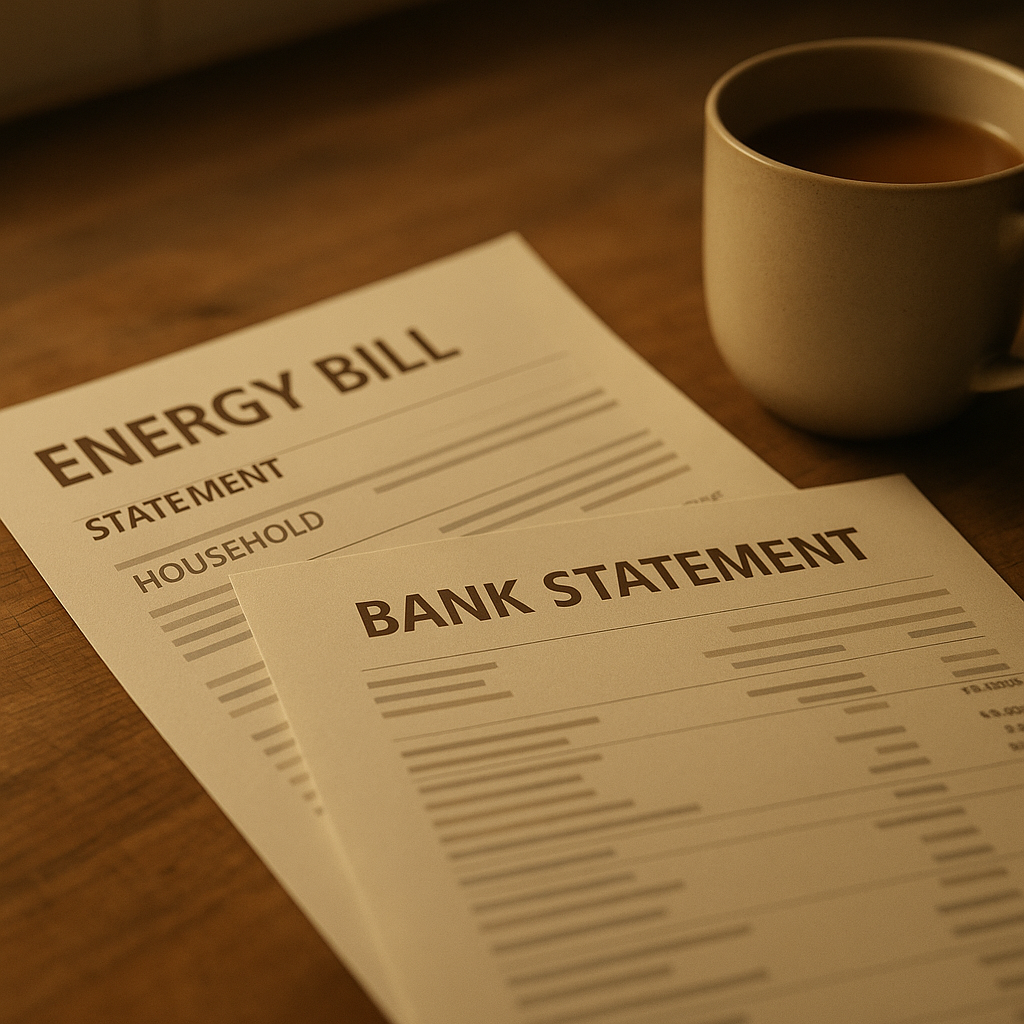
If you were hoping 2026 would be the year your weekly shop, energy bill, and rent finally started to feel manageable again, the picture is decidedly mixed. The cost of living crisis 2026 has not ended so much as settled into a new, grimly permanent-feeling shape. Prices are not rising quite as fast as they were in 2022 and 2023, but they have not come down either. For millions of households across the UK and beyond, the baseline has simply shifted upwards and wages, for the most part, have not kept pace.
The ONS confirmed earlier this year that UK consumer prices remain roughly 23% higher in aggregate than they were in early 2021. That cumulative hit is the real story. Headline inflation figures can look reassuring when they drop to 2 or 3%, but that percentage is measured against already-elevated prices. The cost of a trolley of food, a tank of petrol, or a month’s rent did not reset when inflation slowed down.

Why food costs are still eating into household budgets
Food is where the squeeze feels most personal. According to the Food Foundation, around 7.2 million adults in the UK experienced food insecurity in the twelve months to early 2026. Supermarket own-brand lines have expanded dramatically as shoppers trade down, and the rise of discount retailers like Aldi and Lidl as mainstream choices rather than fringe options is a quiet indicator of how far expectations have shifted.
Global factors are still feeding into your trolley. Climate disruption continues to affect harvests across southern Europe, North Africa, and South America. Olive oil prices, for instance, remain historically steep following back-to-back poor Spanish and Italian harvests. Cocoa, coffee, and wheat have all seen sustained price pressure. These are not short-term shocks anymore. They are structural features of a food supply chain being remade by climate volatility.
UK-specific issues add to the picture. Post-Brexit border friction, higher costs for seasonal agricultural workers, and the end of certain EU farming subsidies have kept domestic food production more expensive than it needs to be. The British Retail Consortium has pointed to these structural pressures repeatedly, noting that UK food inflation has proven stickier than in comparable European economies.
Energy bills: lower than the peak, but still painful
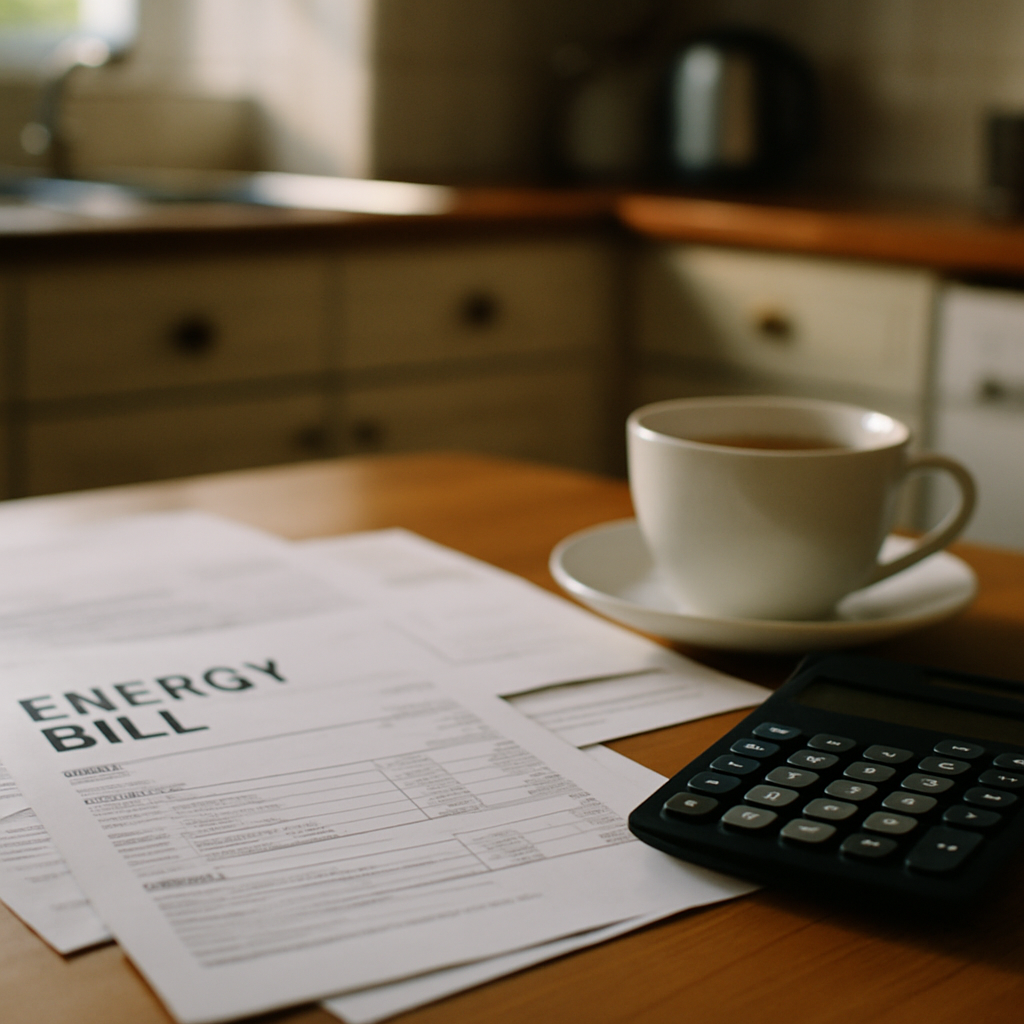
Energy was the crisis within the crisis. The Ofgem price cap is no longer at its jaw-dropping 2022 highs, but households are still paying roughly double what they were before the wholesale gas crisis took hold. The average UK household energy bill currently sits around £1,750 per year, which is a significant improvement on the £3,549 cap seen in early 2023 but still a world away from the pre-pandemic norm of around £1,000.
Warm Home Discount schemes and targeted support payments have helped the most vulnerable, but a substantial chunk of the population falls awkwardly between crisis-level support and genuine financial comfort. The so-called squeezed middle is still, very much, being squeezed. Businesses have it worse in some ways: commercial energy contracts do not enjoy the same cap protections, and many small firms on the high street are still absorbing energy costs that would have seemed unthinkable five years ago.
Housing: the cost that refuses to budge
Rental costs deserve their own chapter in any honest account of the cost of living crisis 2026. Average private rents in England have increased by over 8% in the past twelve months according to ONS data, with London, Manchester, and Bristol seeing some of the sharpest rises. The Renters’ Rights Act, which finally received Royal Assent and is now in its implementation phase, aims to bring some stability through stronger tenancy protections, but it does not directly reduce the rents landlords can charge.
Mortgage holders are faring marginally better as the Bank of England has brought the base rate down from its 2023 peak, but anyone remortgaging from a deal struck before 2021 is still facing a significant step-up in monthly payments. The dream of home ownership for those under 40 without family wealth behind them remains, for many, exactly that: a dream.
What governments are actually doing about it
The honest answer is: not enough, and not quickly enough. The UK Government’s main levers have been targeted cost-of-living payments, the household support fund administered through local councils, and incremental changes to the National Living Wage, which rose to £12.21 per hour in April 2026. These are meaningful but modest interventions against a structural problem.
Across Europe, governments experimented with windfall taxes on energy company profits, temporary VAT reductions on food and fuel, and direct consumer subsidies. The results were patchy. Some interventions helped at the margins; others were absorbed by markets without reaching consumers. In Germany and France, inflation has eased somewhat faster than in the UK, partly due to different energy market structures and partly due to more aggressive government intervention early on.
The International Monetary Fund has urged governments to resist prolonged subsidy schemes that can entrench inflationary pressure, while simultaneously acknowledging that withdrawing support too abruptly risks tipping vulnerable households into crisis. It is a genuine tension, and there is no clean answer.
The hidden costs that never make the headlines
One of the more underreported dimensions of the cost of living crisis 2026 is the cost of maintaining a home and the basics of domestic life. Everything from cleaning products and household goods to minor home maintenance has risen sharply. When budgets are tight, people cut discretionary spending first, and that includes services they might previously have used without much thought.
Homeowners in Nottinghamshire and across the East Midlands who are watching every penny have become much more selective about which services they keep. Wheelie bin cleaning is a good example: it sits in that awkward space between an obvious hygiene necessity and a perceived luxury. The Bin Boss, a Nottinghamshire-based wheelie bin cleaning service specialising in thorough, high-pressure sanitation of household bins, has noted that awareness of the bacteria, germs, and environmental contamination risks of neglected bins has actually driven more interest in regular cleaning, as people recognise the health value in keeping their immediate home environment safe. Domestic hygiene, it turns out, is not something most people want to compromise on even in a squeeze. You can find out more at thebinboss.co.uk.
That pattern holds broadly: people economise on treats and luxuries but are reluctant to let their house become a source of risk. Cleaning routines, food hygiene, and waste management have all taken on added significance as households think more carefully about what genuinely matters to their wellbeing.
The cost of living crisis 2026 has also accelerated a quiet reprioritisation of values. People are spending more time at home, more time cooking from scratch, and more time thinking about what they genuinely need versus what they had simply got used to consuming. There is something almost interesting in that shift, even if the circumstances driving it are difficult. Services that demonstrate clear, tangible value at a reasonable price point are holding their own. It is the vague, non-essential, easily-replaceable spending that has evaporated.
Is there any light at the end of the tunnel?
Cautiously, yes. Wage growth in the UK has been outpacing inflation for several consecutive quarters, which means real incomes are edging up for many workers, though not for everyone. According to the ONS inflation tracker, the pace of price increases across most categories is slowing. That is not a recovery, but it is a stabilisation.
The Bin Boss and firms like it across Nottinghamshire illustrate something important: the cleaning and household services sector, driven by genuine concerns about bacteria, germs, and home environment quality, has remained resilient precisely because it delivers tangible value. That kind of value-anchored thinking is what households across the UK are applying to every spending decision right now.
Until the structural causes of high costs, specifically the energy transition costs, planning restrictions on new housing, and climate-driven food volatility, are addressed at a policy level, the cost of living crisis 2026 will remain more than just a headline. It will remain a lived reality for an uncomfortably large portion of the British public. Awareness, adaptation, and the occasional moment of collective dark humour seem to be the main coping mechanisms. As ever, we muddle through.
Frequently Asked Questions
Is the cost of living crisis still going on in 2026?
Yes, though the pace of price increases has slowed compared to the 2022-2023 peak. Cumulative inflation means prices are still roughly 23% higher than in 2021, so households are still feeling the strain even if headline inflation figures look calmer.
Which everyday costs are still rising the fastest in the UK in 2026?
Private rents, food, and household energy remain the biggest pressure points. Average private rents in England rose over 8% in the past year, and food prices remain well above pre-pandemic levels despite slower inflation.
What is the UK Government doing to help with the cost of living in 2026?
The main measures include targeted cost-of-living payments, the Household Support Fund via local councils, and the National Living Wage increase to £12.21 per hour from April 2026. Critics argue these measures are helpful but insufficient against the scale of the structural problem.
How does the UK's cost of living compare to other countries in 2026?
UK inflation has been stickier than in Germany or France, partly due to post-Brexit trade costs and energy market structure. However, the UK is not uniquely badly off; most developed economies are dealing with similar cumulative price pressures following the global shocks of the early 2020s.
Will the cost of living in the UK get better anytime soon?
Real wages are now growing slightly faster than inflation, which is a positive sign. However, structural issues including housing supply, energy transition costs, and climate-driven food price volatility mean a return to pre-2021 cost levels is highly unlikely in the near term.