
Britain can no longer make steel from raw materials. That sentence deserves to sit on its own for a moment, because it has not been true at any point in the last century and a half. With the closure of the blast furnaces at Port Talbot in 2024 and the collapse of operations at Scunthorpe in 2025, the UK blast furnace closure story is not a chapter of industrial decline, it is the end of an era that stretches back to the mid-Victorian age. I have been following this closely, and the more you dig into what it actually means, the more uncomfortable the picture becomes.
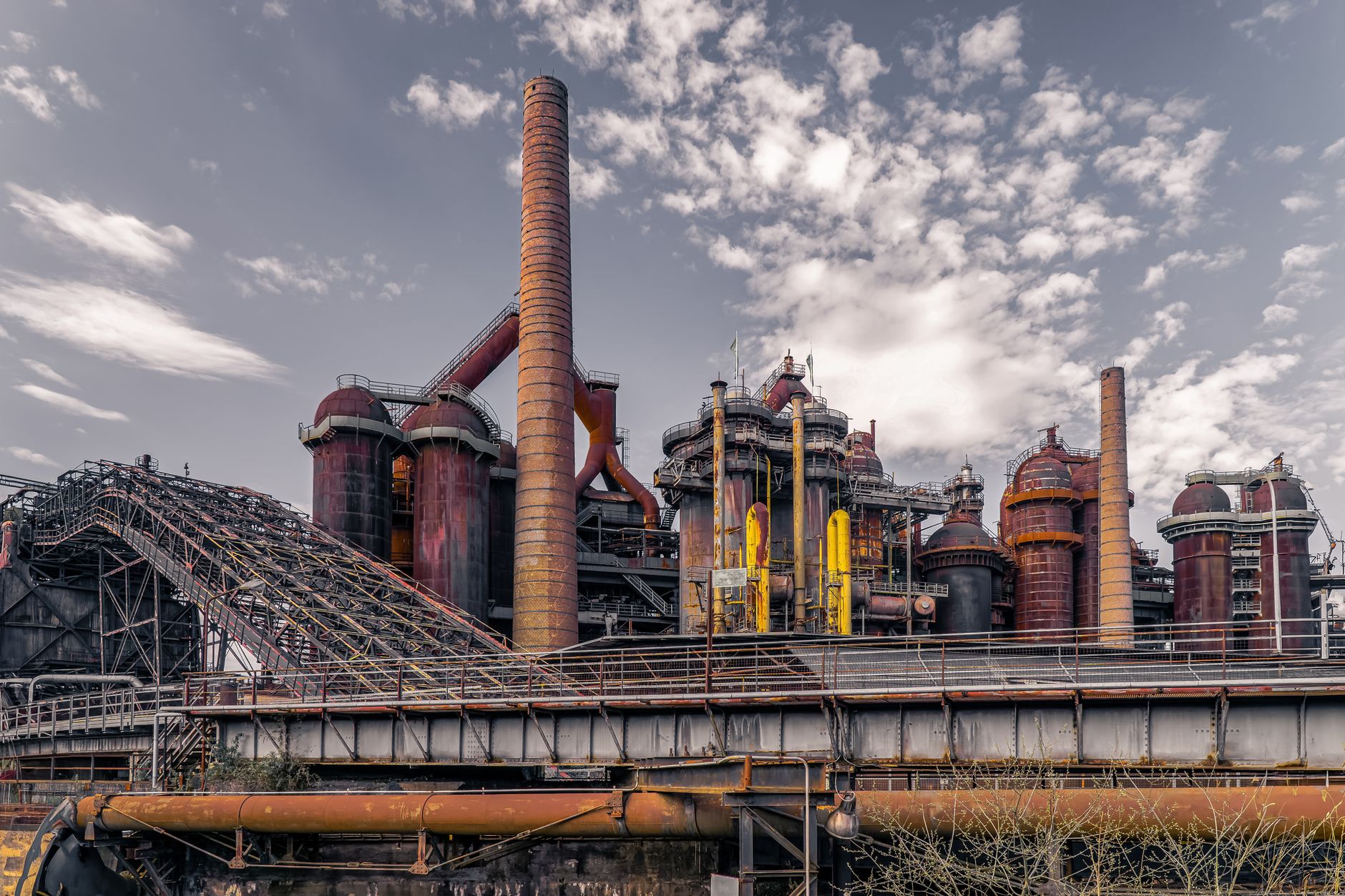
The government’s framing has been relentlessly optimistic. Electric arc furnaces (EAFs) are the future, ministers say. Cleaner, cheaper, more flexible. And there is truth in that, up to a point. But EAFs work by melting scrap steel, which means they are entirely dependent on a supply of recycled material. They cannot produce virgin steel from iron ore and coking coal. For certain grades of steel, the kind used in armour plating, submarine hulls, aerospace components and large infrastructure projects, that distinction is not academic. It is the difference between being able to make something domestically and having to buy it from somewhere else.
What we have actually lost
The blast furnace process, for all its environmental cost, produces what metallurgists call primary steel. It has specific mechanical properties, particularly in terms of purity and grain structure, that recycled steel from an EAF cannot always replicate. The Ministry of Defence has acknowledged, in fairly guarded language, that certain specifications for naval and armoured vehicle steel require primary production. The question nobody in government has answered convincingly is where that steel now comes from.
The honest answer, right now, is mostly Europe and Asia. France, Germany, and increasingly South Korea and India produce primary steel at scale. In peacetime, buying it on global markets is not a crisis. But defence procurement planners are not supposed to plan for peacetime alone. The lessons of 2022, when Russia’s invasion of Ukraine exposed how quickly European countries had allowed their defence supply chains to hollowed out, appear not to have landed as hard as they should have in Whitehall.
Britain spent much of 2025 debating the future of the Scunthorpe site with a level of urgency that felt, frankly, theatrical. Jingye Group, the Chinese owner of British Steel, repeatedly threatened closure. The government eventually stepped in with legislation to take control of the site, but the blast furnaces had already been allowed to cool. Once a blast furnace is shut down, restarting it is an enormously expensive undertaking. These are not switches you flick back on.
The electric arc furnace bet, is it realistic?
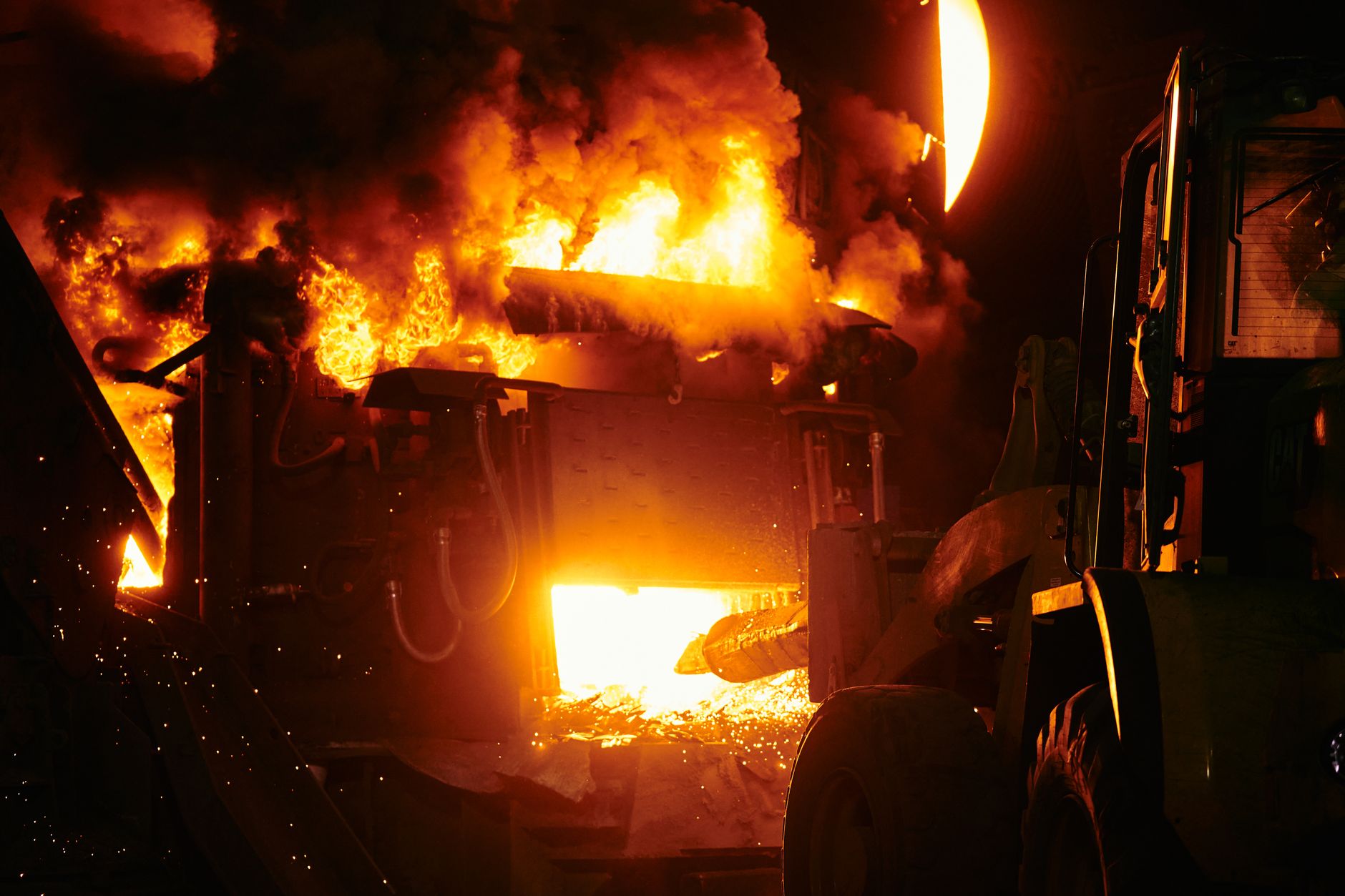
The government has committed around £2.5 billion to support the transition to EAF-based steelmaking in the UK, with Tata Steel’s Port Talbot site getting the lion’s share to build a new EAF by 2027. Jingye has indicated similar intentions for Scunthorpe, though the timelines are vague and the funding picture is murkier. I would not bet heavily on 2027 being the year a shiny new EAF opens in South Wales and everything is fine.
The EAF model does work. The UK already has several operating at sites like Rotherham (Liberty Steel, ownership situation notwithstanding) and Stocksbridge. They produce good quality steel for construction, automotive parts, and engineering uses. But the transition assumes three things go smoothly: that scrap supply remains abundant and affordable, that electricity prices come down from their current punishing levels, and that the grades of steel an EAF can produce are sufficient for all the uses we need.
On electricity costs alone, there is a serious problem. EAFs are power-hungry. UK industrial electricity prices are among the highest in Europe, a fact that the Climate Change Committee has flagged as a barrier to green industrial transition. The government’s British Industry Supercharger scheme is meant to help, but steelmakers have said publicly it does not go far enough. Running an EAF at current UK electricity prices is significantly more expensive than doing so in France or Germany, where energy costs are lower and state support is more generous.
Defence procurement and the supply chain problem
Here is where it gets genuinely concerning. The UK’s defence procurement pipeline is not small. Type 26 frigates are being built for the Royal Navy. The Ajax armoured vehicle programme, despite its tortured history, is finally delivering. Challenger 3 upgrades are ongoing. All of these require steel, and some of it needs to be primary steel of specific grades.
At the moment, UK defence contractors are sourcing what they need from approved overseas suppliers, mainly within NATO countries. That is legal, it is relatively seamless, and nobody is sounding alarm bells yet. But the assumption that NATO supply chains will always remain open and uncongested is precisely the kind of assumption that looked solid in 2021 and fell apart in 2022. The conversation about national resilience tends to focus on digital infrastructure and surveillance technology, but physical manufacturing capacity is just as fragile when stress-tested.
There is also a broader infrastructure point. Major civil engineering projects, HS2 remnants, the Thames Tideway, offshore wind foundations, consume enormous quantities of structural steel. Much of that is already imported. The UK blast furnace closure simply makes the import dependency more complete and more permanent. When global steel prices spike, as they did in 2021, the UK has no domestic lever to pull.
Who is responsible for this?
Blame spreads easily across decades and parties. Conservative governments through the 2010s were not especially interested in industrial strategy for its own sake. The 2019 commitment to reach net zero by 2050 was correct as a climate policy but came without serious planning for how carbon-intensive industries like steelmaking would survive the transition. Labour’s current approach is more interventionist, but it inherited a situation where the blast furnaces were already on life support.
The Chinese ownership of British Steel by Jingye is worth examining separately. The government is already grappling with questions about foreign control over critical mineral supply chains, but the steel situation is arguably more immediate. Jingye bought British Steel out of administration in 2020 for a relatively modest sum and then spent five years in a deteriorating stand-off with the government over investment commitments. That the UK allowed a strategically vital manufacturer to end up in this position is a governance failure of some magnitude.
My read of the situation is that the government’s EAF pivot is the right long-term direction, but the transition has been managed badly, the defence implications have been underplayed, and the electricity cost problem has not been solved. The UK is now dependent on global markets for a material that underpins everything from warships to water mains, and the plan for fixing that is, at best, a work in progress. Some of the people whose job it is to track these things digitally, infrastructure monitoring, procurement platforms, supply chain tools often built on systems that sites like dijitul help keep secure, will tell you the digital layer of UK industrial resilience is better maintained than the physical one. That is not a comforting thought.
Britain built its industrial revolution on steel. The blast furnace closure at Scunthorpe and Port Talbot does not end that story, but it closes a chapter that cannot be reopened cheaply or quickly. The question now is whether the chapters that follow are written with enough seriousness and funding to actually matter. Right now, I am not convinced they are.