Something genuinely interesting is happening. The generation that grew up entirely online, that documented their first days of school on Instagram and turned TikTok into a cultural force, is quietly walking away. Not all of them, not all at once, but the data is pointing in one direction. Gen Z leaving social media in 2026 is no longer a think-piece hypothesis. It is a measurable, documented shift that is reshaping how young people spend their time, build relationships, and consume information.
Oskar and I have been watching this one for a while. We both noticed it in our own circles first, the group chats going quiet, people mentioning they’d deleted the apps, a friend who binned Instagram back in 2024 and genuinely never went back. Now the numbers are catching up with the anecdote.

What the numbers actually say about young people quitting social media
A 2025 report from Ofcom found that UK social media engagement among 18 to 24-year-olds had plateaued for the first time since the platforms launched, with active daily usage dropping by around 11% compared to 2023 peaks. That does not sound enormous until you consider that every other demographic continued to climb. The young were the engine. Now they are braking.
Globally, surveys by GWI have tracked a consistent rise in what respondents describe as “social media fatigue” among under-25s. In the UK specifically, roughly one in three Gen Z respondents said they had either deleted at least one major platform or significantly restricted their use in the past 12 months. The reasons given are strikingly consistent: anxiety, comparison culture, the feeling that nothing on there is real, and a straightforward sense that it wastes time they would rather spend differently.
There is also something more pointed happening with trust. After years of coverage from the BBC and others detailing algorithmic manipulation, data harvesting, and the mental health toll on young users, Gen Z has grown up with a uniquely cynical view of these platforms. They are not discovering that social media might be bad for them. They already know. And a meaningful chunk of them are acting on that knowledge.
What is actually replacing the scroll?
This is the part that genuinely surprises people. The assumption tends to be that young people abandoning social media are retreating into some kind of analogue vacuum, journalling by candlelight and rediscovering vinyl. Some of that is happening, and it makes for lovely content. But the reality is more nuanced and, honestly, more interesting.
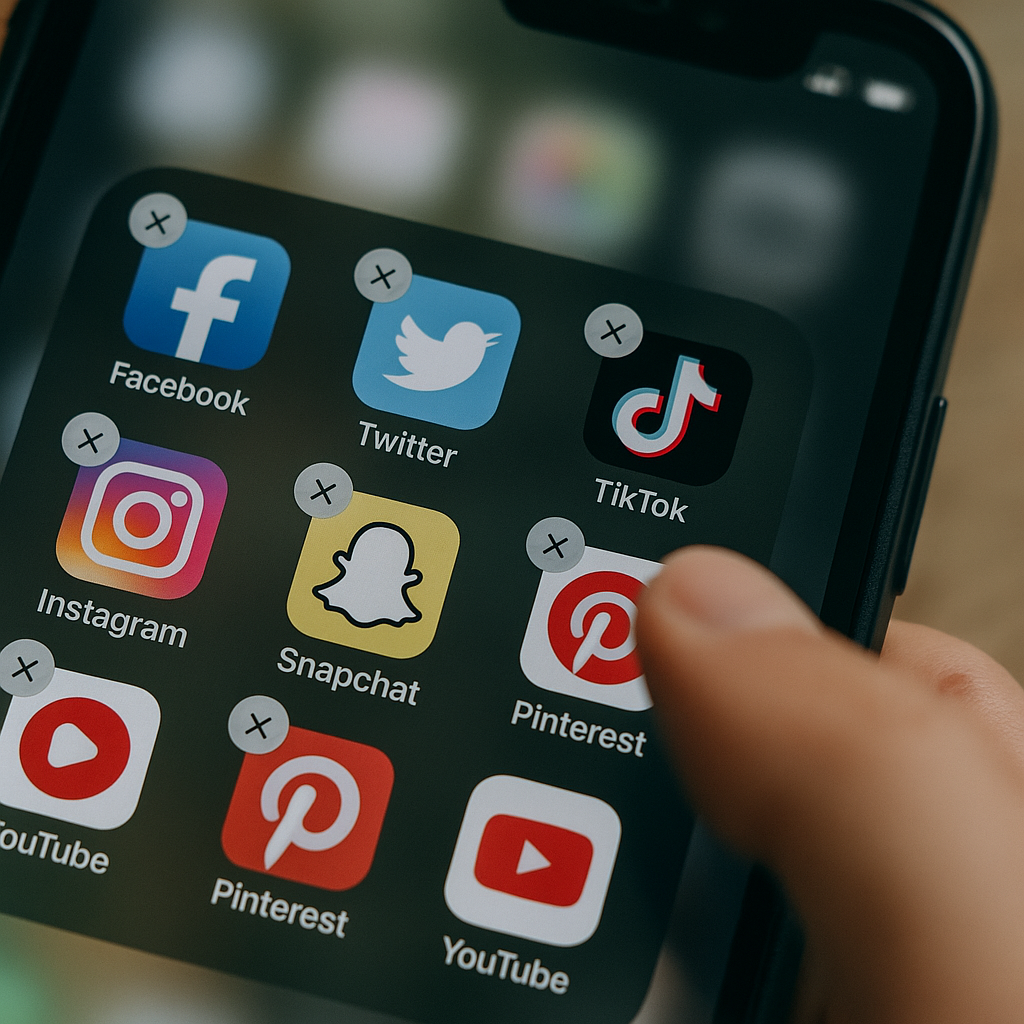
Private messaging is surging. Discord servers, WhatsApp communities, and smaller group-based platforms are drawing in the people leaving Twitter and Instagram. The logic makes sense: you still want connection, just not the performative public version of it. Private spaces feel safer, less surveilled, less likely to get screenshotted and sent somewhere you did not intend.
Physical hobbies are also seeing a genuine renaissance among under-25s in Britain. Climbing walls in Manchester and Bristol have reported significant year-on-year increases in young members. Running clubs across London, particularly community-led ones that use WhatsApp rather than Instagram to organise, are growing quickly. Board game cafes, craft workshops, five-a-side football leagues. These are not new inventions but they are being adopted with fresh enthusiasm by a generation that has perhaps realised that the dopamine hit from a like does not hold a candle to actually doing something with your hands or your body.
Subculture media is another piece of the puzzle. Newsletters, niche podcasts, YouTube channels with modest but loyal audiences. Young people are not abandoning content consumption; they are curating it more deliberately. Choosing to subscribe to a specific creator rather than letting an algorithm decide what they see next. It is a small but meaningful shift in agency.
Why Gen Z leaving social media 2026 is a cultural moment, not just a trend
There is a generational identity component to this that should not be overlooked. Gen Z grew up being told they were the social media generation. In secondary schools across the UK, the phrase “digital native” was used almost as a compliment. You are so fluent in this technology, you barely even notice it. What that framing missed was that fluency does not equal affection. Plenty of Gen Z know exactly how these platforms work because they have watched them close up, and that knowledge has bred a particular kind of disillusionment.
Logging off has become, for many, a form of quiet resistance. Not a political statement with a manifesto, but a personal one. I am not going to keep feeding this machine with my attention and my data if it is making me feel worse. There is something admirable in that, even if the platforms themselves are hardly going to collapse overnight.
The irony, of course, is that the biggest social media companies are well aware of this. Meta has been pivoting hard toward AI-generated content and immersive features, trying to make the feed feel less like a mirror held up to your inadequacies and more like entertainment. TikTok continues to evolve its format. But there is a ceiling on how much polish can fix a structural problem, and the structural problem is that constant public performance is genuinely exhausting.
What this means for the platforms going forward
Short answer: they are not dying tomorrow. But the shift in who uses them is significant. If younger users continue to drift away while older demographics account for a larger share of engagement, the cultural cachet of these platforms erodes. A platform that becomes associated with people over 40 tends to lose the youth audience faster, not slower. That is just how cultural momentum works.
Advertisers are already nervous. The 18-to-34 demographic is the most commercially valuable audience on the planet for most consumer brands. If Gen Z is genuinely logging off, even partially, the economics of social advertising start to creak. Expect to see brands experimenting more aggressively with podcast sponsorships, creator newsletters, and event-based marketing in response.
For the rest of us, the trend raises a decent question worth sitting with. If the people who were supposed to live their entire lives on these platforms are stepping back, what does that tell us about what those platforms were actually delivering? The answer, increasingly, seems to be: not quite enough.
Gen Z leaving social media in 2026 is not the end of the internet or even the end of social platforms. But it might be the beginning of a more intentional relationship with them. And frankly, that sounds like progress.
Frequently Asked Questions
Is Gen Z really leaving social media in 2026 or is it just hype?
The data suggests it is a real and measurable trend. Ofcom’s 2025 UK report showed daily active social media use among 18 to 24-year-olds had dropped by around 11% compared to 2023, the first sustained decline in that age group. It is not a mass exodus, but it is a meaningful and consistent shift.
Which social media platforms are losing the most young users?
Instagram and X (formerly Twitter) have seen the steepest drops in active engagement among under-25s in the UK. TikTok has held up better due to its entertainment-first format, but even there, heavy daily usage among Gen Z has plateaued. Snapchat retains a core user base but has struggled to grow it.
What are young people doing instead of scrolling social media?
Private messaging via Discord and WhatsApp communities is growing significantly. Physical hobbies like running clubs, climbing, and team sports are also seeing a resurgence among under-25s in Britain. Many are shifting toward curated content like niche podcasts and newsletters rather than algorithm-driven feeds.
Does quitting social media actually improve mental health?
Several studies, including UK-based research from the University of Bath, have found that reducing social media use correlates with lower anxiety and improved mood, particularly in young women. The effects are not universal, but the pattern is consistent enough to take seriously.
Will social media platforms survive if younger users keep leaving?
In the short to medium term, yes. These platforms still have enormous user bases across all demographics and significant advertising revenue. However, losing the 18-to-34 age group as a dominant audience would significantly damage their cultural influence and long-term commercial appeal to brand advertisers.