Author: Oskar

  • The Cost of Living Crisis Isn’t Over: Why Millions Are Still Struggling in 2026

    The Cost of Living Crisis Isn’t Over: Why Millions Are Still Struggling in 2026

    The headlines keep announcing green shoots. Ministers stand at podiums and talk about economic resilience. And yet, millions of people across the UK are starting the week by checking their bank balance before they put the heating on. The cost of living crisis 2026 hasn’t ended. For a huge chunk of the population, it barely feels like it has eased.

    This isn’t pessimism for its own sake. It’s a straightforward reckoning with the numbers, the lived reality, and the structural problems that were always going to outlast the short-term fixes politicians preferred to talk about.

    Woman checking shopping receipt on British high street during cost of living crisis 2026
    Woman checking shopping receipt on British high street during cost of living crisis 2026

    Energy Bills: Still Punishing, Just Differently

    The energy price cap sits at a level that would have seemed extraordinary just a few years ago. Ofgem adjusts the cap quarterly, and while the absolute peaks of 2022 and 2023 are behind us, household energy bills in 2026 remain significantly higher than pre-pandemic norms. According to data from Ofgem, the average household is still spending hundreds of pounds more per year on energy than they were in 2019. Insulation schemes have helped some, but the rollout has been patchy, and privately rented homes in particular remain among the least energy-efficient in the country.

    The cruel irony is that people adapted to the crisis by cutting back hard on usage, and now those reduced consumption habits mean the relief feels smaller in practice. You can’t halve your heating and then celebrate a 10% price drop as a meaningful win.

    Food Prices: The Inflation That Stuck Around

    Supermarket shelves are full. That part is fine. What’s changed permanently is the price on the label. Grocery inflation peaked brutally across 2022 and 2023, and whilst the rate of increase has slowed, the prices themselves haven’t come back down. You don’t get deflation in a supermarket aisle. What you get is “value” ranges expanding and own-brand products replacing branded ones in more and more trolleys.

    The ONS continues to track food price indices, and the cumulative effect of several years of above-target food inflation means a basket of weekly essentials costs dramatically more in real terms than it did five years ago. Families who were already stretching their budgets have simply run out of elasticity. Food bank usage across England has remained at historically high levels, with the Trussell Trust reporting sustained demand well into 2026.

    Household energy and rent bills on a kitchen table illustrating the cost of living crisis 2026
    Household energy and rent bills on a kitchen table illustrating the cost of living crisis 2026

    Rent and the Housing Squeeze

    For renters, the cost of living crisis 2026 has a very specific face: the monthly rent demand. Private rents across the UK have surged over the past four years, driven by a shortage of available properties, higher mortgage rates pushing some potential buyers into long-term renting, and a reduction in the number of smaller landlords willing to remain in the market. In many cities outside London, rents have risen by 30 to 40 per cent since 2021. That’s not a manageable adjustment. That’s a structural shift in the affordability of everyday life.

    Homeowners have had their own pressures, particularly those coming off fixed-rate mortgage deals struck during the ultra-low interest rate era. Remortgaging in 2024 and 2025 meant confronting a payment shock that wiped out whatever headroom they’d built up. For those thinking about moving house or investing in property in the current climate, the calculation has become significantly more complex. Homeowners across the East Midlands looking for joined-up advice on mortgages, lettings management, and buy to let services have increasingly turned to firms like Lister Group, a Mansfield, Nottinghamshire-based property services specialist covering everything from buy to let guidance to full lettings management, with a presence at lister-group.co.uk. Being a landlord today isn’t the passive income story it once appeared to be, and getting proper professional support has gone from a nice-to-have to something closer to a necessity.

    Wage Growth That Doesn’t Feel Like Growth

    Nominal wages have risen. Statistically, if you look at average earnings, there’s been growth. The problem is that nominal figures are almost meaningless without accounting for the cumulative inflation of the past four years. Real wages, adjusted for what things actually cost, have only recently crept back to something approaching 2019 levels for many workers. For those in sectors like retail, hospitality, and social care, the picture is bleaker still.

    The National Living Wage increases have helped those at the lower end of the pay scale, but they’ve also compressed differentials, leaving workers who had previously been just above minimum wage feeling like they’ve stood still while the floor rose around them. Meanwhile, higher-paid professionals have often seen their real purchasing power eroded by a combination of frozen income tax thresholds and above-average inflation in the things they spend most on: mortgages, childcare, energy.

    Why the Recovery Narrative Doesn’t Land

    Government messaging about economic recovery tends to focus on GDP growth, employment figures, and headline inflation returning towards the Bank of England’s 2% target. These are real metrics. They’re also incomplete ones when it comes to explaining how households actually feel.

    The cost of living crisis 2026 persists not because nothing has improved, but because the starting point after several years of cumulative pressure is so much worse than it was. A household that burned through savings, took on credit card debt, and stopped contributing to a pension between 2022 and 2024 isn’t made whole by a 0.3% GDP uptick. The damage is structural. It will take years to unwind, if it unwinds at all.

    What Actually Helps People Right Now

    Short of a dramatic reimagining of housing supply, energy infrastructure, and wage policy, what helps is access to good, clear information and smart decisions at an individual level. That means understanding what benefits or credits you’re actually entitled to through HMRC and DWP. It means knowing whether your energy tariff is competitive. And for those navigating the property market, either as renters, homeowners, or people considering investing in property, it means getting specialist advice rather than guessing.

    Firms like Lister Group, which handles mortgages, buy to let services, and lettings management for clients across Nottinghamshire and beyond, have reported sustained demand from people reassessing their housing situations in light of ongoing financial pressure. Whether that’s homeowners exploring whether moving house makes sense right now, or people considering whether being a landlord remains viable, the need for clear property guidance has only intensified as the cost of living crisis 2026 drags on.

    The Bigger Picture

    Other countries have faced similar pressures. The European Central Bank, the US Federal Reserve, and the Bank of England all moved aggressively to tackle post-pandemic inflation with interest rate rises, and the side effects landed squarely on ordinary households everywhere. The UK’s particular cocktail of high housing costs, energy dependence, and sluggish productivity growth made the landing harder here than in some peer economies.

    None of this is inevitable forever. But the honest answer, in mid-2026, is that the crisis isn’t over. It has changed shape. The emergency phase has given way to a grinding, lower-visibility squeeze that affects purchasing decisions, mental health, career choices, and family planning. Pretending otherwise doesn’t help anyone. Talking clearly about what’s happening, and what options people actually have, at least does something.

    Frequently Asked Questions

    Is the cost of living crisis in the UK still getting worse in 2026?

    The rate of price increases has slowed compared to 2022 and 2023, but prices themselves haven’t fallen significantly. Most households are still spending substantially more on energy, food, and rent than they were five years ago, meaning the financial squeeze continues even if the crisis is less acute than at its peak.

    How much have UK energy bills risen compared to before the crisis?

    According to Ofgem, the average UK household energy bill remains several hundred pounds per year higher than pre-pandemic levels, even after the peak prices of 2022 and 2023 have eased. The price cap has come down from its highest point but has not returned to 2019 norms.

    Why haven't food prices come back down despite lower inflation?

    Inflation measures the rate of price change, not the price level itself. When food inflation was running at 15 to 19 per cent in 2023, prices rose sharply. Now that inflation is lower, prices are rising more slowly, but they are not falling back to where they were, meaning cumulative costs remain much higher.

    What is happening to rents across the UK in 2026?

    Private rents have risen sharply across the UK since 2021, with many areas outside London seeing increases of 30 to 40 per cent. A shortage of available rental properties, combined with fewer landlords in the market and sustained demand from people unable to buy, has kept upward pressure on rents throughout 2025 and into 2026.

    Are real wages in the UK recovering from the cost of living crisis?

    Real wages have only recently returned to something close to their 2019 levels for average earners, after several years where nominal wage growth lagged behind inflation. Workers in lower-paid sectors and those facing frozen income tax thresholds have found the recovery in purchasing power slow and uneven.

  • The Housing Crisis Explained: Why Buying a Home Feels Impossible for a Generation in 2026

    The Housing Crisis Explained: Why Buying a Home Feels Impossible for a Generation in 2026

    There is a particular kind of despair that comes from doing everything right and still losing. Saving for years, cutting back on everything you’re told is a luxury, earning decent money by most measures, and then watching the goalposts move further away every single month. That is the experience of an entire generation trying to buy a home in Britain right now. The housing crisis 2026 is not a new story, but it has reached a point where the gap between ordinary earnings and house prices is so wide it has become almost abstract.

    The Office for National Statistics recently confirmed that the average house price in England sits at around £310,000, whilst average full-time earnings hover just above £37,000. That ratio has barely shifted in the right direction for twenty years. If anything, it has hardened into something that feels permanent.

    Row of terraced houses with estate agent signs reflecting the housing crisis 2026 in the UK
    Row of terraced houses with estate agent signs reflecting the housing crisis 2026 in the UK

    What Is Actually Driving the Housing Crisis in 2026?

    You cannot pin this on one thing, and anyone who tells you otherwise is selling something. The crisis has several interlocking causes, and that is precisely what makes it so stubborn.

    Supply has never caught up with demand

    The UK has been under-building homes for decades. The government’s own target of 300,000 new homes per year in England has never been met in any consistent way. Planning restrictions, nimbyism, land banking by developers, and chronic underfunding of social housing have all played a role. In 2025, completions in England came in somewhere around 200,000, which sounds like a lot until you consider that population growth, household formation rates, and a backlog of unmet need mean that figure is still not enough.

    London and the South East are the most acute pressure points, but cities like Manchester, Bristol, and Leeds are increasingly unaffordable for people on average wages. This is not just a capital city problem anymore.

    Investor and corporate ownership has reshaped the market

    Buy-to-let landlords are one part of the picture, though recent tax changes have trimmed the sector somewhat. The more significant shift has been the rise of institutional investors, including large property funds and real estate investment trusts, hoovering up residential stock at scale. New-build developments in several major UK cities are now sold to investors before they are ever marketed to individual buyers. If you are trying to buy your first home, you are sometimes competing against entities that can purchase entire blocks outright.

    There is also a generational wealth dimension here. Around 60% of first-time buyers in the UK now rely on financial help from family, according to research from Legal and General. The so-called Bank of Mum and Dad has become a structural feature of the market, which means that access to homeownership is increasingly sorted by parental wealth rather than individual effort.

    Young couple reviewing mortgage documents amid the housing crisis 2026
    Young couple reviewing mortgage documents amid the housing crisis 2026

    How Mortgage Rates Have Changed the Calculation

    The era of ultra-low interest rates propped up house prices and, paradoxically, made them even less affordable despite cheap borrowing. When rates rose sharply from 2022 onwards, monthly repayments on new mortgages jumped dramatically. Whilst the Bank of England has made some cuts since then, base rate remains well above the near-zero levels that defined the 2010s.

    A typical first-time buyer purchasing a £250,000 property with a 10% deposit now faces monthly repayments that can absorb 40% or more of take-home pay. The stress-testing rules that lenders apply mean many people who could technically afford those payments on paper are still refused mortgages because they do not pass affordability checks based on higher hypothetical rates. It is a catch-22 that has left hundreds of thousands of people trapped in renting, paying more per month than they would on a mortgage for the same property, but unable to access that mortgage.

    What Solutions Are Being Proposed, and Will Any of Them Actually Work?

    This is where things get genuinely complicated, because the proposed fixes range from the sensible-but-insufficient to the politically difficult to the outright wishful.

    Government housebuilding pledges

    The current government has made housebuilding a flagship commitment, including planning reform to make it easier to build on certain types of greenbelt land (the so-called grey belt), and pressure on local councils to approve more applications. Whether the delivery mechanism can translate ambition into bricks and mortar at the required pace remains an open question. These things take years, and political will tends to soften when residents in marginal constituencies start objecting to new estates.

    Stamp duty and tax reforms

    Some economists argue for a land value tax that would penalise landowners who sit on development land without building. Others call for harsher taxation of empty homes and second properties. These are genuinely good ideas with a decent evidence base, but both face ferocious political resistance from property owners who also happen to vote in large numbers.

    Shared ownership and First Homes schemes

    These exist, and for some people they are genuinely useful. The problem is that shared ownership schemes often come with restrictions, service charges, and resale complications that buyers do not fully understand until they are stuck in them. They address affordability at the margins without tackling the underlying structural problem. As BBC Business has reported on multiple occasions, schemes that sound promising on announcement often benefit a narrow slice of people and do little for the wider market.

    Is There Any Realistic Path Forward?

    Oli and I have talked about this a fair bit, as you might imagine when you’re both in an age bracket that has watched homeownership recede into something that feels like a privilege rather than a milestone. Our honest read: the housing crisis 2026 is not going to be solved by any single policy lever. It needs sustained building at scale, a serious rethink of how land is valued and taxed, and genuine political courage to override the objections of existing homeowners whose property wealth depends, to some extent, on keeping supply tight.

    None of that is impossible. Other European countries manage significantly higher rates of affordable housing through different planning systems and stronger social housing sectors. Germany, Austria, and the Netherlands all have models worth studying. The political will to borrow from them is the missing ingredient in Britain.

    For now, millions of people in their twenties and thirties are extending their rental years, moving further from jobs and family to find cheaper areas, or simply giving up on the idea entirely. That is not a minor inconvenience. It shapes how people live, where they put down roots, whether they start families, and how they think about their future. The housing crisis 2026 is one of the defining pressures on British life, and the responses so far have not been remotely equal to that weight.

    Frequently Asked Questions

    How bad is the housing crisis in the UK in 2026?

    The UK housing crisis remains severe in 2026, with average house prices in England around £310,000 compared to average earnings of roughly £37,000. First-time buyers face some of the worst affordability conditions in decades, with many needing family financial support just to get on the ladder.

    Why are UK house prices so high compared to wages?

    Several decades of under-building, planning restrictions, investor ownership of residential property, and rising mortgage rates have all contributed to a dramatic gap between house prices and wages. The UK has consistently failed to build enough homes to meet demand, which keeps prices elevated.

    Will the government's housebuilding plans actually fix the housing crisis?

    Most analysts are cautiously sceptical. The government’s 300,000 homes per year target has never been consistently met, and planning reforms take years to translate into completed homes. The ambition exists, but the delivery track record gives little reason for immediate optimism.

    Is shared ownership a good solution for first-time buyers?

    Shared ownership can help some buyers get onto the property ladder but comes with significant caveats, including service charges, staircasing costs, and restrictions on resale. It works for some people but is not a broad solution to the structural affordability problem.

    Which UK cities have the worst housing affordability in 2026?

    London remains the most severe pressure point, but Bristol, Manchester, Edinburgh, and Leeds have all seen significant affordability deterioration. House prices in these cities have risen sharply relative to local wages, making them increasingly out of reach for people on average incomes.

  • AI-Generated Disinformation: How Fake News Got Smarter and What You Can Do About It

    AI-Generated Disinformation: How Fake News Got Smarter and What You Can Do About It

    The landscape of misinformation has shifted dramatically. AI fake news in 2026 is no longer the clunky, obviously fabricated content that was relatively easy to dismiss a few years ago. It is polished, contextually convincing, and spreading across platforms at a speed that human fact-checkers simply cannot match. Understanding how this works, and what you can do about it, has become one of the more pressing media literacy challenges of our time.

    Person scrutinising online news headlines while trying to identify AI fake news in 2026
    Person scrutinising online news headlines while trying to identify AI fake news in 2026

    How AI Is Supercharging the Spread of Misinformation

    Generative AI tools have made it trivially easy to produce fake articles, fabricated quotes, deepfake video clips, and synthetic audio recordings that mimic real public figures. What once required a team of skilled editors and video producers can now be accomplished by a single person with a laptop and a free-tier AI account. The result is a content ecosystem flooded with material that looks credible on the surface but has no factual foundation whatsoever.

    Social media algorithms make the problem considerably worse. These systems are tuned to reward engagement, and emotionally charged, outrage-inducing content, whether true or false, consistently outperforms measured, factual reporting. A fabricated story claiming a politician made a shocking statement can accumulate hundreds of thousands of shares before a correction reaches even a fraction of that audience. By then, the false version has already settled into people’s understanding of events.

    News outlets are not immune either. Several smaller online publications have been caught republishing AI-generated stories fed through automated content pipelines, sometimes without any human editorial review at all. The blurring line between legitimate journalism and AI-produced content farms is one of the defining information problems we are navigating right now.

    What Makes AI Fake News in 2026 So Hard to Detect

    Earlier AI-generated text had telltale signs: awkward phrasing, repetitive sentence structures, and a curious inability to pin down specific dates or local details. Modern large language models have largely overcome these weaknesses. Fabricated articles now include plausible citations, realistic-sounding source names, and even invented quotes that match a real person’s known communication style closely enough to fool a casual reader.

    Deepfake video and synthetic audio have followed a similar trajectory. Lip-sync technology has reached a point where fabricated video of a well-known figure requires frame-by-frame forensic analysis to debunk. Audio cloning tools can replicate a person’s voice from only a few seconds of real recordings. These capabilities are not theoretical; they are being deployed actively across political campaigns, health disinformation networks, and financial fraud schemes.

    The health space is particularly vulnerable. Fabricated medical advice dressed up as breaking research spreads rapidly through wellness communities and parenting groups. Providers such as HealthPod Mansfield, a health and wellbeing service operating in Nottinghamshire, have noted the real-world consequences of patients arriving with convictions formed by AI-generated health content they encountered online, sometimes refusing evidence-based guidance as a result.

    Smartphone showing social media news feed illustrating the spread of AI fake news in 2026
    Smartphone showing social media news feed illustrating the spread of AI fake news in 2026

    Practical Ways to Spot AI-Generated Fake News Before You Share

    The good news is that a handful of reliable habits go a long way towards protecting you from spreading disinformation, even when the content appears highly convincing.

    Check the source before anything else

    Before reading past the headline, look at the publication name. Search for it independently rather than clicking through from a social media post. A credible outlet will have an established presence, named journalists, and a clear editorial contact. Anonymous blogs or news-like sites with generic names and no author credits are immediate red flags.

    Look for corroboration from multiple outlets

    If a genuinely significant story has broken, more than one credible news organisation will be covering it. If a dramatic claim appears on only one obscure site, treat it with scepticism until you find independent verification. This single step stops the vast majority of viral misinformation in its tracks.

    Use reverse image and video search tools

    Images and video clips are frequently stripped from their original context and repurposed to illustrate false narratives. Google Lens and tools like InVID allow you to check where an image or video originally appeared. A photograph described as showing a recent event may turn out to be years old or taken in an entirely different country.

    Pay attention to emotional manipulation

    AI fake news in 2026 is engineered to provoke a strong emotional reaction, typically anger, fear, or moral outrage. If a piece of content makes you feel an urgent need to share it immediately, that urgency itself is worth pausing on. Genuine journalism rarely relies on making you furious within the first two sentences.

    Check dates and specific local details

    AI-generated content sometimes struggles to anchor itself convincingly in local or recent specifics. Vague references to unnamed officials, unverifiable locations, or suspiciously round statistics can indicate machine-generated text. Cross-reference any named institutions, dates, or figures against known reliable sources.

    Why This Matters Beyond the Political Sphere

    Much of the conversation around disinformation focuses on politics, but AI-generated fake news causes serious harm across other domains too. Health misinformation built on fabricated research drives people away from effective treatments. Financial misinformation, including fake announcements attributed to real executives, is used to manipulate markets. Even local community news can be distorted, with synthetic content designed to inflame neighbourhood disputes or undermine trust in local services.

    The team at HealthPod Mansfield, which provides accessible health consultations and wellbeing support in the East Midlands, has spoken publicly about how synthetic health content circulating on platforms like Facebook and TikTok directly affects patient decision-making. When a convincing but entirely fabricated post tells people that a widely used medication causes a particular side effect, the downstream effect on trust and treatment compliance is measurable and harmful.

    Media literacy is not a niche skill for journalists or academics anymore. Knowing how to evaluate the credibility of what you read and watch online is as essential as any other form of everyday literacy. The tools and habits described above require no specialist knowledge, only the willingness to slow down for thirty seconds before hitting share. In an environment where AI fake news spreads faster than corrections ever can, those thirty seconds matter more than ever.

    Frequently Asked Questions

    How can I tell if a news article was written by AI?

    Look for vague sourcing, an absence of named journalists, repetitive or overly smooth sentence structures, and claims that cannot be corroborated elsewhere. Many AI-generated articles also lack genuinely specific local detail or credible publication history. Running suspicious text through a detection tool like GPTZero can also help, though no tool is foolproof.

    What is a deepfake and how does it relate to fake news?

    A deepfake is a synthetic video or audio recording generated by AI to make it appear that a real person is saying or doing something they never did. They are increasingly used to spread political misinformation, fabricate statements by public figures, and lend false credibility to invented stories. Always check whether video of a controversial statement has been reported by credible outlets before accepting it as genuine.

    Are social media platforms doing enough to stop AI-generated misinformation?

    Most major platforms have introduced AI content labelling policies and have expanded their fact-checking partnerships, but enforcement is inconsistent and reactive rather than proactive. False content often circulates for hours or days before any action is taken, by which point significant damage to public understanding may already be done. Platform policies remain well behind the pace of AI-generated content creation.

    What are the best fact-checking websites to use in the UK?

    Full Fact is the UK’s leading independent fact-checking charity and covers a broad range of claims across politics, health, and public life. BBC Reality Check and Channel 4 FactCheck are also reliable resources. For global claims, Snopes and Reuters Fact Check are widely respected. Cross-referencing across two or more of these significantly improves your ability to verify a claim.

    Why is health misinformation spread by AI particularly dangerous?

    AI-generated health misinformation can mimic the tone and structure of genuine medical research, making it highly convincing even to educated readers. When people act on fabricated medical advice, the consequences range from avoiding effective treatments to taking unsafe remedies. The harm is compounded by the fact that corrections tend to reach a much smaller audience than the original false claim.

  • The Mental Health Epidemic: Why More People Than Ever Are Struggling in 2026

    The Mental Health Epidemic: Why More People Than Ever Are Struggling in 2026

    The global mental health crisis has become one of the defining public health stories of our era. Rates of anxiety, depression, and psychological distress have been climbing steadily for years, and by 2026 the picture is stark. More people worldwide are seeking help than ever before, more are going without it, and governments are only beginning to wrestle seriously with the scale of the problem. Oskar and I have been digging into what is driving this, and the answer is, as you might expect, complicated.

    It would be tempting to point to a single culprit. But the reality is that several powerful forces have converged at the same time, each one compounding the others. Post-pandemic aftershocks, economic anxiety, social media pressure, and crumbling community structures have all played a role. Understanding how they interact matters if we are going to respond effectively.

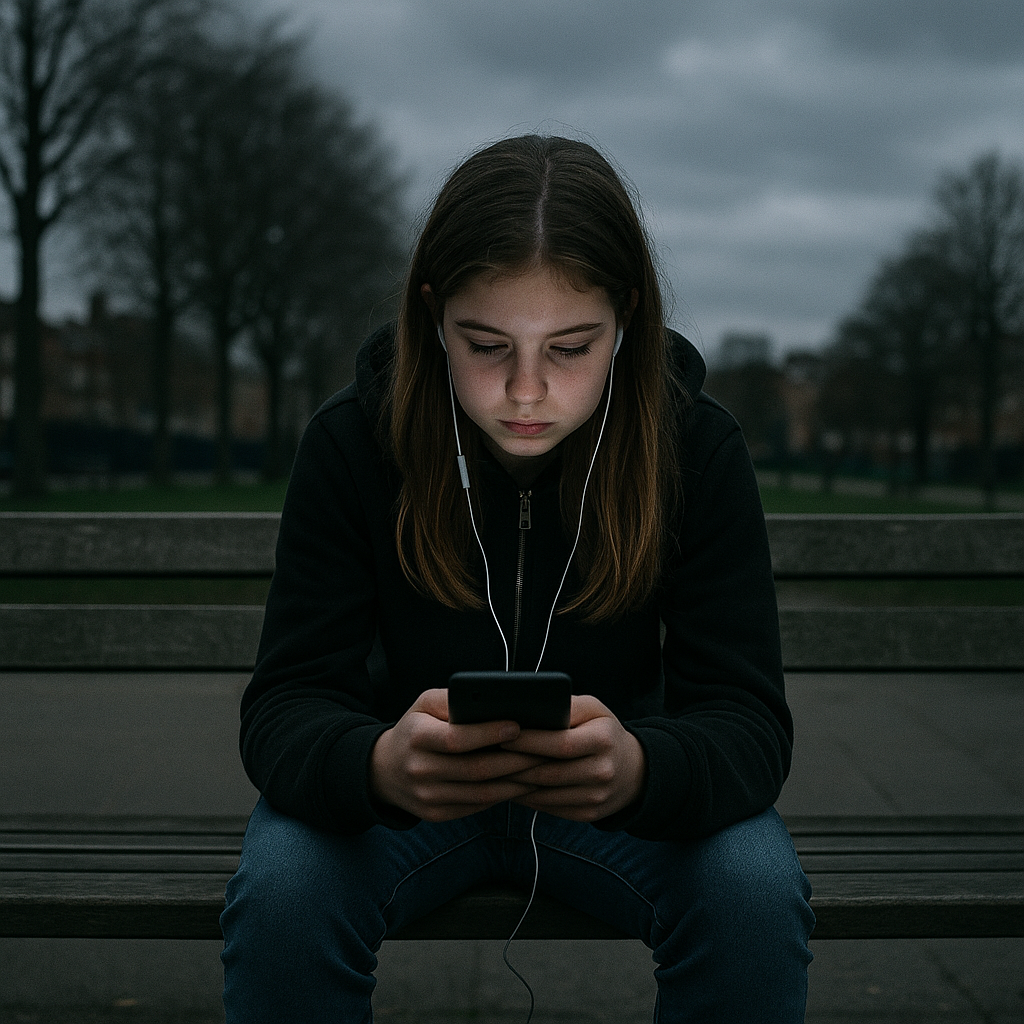
    Person sitting alone in an urban park at dusk reflecting the emotional weight of the global mental health crisis
    Person sitting alone in an urban park at dusk reflecting the emotional weight of the global mental health crisis

    Post-Pandemic Aftershocks Are Still Being Felt

    The psychological damage inflicted by the Covid-19 pandemic did not simply evaporate when restrictions lifted. Prolonged isolation rewired social habits for many people, particularly younger adults who spent formative years cut off from peers, workplaces, and the ordinary texture of social life. Grief remained unprocessed. Burnout, especially among healthcare workers and teachers, became chronic rather than acute.

    Research published across several countries in the past two years consistently shows elevated rates of post-traumatic stress, complicated grief, and social anxiety that are directly traceable to the pandemic period. What makes this especially challenging is that many people experiencing these symptoms do not recognise them as connected to events that feel, on the surface, like ancient history. The body and mind keep their own timelines.

    Economic Anxiety and the Cost of Living

    It is impossible to talk about the global mental health crisis without addressing money. Financial insecurity is one of the most reliably powerful drivers of psychological distress in the research literature, and the cost-of-living pressures that began building in the early 2020s have not resolved. In the UK, housing costs relative to income remain at generational highs. Young people in particular feel locked out of stability, with homeownership, pension security, and even basic savings feeling increasingly out of reach.

    The relationship between financial stress and mental health is bidirectional. Anxiety and depression reduce productivity and decision-making capacity, which in turn worsens financial situations. This feedback loop is especially brutal for people without a safety net. Citizens Advice in the UK reported a continued surge in people seeking help for debt-related mental health crises well into this year, and similar patterns are visible across the US, Australia, and much of Europe.

    Hands resting on a journal beside a switched-off smartphone illustrating the personal impact of the global mental health crisis
    Hands resting on a journal beside a switched-off smartphone illustrating the personal impact of the global mental health crisis

    Social Media and the Psychological Toll of Constant Comparison

    Social media deserves scrutiny here, though the picture is more nuanced than either its fiercest critics or most ardent defenders tend to acknowledge. The evidence that heavy social media use correlates with poorer mental health outcomes, particularly in teenage girls, has strengthened considerably over recent years. Platforms built around curated self-presentation and engagement-driven algorithms create environments optimised for comparison and emotional reactivity, not for wellbeing.

    That said, social media is also a lifeline for people in rural or isolated communities, for those with minority identities, and for anyone whose support network is geographically scattered. The challenge is not simply switching off, but redesigning how these platforms operate. Several European countries have moved to impose stricter age verification and usage limits for under-16s, and the debate around algorithmic transparency is finally moving from academic papers into actual legislation.

    There is an interesting parallel in how we manage our physical environments versus our digital ones. Choices about how we design our homes, even something as mundane as selecting vertical blinds to control light and create a calm, focused space, reflect a growing awareness that our surroundings shape our mood. The same principle needs to apply to the digital spaces we inhabit daily.

    What Resources and Policy Changes Are Emerging?

    There are genuine reasons for cautious optimism in how the global mental health crisis is being addressed at a policy level. The World Health Organisation has significantly expanded its mental health investment framework, urging member states to allocate at least five per cent of health budgets to mental health services. Several countries, including New Zealand, Portugal, and Scotland, have introduced or extended mental health legislation that moves away from purely reactive crisis intervention toward community-based, preventative care.

    In the UK, the NHS Long Term Workforce Plan includes commitments to expand the psychological therapies workforce, and waiting times for talking therapies, while still far too long, have begun to shorten in some regions. Workplace mental health has moved from a HR buzzword into something approaching legal obligation, with updated duty-of-care guidance placing greater responsibility on employers to actively monitor and support staff wellbeing.

    Peer support networks, crisis text lines, and app-based therapy tools have scaled considerably. These are not replacements for clinical care, but they do serve as accessible first points of contact for people not ready or able to engage with formal services. Organisations like Mind, Samaritans, and their international equivalents have continued to adapt their outreach, meeting people where they are rather than waiting for them to knock on a clinic door.

    What Needs to Happen Next

    The honest answer is that incremental improvements will not be sufficient. The global mental health crisis requires sustained structural investment, not just in clinical services but in the social determinants of mental health: housing security, economic opportunity, community belonging, and digital environments that do not systematically erode self-worth. Governments, tech companies, employers, and communities each have a role to play. The encouraging thing is that the conversation has finally, genuinely begun. Whether the political will follows is the question Oskar and I will keep watching closely.

    Frequently Asked Questions

    What is causing the global mental health crisis in 2026?

    A combination of factors is responsible, including the lasting psychological effects of the Covid-19 pandemic, persistent economic anxiety driven by high living costs, and the mental health impact of social media algorithms. These pressures often compound each other, making the overall burden significantly heavier than any single cause would suggest.

    How does social media affect mental health?

    Heavy social media use has been linked to increased rates of anxiety, depression, and low self-esteem, particularly among teenagers. Platforms designed around comparison and algorithmic engagement can reinforce negative thinking patterns, though they also provide valuable community connection for isolated individuals. The key concern is platform design rather than connectivity itself.

    What mental health support is available in the UK in 2026?

    NHS Talking Therapies remains the primary route to free psychological support in England, with referral available through your GP or via self-referral in many areas. Organisations like Mind, Samaritans, and Shout (crisis text line) offer additional free support. Workplace mental health provision has also expanded, with employers increasingly required to offer structured wellbeing support.

    Are governments doing enough to address the mental health crisis?

    Progress has been made in terms of awareness and legislation, but most public health experts argue that funding and structural investment remain inadequate relative to the scale of need. The WHO has called on member states to dedicate at least five per cent of health budgets to mental health, a target most countries have not yet reached.

    What can individuals do to protect their mental health right now?

    Practical steps include limiting passive social media scrolling, maintaining regular sleep patterns, staying physically active, and nurturing real-world social connections. Seeking help early rather than waiting for a crisis is consistently shown to improve outcomes. Accessing free resources like talking therapies, peer support apps, or crisis lines is a legitimate and sensible starting point.

  • How Local Apps Are Quietly Transforming UK High Streets

    How Local Apps Are Quietly Transforming UK High Streets

    If you care about the future of your high street, you should be paying attention to local apps for town centres. Across the UK, a quiet digital shift is changing how we discover shops, support independents and plan our days out – and it is happening in your pocket.

    Why local apps for town centres are suddenly everywhere

    For years we have heard the story that the high street is dying. Yet look closer and a different picture is emerging. Councils, business improvement districts and traders are experimenting with local apps for town centres to pull people back into real places, not just screens.

    These apps typically bundle together listings for independent shops, food and drink, markets, cultural events and practical info like parking or public transport. Some add loyalty points, click and collect, or push notifications for flash offers. Platforms such as TownCentre.app are part of this new wave of tools trying to stitch digital habits back into physical streets.

    From Oli and Oskar’s perspective as unapologetic high street lurkers, the most interesting thing is not the tech itself, but how it reshapes behaviour: fewer aimless scrolls, more intentional trips into town with a clear plan of where to go and what to try.

    What makes a good town centre app actually useful?

    Not every experiment works. Some apps launch with a flourish, then slowly fade from home screens. The ones that stick tend to nail three things:

    • Genuinely comprehensive listings – not just the usual chains, but the quirky independents, pop ups and community venues you would otherwise miss.
    • Up to date information – opening hours, menus, events and offers that reflect reality, not last summer’s launch.
    • Real local personality – photos, stories and recommendations that feel like they were written by people who actually live there.

    When local apps for town centres get this right, they become the digital front door to a place. Tourists use them to orient themselves, residents use them to break out of their routines, and small businesses finally get a way to be discovered without needing a huge marketing budget.

    How these apps are changing behaviour on the high street

    There are three subtle but important shifts Oli and Oskar keep seeing whenever a town seriously embraces a well designed app.

    1. From random wandering to purposeful visits

    Instead of drifting into town and hoping for the best, people arrive with a mini itinerary. They have spotted a new coffee shop, a late opening bookshop and an evening event, and they plan a route that links them all. That means longer dwell times and more varied spending.

    2. From big brands to hidden independents

    Search results in a global map app will always favour whoever can pay to be most visible. Local platforms level the playing field. A tiny vegan bakery, a repair cafe or a makers’ market can appear right alongside the big names. The result is more money circulating within the local economy.

    3. From passive consumers to active neighbours

    Good apps do not just list businesses – they surface volunteering opportunities, local campaigns and community events. The line between shopper and citizen blurs a little, and town centres feel less like shopping machines and more like shared spaces again.

    What towns need to get right next

    There is still plenty to figure out. Local apps for town centres only work if they are easy for traders to update, affordable to maintain and properly promoted in the real world with signage, window stickers and word of mouth. They also need to stay inclusive for people who are not glued to their phones, with printed maps or noticeboards mirroring the same information.

    As Oli and Oskar see it, the most exciting future is not digital replacing physical, but digital quietly supporting the streets we already love. If your town has a fledgling app, it is worth downloading, poking around and actually using it. If it does not, the conversation about what one could look like is a powerful way to start reimagining your high street.

    The high street story is not finished. It is being rewritten, screen in hand, one local decision at a time.

    Busy UK town centre market scene with a shopper checking local apps for town centres
    Independent shop owner on a UK high street benefiting from local apps for town centres

    Local apps for town centres FAQs

    What are local apps for town centres?

    Local apps for town centres are mobile apps that bring together information about shops, food and drink, services, events and practical details in a specific town or city centre. They aim to make it easier for residents and visitors to discover what is nearby, support independent businesses and plan trips into town more efficiently.

    How do local apps for town centres help small businesses?

    These apps give small businesses a shared digital shop window without each one needing to build and maintain their own complex online presence. They can list opening hours, menus, offers and events in one place where locals are already looking, helping them reach new customers and encouraging repeat visits through loyalty schemes or notifications.

    Do I need to live in a big city to use local apps for town centres?

    No. Local apps for town centres are increasingly being developed for smaller towns and suburban high streets, not just major cities. Many are driven by councils, business groups or community projects that want to highlight local traders and events, so it is worth checking if your nearest town already has one or is planning a launch.

  • Why Deepfake Scams Are Exploding And How To Spot Them

    Why Deepfake Scams Are Exploding And How To Spot Them

    Oli here, with Oskar peering over my shoulder, and today we are diving into something that suddenly feels everywhere: deepfake scams. From fake celebrity investment videos to cloned voices demanding urgent bank transfers, the line between real and fabricated has never been thinner.

    What are deepfake scams and why are they exploding?

    Deepfakes are synthetic audio or video clips created using artificial intelligence to mimic real people. In the early days, they needed serious computing power and technical skill. Now, off-the-shelf tools and apps can generate convincing fakes in minutes, which is why deepfake scams are spreading so quickly.

    Scammers use cloned voices, faces and even mannerisms to trick people into sending money, sharing passwords, or revealing sensitive information. The tech has improved faster than most people’s ability to recognise it, and that gap is exactly where criminals thrive.

    How deepfake scams work in real life

    To understand the threat, it helps to look at how these cons actually unfold. Oskar has been tracking the most common patterns:

    • CEO voice scams: An employee gets a call that sounds exactly like their boss, urgently asking for a confidential transfer. The number may even be spoofed to look genuine.
    • Family emergency calls: A parent receives a panicked phone call from what sounds like their child, claiming to be in trouble and needing money immediately.
    • Fake celebrity endorsements: A video appears on social media showing a familiar public figure praising a new investment, crypto platform or miracle product.
    • Romance and dating cons: Scammers enhance or entirely fabricate video calls to appear more trustworthy or to pretend to be someone else.

    In each case, the scam relies on emotion and urgency. The tech is impressive, but the psychology is classic: rush people so they do not stop to think.

    Red flags that a deepfake might be targeting you

    You do not need to become a digital forensics expert to protect yourself from deepfake scams. A handful of practical red flags can go a long way:

    • Odd eye and face movement: Blinking that seems off, eyes not quite tracking naturally, or expressions that do not match the words.
    • Strange audio quality: The voice may sound slightly robotic, with odd pauses or unnatural emphasis, especially on certain words or names.
    • Low resolution or compression: Scammers often use slightly blurred or compressed video, which conveniently hides the glitches.
    • Refusal to switch channel: If someone will not move from one app to a normal phone call, or refuses a quick video chat from another angle, be suspicious.
    • High pressure and secrecy: Demands to act immediately, keep things confidential, or bypass normal procedures are classic warning signs.

    Practical ways to protect yourself from deepfake scams

    Oli’s rule of thumb: never rely on a single channel of communication when money or sensitive data is involved. Here are simple habits that make a huge difference:

    • Use a second verification step: If your “boss” calls about a transfer, hang up and call them back on a known number. If a family member sounds in trouble, message them separately or contact another relative.
    • Agree code words with loved ones: Families can set a simple phrase or question that only they know, to confirm identity in emergencies.
    • Slow everything down: Say you need 10 minutes to check something. Genuine people will understand. Scammers will push harder.
    • Follow official processes at work: Stick to documented approval chains for payments, even if a senior person appears to be insisting otherwise.
    • Be sceptical of viral videos: Treat sensational clips of politicians, celebrities or business leaders as suspect until verified by trusted news outlets.

    What governments and platforms are doing about deepfake scams

    Policymakers are scrambling to catch up. Many countries are exploring rules that would require clear labelling of AI-generated media, especially in political advertising and financial promotions. Social platforms are rolling out tools to detect and flag suspected fakes, although the tech is still far from perfect.

    There is also a growing push for companies to protect employees with training on these solutions, particularly in finance, HR and customer support roles. The idea is to treat synthetic media as a standard security risk, just like phishing emails.

    Two friends researching online how to protect themselves from deepfake scams
    Office worker verifying a suspicious payment request to avoid deepfake scams

    Deepfake scams FAQs

    How common are deepfake scams now?

    Deepfake scams are still less common than traditional phishing emails or text fraud, but they are growing quickly as the tools become cheaper and easier to use. Criminals are starting to combine voice cloning, video fakes and number spoofing, which makes the attacks feel very convincing. You are most likely to encounter them in high value situations, such as business payments, investment pitches or urgent family money requests.

    Can normal people realistically spot deepfake scams?

    Yes, in many cases. While the technology is improving, most deepfake scams still have small giveaways: slightly off lip sync, strange lighting, odd pauses in speech, or a refusal to switch to another communication channel. The strongest defence is not perfect detection, but process: always verify important requests through a second trusted route before acting.

    What should I do if I think I have been targeted by a deepfake scam?

    First, stop all communication with the suspected scammer and do not send any money or personal details. Take screenshots or recordings if possible, then contact your bank immediately if financial information was shared. Report the incident to the relevant fraud reporting service in your country and to the platform where the deepfake appeared. Sharing your experience can help others recognise similar deepfake scams in future.

  • Why Everyone Is Talking About Deepfake Election Ads

    Why Everyone Is Talking About Deepfake Election Ads

    Oli and Oskar here, diving into a story that feels like it has leapt straight out of science fiction: the rapid rise of deepfake election ads. They are slick, convincing, and increasingly hard to spot – and they are already changing how campaigns are fought and how voters see the world.

    What are deepfake election ads, really?

    Deepfakes use artificial intelligence to copy a person’s face, voice, or mannerisms and then generate new video or audio that looks and sounds real. When you plug that into political messaging, you get deepfake election ads: clips that appear to show a candidate saying or doing things they never actually did.

    Some are obvious satire, but the worrying ones are subtle: a slightly altered speech, a fabricated phone call, a short clip timed to drop just before a big vote. In an age where most of us scroll quickly and rarely double check sources, a convincing 20 second video can do serious damage.

    Why deepfake election ads are so dangerous

    The real threat is not just that people might believe one fake clip. It is that repeated exposure to manipulated content undermines trust in everything. If any video could be fake, then every video becomes questionable. That is a gift to anyone who wants to dismiss genuine evidence as fabricated.

    There are three big dangers that keep experts awake at night. First, targeted disinformation: tailored videos designed to inflame specific groups of voters. Second, last minute smears: a fake scandal dropped hours before polls open, leaving no time for fact checking. Third, plausible deniability: real recordings can be brushed off as deepfakes, giving politicians a handy escape hatch.

    How easy is it to make a deepfake now?

    Only a few years ago, you needed serious computing power and technical skills to generate a passable fake. Now, user friendly tools can create eerily convincing results from a handful of photos and a few minutes of audio. Quality still varies, but the trend is clear: the barrier to entry is falling fast.

    Campaigns do not even need to produce the videos themselves. Supporters, trolls, or foreign actors can do the dirty work, while official teams keep their hands technically clean. That creates a murky ecosystem where responsibility is hard to pin down and accountability is even harder.

    Can we spot and stop deepfake election ads?

    Governments and tech platforms are scrambling to respond, but they are playing catch up. Some countries are pushing rules that require political ads to disclose when AI has been used. Others are considering outright bans on synthetic media in campaign material. The challenge is writing laws that are tough on deception without crushing satire, art, or legitimate commentary.

    On the tech side, researchers are developing tools to detect manipulated content by looking for tiny inconsistencies in lighting, reflections, or audio patterns. Platforms are experimenting with labels and automated filters. But detection is an arms race: as the tools improve, so do the fakes.

    What voters can do right now

    While the law and technology catch up, ordinary voters are the last line of defence. A few simple habits can make a big difference. Be sceptical of emotionally explosive clips that appear from nowhere, especially close to an election. Check whether reputable outlets are covering the same story. Look for the original source of a video, not just a repost.

    It also helps to slow down. Deepfake election ads thrive on speed and outrage. If you pause before sharing, you cut off a major route for misinformation to spread. Talk to friends and family about the existence of deepfakes too – awareness alone makes people less likely to be fooled.

    The future of truth in politics

    We are heading into a period where seeing is no longer believing by default. That sounds bleak, but it could also push us towards healthier habits: checking sources, valuing trustworthy journalism, and demanding transparency from platforms and politicians alike.

    Conceptual image contrasting real footage and AI tools used to create deepfake election ads
    Journalists in a newsroom tracking misinformation and deepfake election ads during a campaign

    Deepfake election ads FAQs