Something has quietly shifted. Not overnight, not with a single scandal, but gradually and then all at once. The platforms that once felt indispensable, the ones we checked before getting out of bed and scrolled through last thing at night, are starting to feel less like town squares and more like places you visit out of habit rather than genuine pleasure. Social media decline 2026 is no longer a contrarian hot take. It is a measurable, documented, increasingly hard-to-ignore reality.
Trust in the major platforms has been eroding for years, but this year it feels like something has actually broken. Meta, X (formerly Twitter), TikTok and YouTube are all facing a version of the same problem: users are tired, advertisers are nervous, and regulators on both sides of the Atlantic are finally sharpening their tools. The question is whether this is a genuine structural unravelling, or just another cycle of outrage before everyone logs back on.
Why Trust in Big Social Platforms Has Collapsed
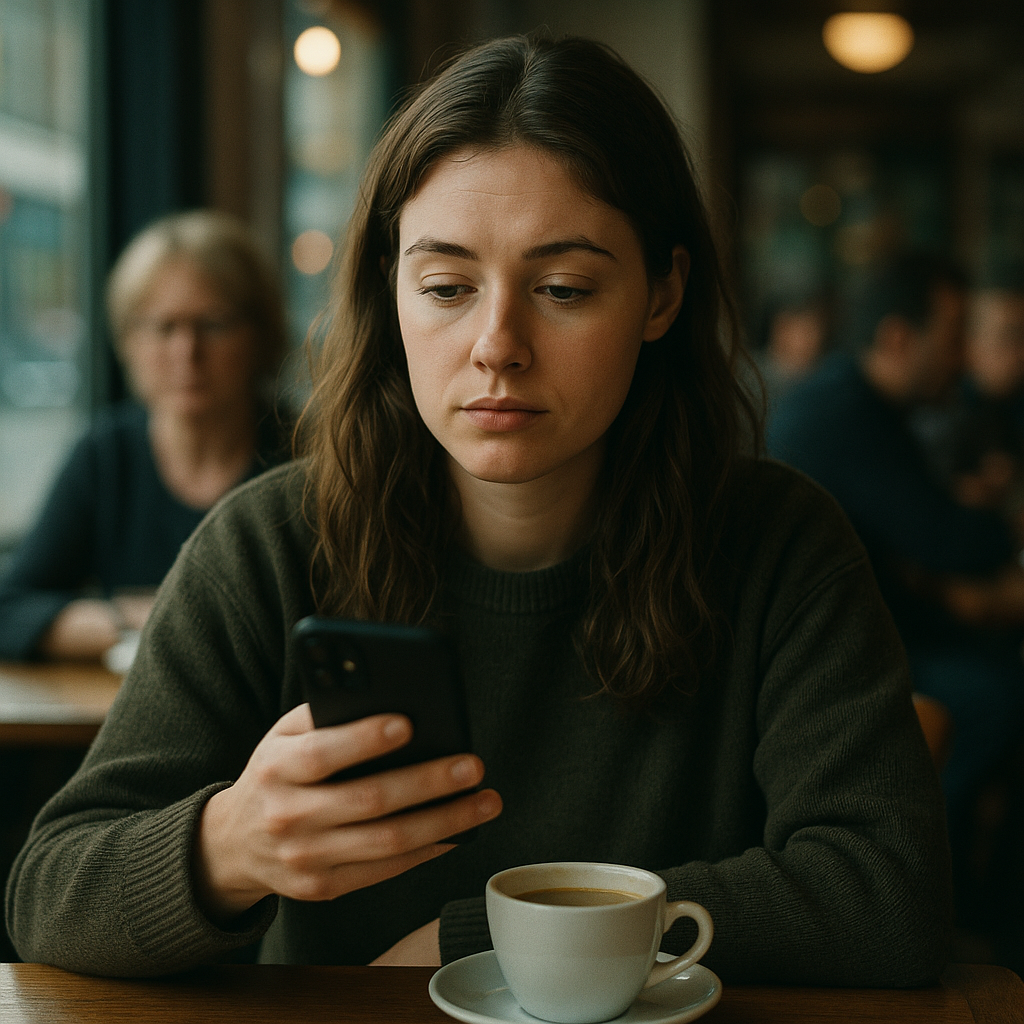
The trust issue did not appear from nowhere. It has been building through a series of failures, each one chipping away at the credibility these platforms spent years constructing. Misinformation during elections, algorithmic amplification of extremist content, data harvesting scandals, and the mental health fallout from addictive design choices have all piled up. In the UK, the Online Safety Act, which received Royal Assent in late 2023 and has been rolling out its provisions through 2025 and into 2026, represents one of the most significant legislative attempts to hold platforms accountable. Ofcom has been issuing guidance and enforcement notices, and platforms that once felt untouchable are now genuinely nervous about compliance.
A YouGov survey from early 2026 found that fewer than one in three British adults described themselves as trusting the information they see on social media. That is a remarkable figure. It means the majority of users are scrolling through content they actively distrust, which raises an obvious question: why are they still there? Habit, partly. Network effects, definitely. But the grip is loosening.
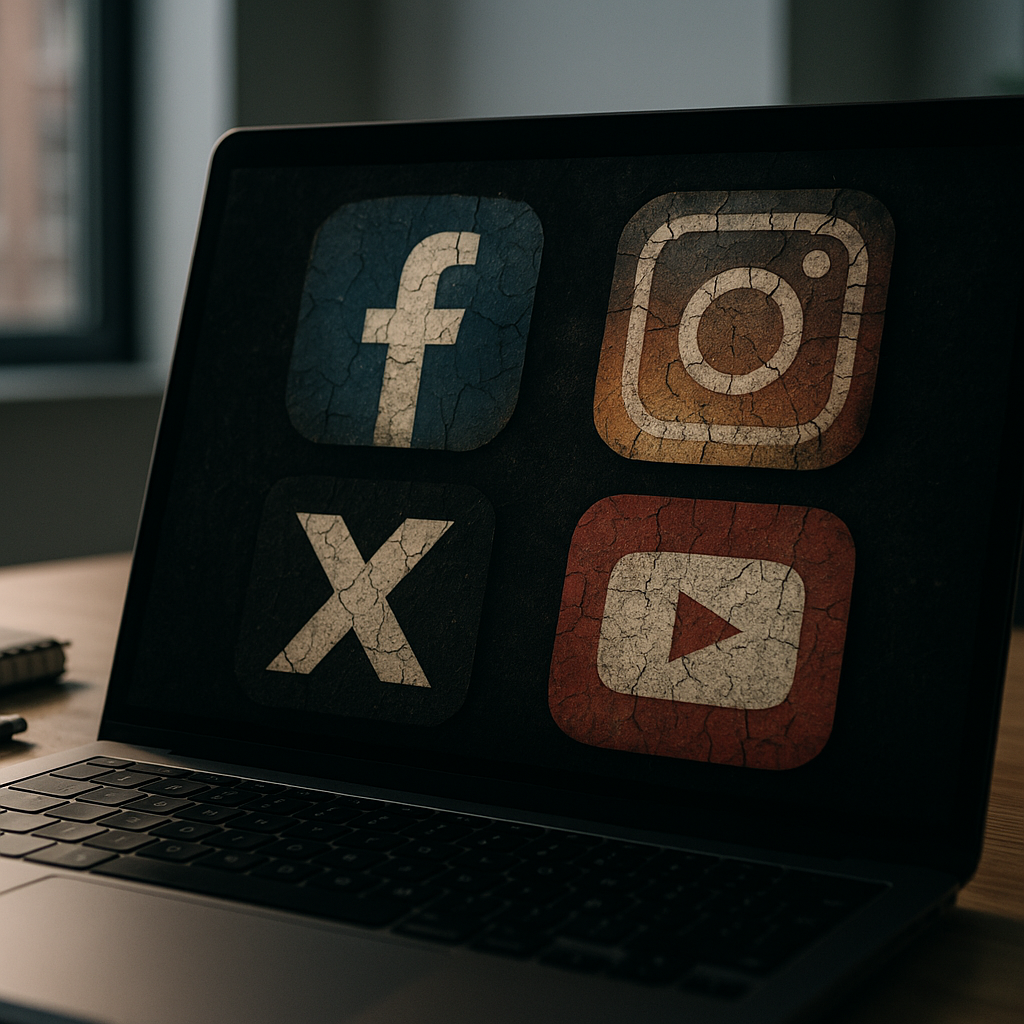
X has arguably suffered the most dramatic reputational collapse. Since Elon Musk’s takeover, advertisers including major UK brands have paused or reduced spending, fact-checking infrastructure has been dismantled, and the platform has developed a reputation for being a home for inflammatory content. Monthly active users in the UK have been declining steadily. Meanwhile, Meta’s Facebook continues to haemorrhage younger users, even as Instagram and Threads attempt to pick up the slack.
Regulatory Pressure: Europe and the UK Turn Up the Heat
The regulatory environment around social media has changed fundamentally. The EU’s Digital Services Act, fully enforced since 2024, requires very large online platforms to conduct risk assessments, audit their algorithms, and give users more control over what they see. The penalties are substantial, up to six per cent of global annual turnover for serious violations. For a company the size of Meta, that is a number that commands attention in board meetings.
In the UK, Ofcom has been building out its regulatory capacity under the Online Safety Act framework. The emphasis on protecting children has been particularly pointed. Following years of campaigning by families, inquest findings linking social media to the deaths of young people, and the relentless pressure of figures like Molly Russell’s father Ian Russell, the government has moved further than many predicted. Age verification requirements, duty of care obligations, and new rules around recommender systems are all either live or imminent.
The platforms are responding, though cynics would argue they are responding to legal liability rather than genuine concern. TikTok has introduced default screen time limits for under-18s. Instagram has launched teen account settings that restrict certain features. Whether these measures are meaningful or mostly performative is a debate that will run for years, but the direction of travel is clear. The era of unchecked platform self-regulation is over. You can read more about Ofcom’s ongoing work on platform accountability at ofcom.org.uk.
Are the Alternatives Actually Any Better?
This is where it gets interesting. The narrative around social media decline 2026 would be cleaner if there were obvious, thriving replacements. The reality is messier.
Bluesky, the decentralised platform that gained enormous attention during Twitter’s chaotic post-acquisition period, has grown to tens of millions of users globally, with a meaningful and vocal UK contingent, particularly among journalists, academics and policy people. It feels different: less algorithmically manipulative, more chronological, with genuine moderation tools that communities can apply themselves. But it has not cracked mass adoption. It remains, for now, a platform for a particular kind of engaged, text-heavy user.
Mastodon and the broader Fediverse have similar appeal and similar limitations. Threads, Meta’s Twitter rival, has user numbers that look impressive on paper but engagement figures that suggest most people signed up, poked around, and left. Substack has become a genuine home for long-form journalism and newsletters, with many UK writers building sustainable independent audiences there. It is less social network and more publishing platform, but it represents a meaningful shift in how news and commentary is consumed.
Podcasts, newsletters, and Discord communities are arguably the real winners of the trust collapse. People are retreating into smaller, more curated spaces where the signal-to-noise ratio feels manageable. Oli and I have both noticed this personally: the conversations that feel most alive are happening in group chats, on Discord servers, in email inboxes, not on the feeds of billion-user behemoths.
How People Are Actually Consuming News in 2026
The Reuters Institute Digital News Report has consistently shown that social media as a gateway to news has been declining for several years. In 2026, that trend has accelerated. More people in the UK are going directly to news websites, listening to podcasts, or relying on messaging apps like WhatsApp to share articles with trusted contacts. The broadcast model, where an algorithm decides what millions of people see simultaneously, is losing ground to a more fragmented, personalised, and frankly more human approach.
That fragmentation brings its own problems. Filter bubbles did not disappear when people left Twitter; they potentially got tighter. But there is something to be said for a media environment where people are making more active choices about what they consume, rather than passively absorbing whatever an engagement-optimised algorithm serves up.
So Is This the Beginning of the End?
Probably not a sudden end, no. These platforms are enormous, deeply embedded in commerce, culture and communication. Meta alone generated over £110 billion in global revenue in 2025. They are not going anywhere fast. But the relationship between platforms and users is being renegotiated, and for the first time in about fifteen years, that renegotiation is happening on terms that are not entirely dictated by the platforms themselves.
Social media decline 2026 does not mean the internet goes dark. It means something potentially more significant: the unquestioned dominance of a handful of Silicon Valley companies over how the world communicates is, slowly but unmistakably, beginning to crack. What comes next is genuinely uncertain. But the fact that it is uncertain, after years of feeling completely inevitable, feels like progress.
Frequently Asked Questions
Is social media actually declining in 2026 or is it just a media narrative?
The decline is real but uneven. Platforms like X have seen measurable drops in UK active users and advertiser confidence, while Facebook continues to lose younger audiences. Overall time-on-platform metrics have softened across most major networks, though TikTok and YouTube remain more resilient than text-based platforms.
What is the Online Safety Act and how does it affect social media platforms in the UK?
The Online Safety Act places a legal duty of care on platforms to protect users, particularly children, from harmful content. Ofcom enforces it and can issue fines and, in serious cases, block access to platforms in the UK. Platforms are now required to conduct risk assessments and take proactive steps rather than simply reacting to reported content.
What are the best alternatives to Twitter and Facebook in 2026?
Bluesky has emerged as the most credible text-based alternative, particularly popular among UK journalists and public figures. Mastodon offers a decentralised option for those concerned about data privacy. For news specifically, Substack newsletters and podcasts have become genuinely popular replacements for social media feeds.
Why are advertisers pulling money from social media platforms?
Brand safety concerns are the primary driver. Advertisers do not want their products appearing alongside misinformation, extremist content, or controversial political commentary. Several major UK brands paused X spending after the Musk takeover, and the pattern of caution has spread to other platforms as regulatory scrutiny intensifies.
Are young people actually leaving social media?
The picture is nuanced. Many young people in the UK are reducing time on platforms like Instagram and Snapchat whilst migrating toward private spaces like Discord, BeReal, and group chats. Ofcom’s own research shows a notable drop in teenagers describing social media as their primary source of news and connection compared to five years ago.