
There is something undeniably thrilling about the idea of leaving Earth. Most of us have stared up at a clear night sky at some point and felt that tug. But space tourism in 2026 is no longer just a fantasy confined to science fiction or the fever dreams of tech billionaires. It is a functioning, growing, deeply controversial industry, and it is worth taking a proper look at what is actually happening up there, who is bankrolling it, and whether any of this is remotely defensible given everything happening down here.
The short version: tickets are still eye-wateringly expensive, the environmental picture is murkier than the PR suggests, and the ethical questions are only getting louder. But the rockets are still launching, the bookings are still being taken, and the industry is not slowing down.
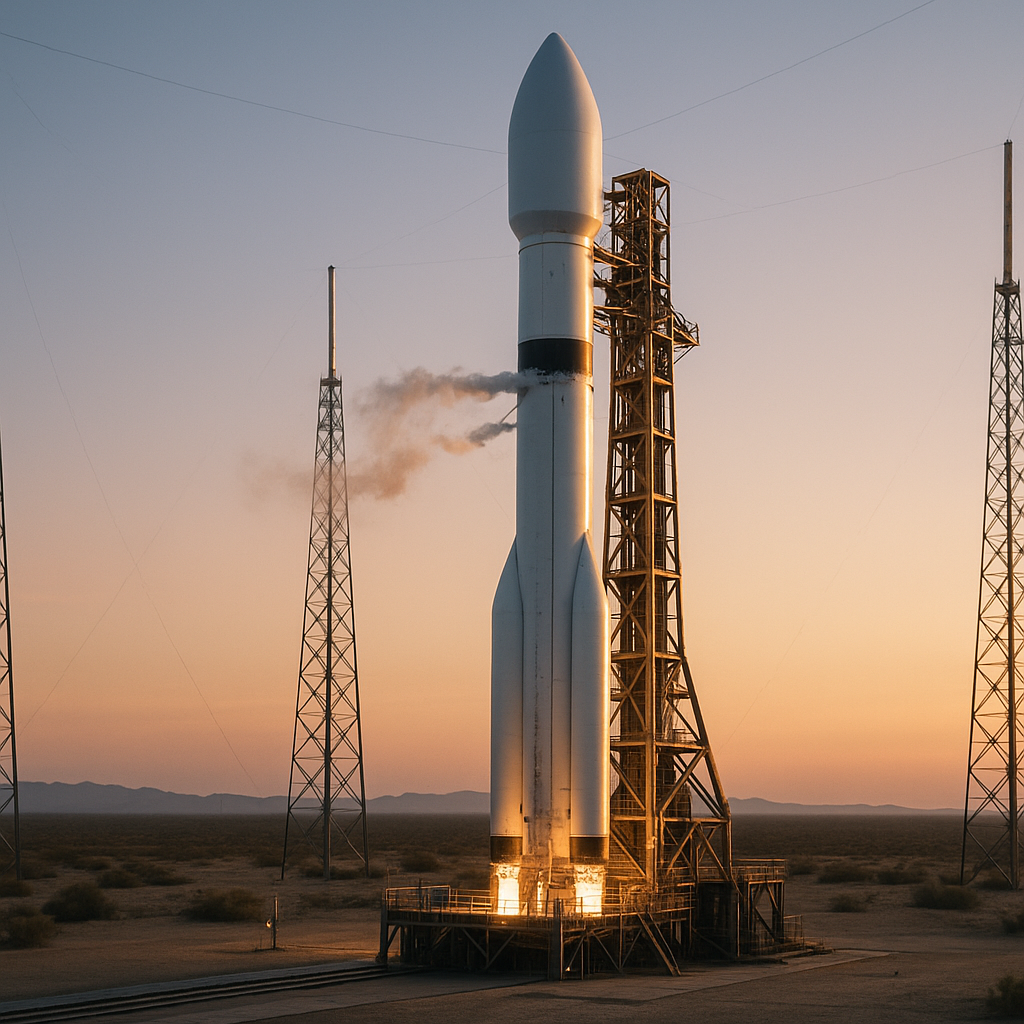
The Main Players in Space Tourism 2026
Three names dominate this space (pun very much intended). Virgin Galactic, SpaceX, and Blue Origin are the headline acts, though they are operating in quite different corners of the market.
Virgin Galactic, founded by Sir Richard Branson and headquartered with its eyes firmly on suborbital flights, has been carrying paying passengers on its VSS Unity spaceplane for a few years now. Tickets have hovered around £450,000 per seat, and the experience lasts roughly 90 minutes with about four minutes of actual weightlessness. Whether that constitutes value for money is, to put it gently, a matter of perspective.
SpaceX, Elon Musk’s operation, is operating at a different altitude entirely, literally and figuratively. The Inspiration4 mission a few years back was a milestone, but by 2026 the company has pushed further into orbital tourism, working with private clients who want full orbital stays aboard the International Space Station or, more ambitiously, longer private missions using the Crew Dragon capsule. These are not weekend jaunts. Prices for orbital missions run into tens of millions of pounds per seat.
Blue Origin, Jeff Bezos’s venture, sits closer to the Virgin Galactic end of things, offering suborbital hops aboard the New Shepard rocket. Short, spectacular, expensive. Blue Origin has also been developing its New Glenn orbital rocket, though commercial passenger flights on that system remain further down the road.
Beyond these three, companies like Axiom Space have been building private modules intended to eventually detach from the ISS and operate independently, aiming to create a genuinely commercial space station within this decade.
What Does a Space Tourism Ticket Actually Cost in 2026?
Let us be blunt: this is not something you save up for. A suborbital trip with Virgin Galactic or Blue Origin currently sits somewhere between £400,000 and £600,000 depending on the package. An orbital stay, the kind SpaceX and Axiom can offer, starts at roughly £40 million and climbs sharply from there depending on duration and mission complexity.
For context, the median UK household income is around £35,000 a year, according to the ONS. A suborbital ticket costs more than a British family would earn in a decade. The orbital version is closer to 1,000 years’ worth of median income. That gap is not closing any time soon.
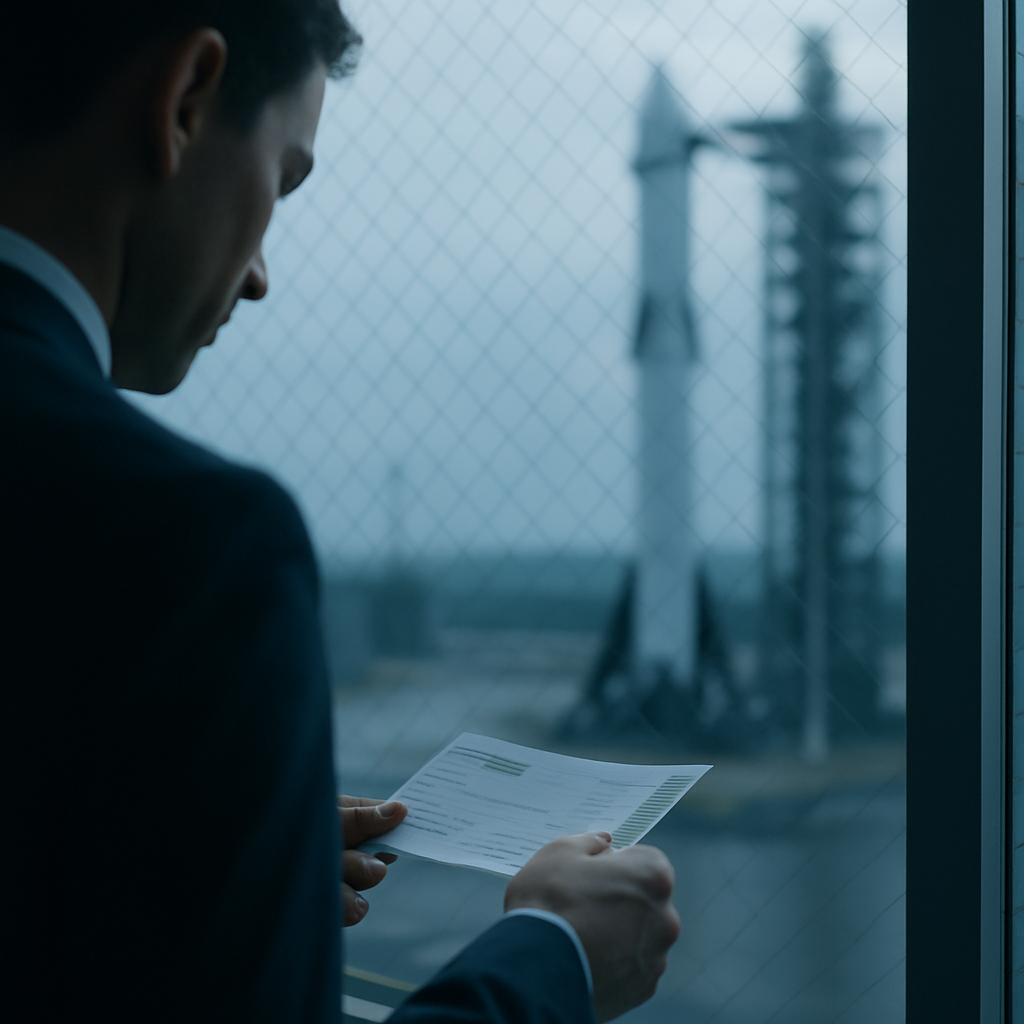
The Environmental Case Against Space Tourism
Here is where things get uncomfortable. Rocket launches are not carbon-neutral. Not even close. A single SpaceX Falcon 9 launch releases around 200 to 300 tonnes of CO2 equivalent, and some propellant combinations produce black carbon soot deposited directly into the upper atmosphere, where it is far more damaging than ground-level emissions. Kerosene-based fuels are particularly problematic in this regard.
Researchers at University College London have published work suggesting that the black carbon from rocket engines has a warming effect per unit mass that is roughly 500 times more potent at stratospheric altitudes than at ground level. The current volume of launches is still relatively small, but the industry is projecting massive growth, and nobody has produced a credible regulatory framework to manage it.
SpaceX’s Starship uses liquid methane and liquid oxygen, which burns cleaner than kerosene but still produces water vapour and some CO2 at altitude. Blue Origin uses liquid hydrogen, which is the cleanest option, but the energy required to produce and liquefy that hydrogen is itself substantial, and often comes from fossil fuel sources.
The UK’s Climate Change Committee has not yet produced specific guidance on commercial space launches, and there is a genuine regulatory vacuum here at both national and international level. That should concern anyone who takes climate commitments seriously.
Is Space Tourism in 2026 Morally Defensible?
This is the question Oli and I keep coming back to, and honestly, it is not a simple one. There are two serious lines of argument.
The first is the whataboutism-adjacent defence: the ultra-wealthy spend money on all sorts of environmentally damaging vanity projects, from superyachts to private jets, and we do not typically legislate their hobbies out of existence. Billionaires buying experiences is not new. The space tourism industry also generates real engineering advances, aerospace jobs, and technology that filters down into satellite communications, weather forecasting, and other public goods.
The second argument, which I find harder to dismiss, is about proportionality and public trust. We are in a period of genuine climate crisis, widening inequality, and stretched public services. Watching the very wealthy literally rocket above the clouds for a few minutes of weightlessness while governments negotiate carbon targets and households struggle with energy bills feels, at minimum, tone-deaf. At worst, it is a vivid symbol of a two-tier world where the rules of ecological responsibility apply to everyone except those who can afford not to follow them.
There is also the question of what space represents culturally. Human spaceflight has historically been framed as exploration, as collective endeavour, as something done in humanity’s name. Reframing it as a luxury amenity for the super-rich is a significant philosophical shift, and not everyone thinks it is a healthy one.
What Comes Next for Commercial Space Travel?
The trajectory is upward, whatever your view on the ethics. Axiom Space’s private modules are edging closer to operational status. Point-to-point suborbital travel, essentially a rocket replacing a long-haul flight, London to Sydney in 45 minutes, is a genuine medium-term ambition several companies are pursuing. Whether it will ever be commercially viable at a scale beyond the top 0.001% is another question entirely.
What is clear is that space tourism in 2026 is neither the democratising dream its proponents claim nor quite the straightforwardly villainous vanity project its fiercest critics suggest. It is a complicated, fast-moving industry sitting at the intersection of genuine technological ambition, extreme inequality, and real environmental risk. Those three things are hard to hold together, and the industry is not doing enough to grapple with them honestly.
We will be watching closely. And for now, our feet remain firmly on the ground.
Frequently Asked Questions
How much does a space tourism ticket cost in 2026?
Suborbital flights with companies like Virgin Galactic or Blue Origin currently cost between £400,000 and £600,000 per seat. Orbital missions with SpaceX or Axiom Space start at around £40 million and can rise significantly depending on the duration and nature of the mission.
Is space tourism bad for the environment?
Rocket launches produce CO2 and black carbon soot, with upper-atmosphere emissions being significantly more damaging per unit than ground-level ones. Research from University College London suggests black carbon at stratospheric altitudes has a warming effect roughly 500 times more potent than at ground level, making the environmental case against mass space tourism a serious one.
Which companies are leading the space tourism industry in 2026?
The main players are Virgin Galactic (suborbital spaceplane flights), Blue Origin (suborbital New Shepard rocket trips), and SpaceX (orbital missions via Crew Dragon). Axiom Space is also a significant force, working towards a fully private commercial space station.
Who is actually going on space tourism trips?
Currently, passengers are almost exclusively ultra-high-net-worth individuals, including entrepreneurs, celebrities, and private investors willing to spend hundreds of thousands to tens of millions of pounds. Some seats on specific missions have also been allocated to researchers or sponsored participants, but the overwhelming majority are paying private customers.
Will space tourism ever become affordable for ordinary people?
Industry advocates argue that ticket prices will fall as technology matures and launch frequency increases, much as commercial aviation once did. However, the capital costs, regulatory hurdles, and inherent complexity of rocketry mean that truly affordable space tourism remains a distant prospect, and most analysts do not see it becoming accessible to the average person within the next two decades.