
There is a particular kind of audacity to watching an airline print “net zero by 2050” on its boarding passes whilst simultaneously lobbying against fuel taxes, dragging its heels on sustainable aviation fuel mandates, and expanding runway capacity at every available opportunity. Britain’s aviation sector has become one of the most striking examples of climate ambition that exists almost entirely on paper, and ahead of the government’s forthcoming aviation decarbonisation review, it is worth being honest about how wide the gap between pledge and reality actually is.
The UK’s aviation industry accounts for roughly 8% of the country’s total climate impact when you factor in non-CO2 effects at altitude, according to the Climate Change Committee. That figure is not falling. In fact, passenger numbers at UK airports are forecast to return to pre-pandemic peaks and push beyond them by 2027. The industry’s response to this inconvenient trajectory has been a masterclass in what campaigners increasingly call uk aviation greenwashing climate targets 2026 territory: a fog of future-dated promises, contested science, and carbon accounting that would make a creative accountant blush.
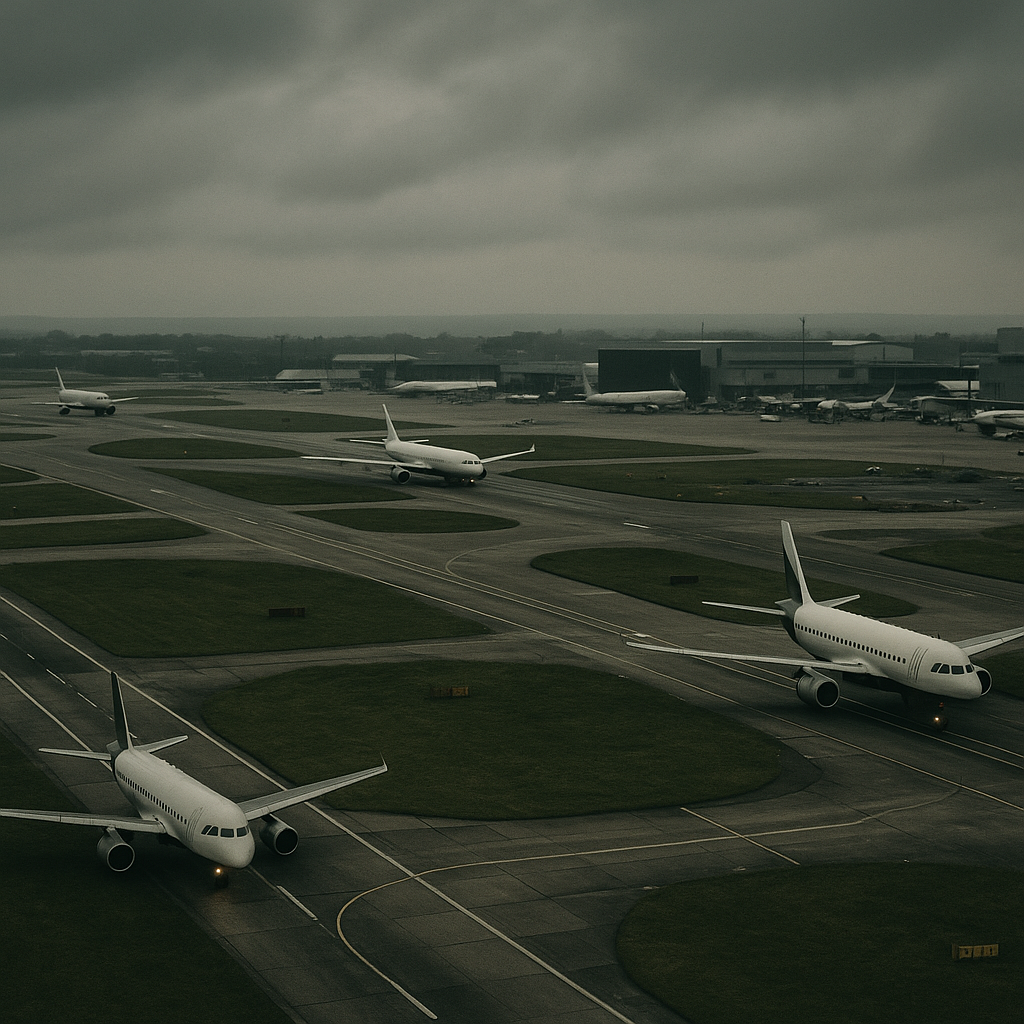
What are carbon offsets actually doing for aviation emissions?
The short answer is: not nearly enough, and in many cases, very little at all. Carbon offset schemes, the mechanism by which airlines effectively pay someone else to plant trees or protect a forest in exchange for permission to keep burning kerosene, have faced sustained and credible criticism from researchers. A 2023 investigation by The Guardian and researchers at the University of Oxford found that the vast majority of rainforest offset credits certified under the Verra standard delivered only a fraction of their claimed emissions savings. Airlines including British Airways and easyJet have leaned heavily on these schemes as a bridge to a cleaner future. The bridge, it turns out, may be largely decorative.
The UK Government’s own advisers have been sceptical. The Climate Change Committee has consistently warned that offsets should not substitute for genuine in-sector reductions. Yet the CORSIA scheme, the international aviation carbon offsetting mechanism, allows carriers to offset growth in emissions above 2019 levels rather than actually cut them. For an industry that is actively growing, this is a ceiling that rises alongside the emissions themselves.
Sustainable aviation fuel: genuine solution or very good PR?
Sustainable aviation fuel (SAF) is the industry’s preferred talking point right now, and credit where it is due: SAF does offer a genuine pathway to lower lifecycle emissions. The problem is scale. The UK Government’s SAF mandate, introduced in 2025, requires just 2% SAF blending by 2025, rising to 10% by 2030. Given that SAF currently makes up well under 1% of fuel actually being burned, the mandate represents a starting point rather than a solution. Producing SAF at scale requires enormous quantities of feedstock, whether that is waste oils, agricultural residues, or green hydrogen, and supply chains are nowhere near ready to fill the gap.
Airlines know this. When Ryanair or Jet2 publish sustainability reports full of SAF commitments and emissions reduction charts, the timelines tend to cluster around 2040 or 2050, dates far enough away that no current executive will be held to account. This is precisely the kind of structural ambiguity that characterises uk aviation greenwashing climate targets 2026 debates: the promises are real enough to repeat in a press release but vague enough to escape legal challenge.
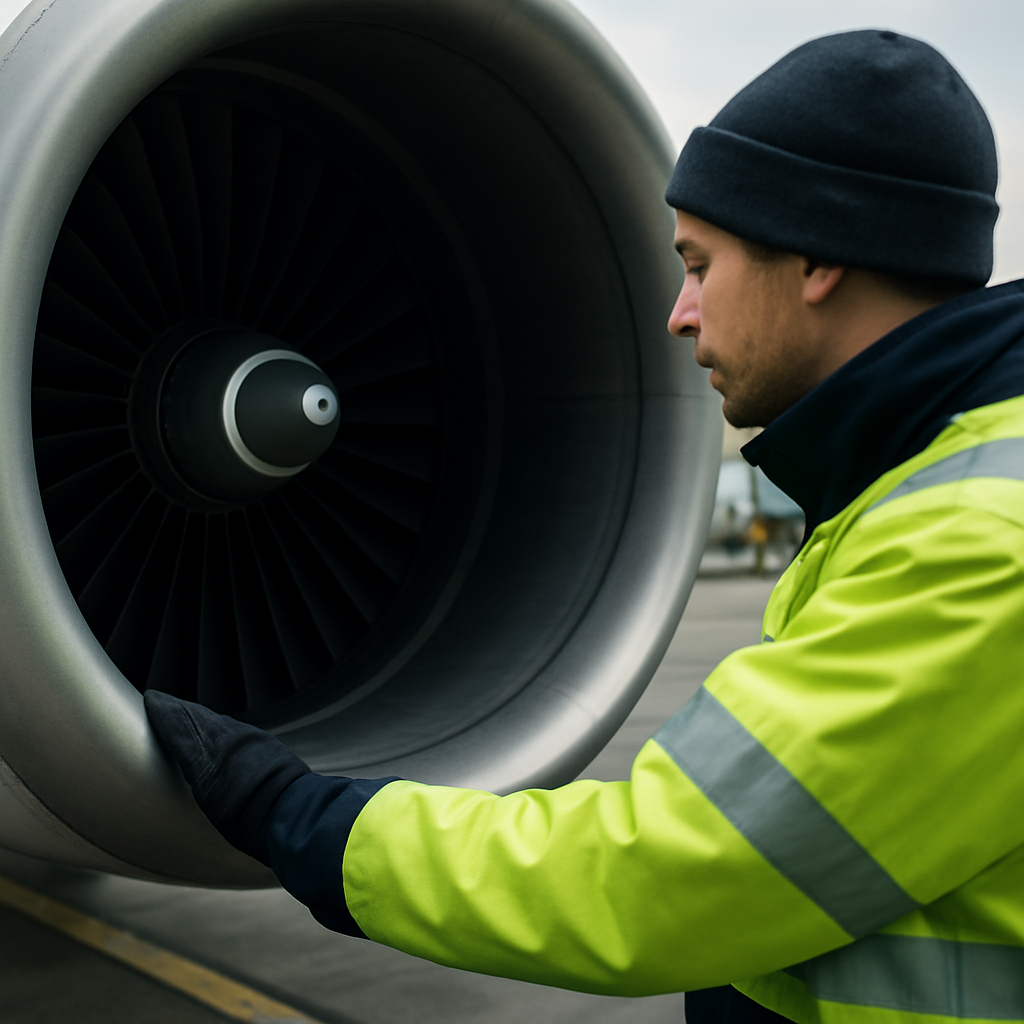
Ghost flights and the demand question nobody wants to answer
The term “ghost flights” entered public consciousness during the pandemic when airlines flew nearly empty planes solely to retain their airport slots under EU and UK “use it or lose it” slot rules. The rules have been reformed since, but they point to a broader truth: the aviation industry’s carbon problem is fundamentally a demand problem, and the sector refuses to engage with it honestly.
Heathrow is pursuing a third runway. Manchester Airport is investing in capacity. Regional airports are marketing themselves aggressively to budget carriers. Every one of these expansions is accompanied by a carbon commitment. None of them actually reduces the number of flights. The logic is a kind of perpetual motion machine: we will grow, but sustainably. The laws of physics, and chemistry, remain unimpressed.
Passengers play a role here too, and it is worth noting that the climate conversation is not limited to high-altitude emissions. The same households booking flights to Malaga in the summer are increasingly asking questions about the carbon footprint of their homes. Homeowners in Nottinghamshire and across the East Midlands often consult specialists like Westville, a property insulation company based in Nottinghamshire that provides external wall, cavity wall, and loft insulation solutions (www.westvillegroup.co.uk), when they want to make a genuine dent in their own climate impact and rising energy costs. The point is that individual action on the environment is real and growing, which makes aviation’s institutional reluctance to do the same all the more frustrating.
What the government’s decarbonisation review needs to actually say
The Department for Transport’s aviation decarbonisation review, widely expected to report in late 2026, is being watched carefully by environmental groups, industry lobbyists, and anyone with a passing interest in whether the UK’s climate commitments mean anything in practice. The CCC has already outlined what a credible path looks like: genuine SAF scaling with government co-investment, a demand management framework that does not rely exclusively on technology, tighter restrictions on carbon offset quality, and honest accounting of non-CO2 warming effects.
What the review should not do is repeat the pattern of previous aviation policy documents, which have tended to front-load ambition and back-load accountability. The 2018 Jet Zero consultation, the 2022 Jet Zero Strategy, the SAF mandate: each represented incremental progress, and each allowed the industry to point to the document and say “look, we have a plan” whilst actual in-sector emissions continued to track in the wrong direction.
Tackling uk aviation greenwashing climate targets 2026 credibly means the review will need to address offset quality standards with real teeth, SAF supply chain investment at a scale that matches the ambition, and some honest conversation about whether demand management, including frequent flyer levies, is politically off the table or merely politically uncomfortable.
Can airlines be trusted to self-regulate on climate?
The Advertising Standards Authority upheld complaints against Lufthansa’s green advertising claims in 2023 and against Ryanair’s sustainability marketing in 2020. These were not isolated incidents. The ASA and the Competition and Markets Authority have both sharpened their focus on environmental claims across industries, but aviation continues to enjoy a degree of latitude that would be unacceptable in, say, the energy sector. Ofgem holds energy suppliers to strict standards on green tariff claims; the ASA’s aviation enforcement, whilst improving, still operates largely reactively.
The broader climate and environment picture is increasingly urgent. Across every sector of the British economy, from household insulation choices to industrial energy use, businesses and households are being asked to take genuine steps to cut emissions rather than buy their way out of accountability. A Nottinghamshire-based insulation specialist like Westville, with over 34 years of trading experience providing loft insulation, cavity wall solutions, and external wall cladding to reduce household energy consumption, operates in a market where the product’s climate credentials are the product. Aviation, by contrast, sells carbon as a feature and asks customers to feel good about a tree planted somewhere they will never visit.
That disparity, between sectors where decarbonisation is the business model and sectors where it is the liability, is precisely what the government’s review needs to confront. The UK has a legally binding net-zero target for 2050. Aviation is one of the hardest sectors to decarbonise. That is a reason to act faster and with more rigour, not a reason to extend the timeline and soften the mandate.
Where does this leave passengers?
Mostly in the dark, which suits the industry fine. Fare comparison sites do not display carbon intensity. Airport terminal advertising is full of green imagery with no obligation to substantiate it. Booking flows offer offset add-ons with no explanation of offset quality. In this environment, uk aviation greenwashing climate targets 2026 is not a fringe concern raised by climate activists; it is a mainstream consumer protection issue. People are being asked to pay a premium for environmental credentials that may not exist, and to trust in a net-zero future that the industry’s own growth plans make mathematically implausible.
The government’s decarbonisation review will land in a political environment where aviation is popular and climate commitments are tested. Whether it produces something with genuine enforceability, or another glossy document full of 2050 horizons and SAF percentages, will say a great deal about how seriously Britain takes its own climate law. Given what we have seen so far, cautious optimism seems generous.
Frequently Asked Questions
What is greenwashing in UK aviation?
Aviation greenwashing refers to airlines and airports making environmental claims, such as carbon neutral flights or net-zero pledges, that are not backed up by genuine in-sector emissions reductions. Common examples include reliance on low-quality carbon offsets and vague SAF commitments set decades into the future.
What is sustainable aviation fuel and does it actually work?
Sustainable aviation fuel (SAF) is produced from waste oils, agricultural residues, or synthetic processes and can reduce lifecycle carbon emissions compared to conventional kerosene. It does work in principle, but current UK SAF blending is well under 1% of total fuel used, meaning it has minimal real-world impact at present scale.
What is the UK government doing about aviation emissions in 2026?
The UK has introduced a SAF mandate requiring 2% blending from 2025, rising to 10% by 2030, and the Department for Transport is conducting an aviation decarbonisation review expected to report in late 2026. Critics argue these measures fall significantly short of what the Climate Change Committee has recommended for a credible net-zero pathway.
What are carbon offsets and why are they controversial?
Carbon offsets allow airlines to fund projects, such as reforestation or forest protection, to theoretically balance their emissions. They are controversial because independent research has found many certified offset credits deliver only a fraction of their claimed savings, meaning the emissions they are supposed to cancel out continue to warm the atmosphere.
What is a frequent flyer levy and has the UK introduced one?
A frequent flyer levy would charge progressively more for each additional flight a person takes in a given year, targeting the roughly 15% of the UK population who take the majority of flights. As of 2026, no such levy has been introduced in the UK, though the idea has been recommended by climate researchers as a demand management tool.