
Tag: cost of living uk

  • The Global Cost of Living Crisis Isn’t Over: Why Prices Are Still Punishing Households in 2026

    The Global Cost of Living Crisis Isn’t Over: Why Prices Are Still Punishing Households in 2026

    If you were hoping 2026 would be the year your weekly shop, energy bill, and rent finally started to feel manageable again, the picture is decidedly mixed. The cost of living crisis 2026 has not ended so much as settled into a new, grimly permanent-feeling shape. Prices are not rising quite as fast as they were in 2022 and 2023, but they have not come down either. For millions of households across the UK and beyond, the baseline has simply shifted upwards and wages, for the most part, have not kept pace.

    The ONS confirmed earlier this year that UK consumer prices remain roughly 23% higher in aggregate than they were in early 2021. That cumulative hit is the real story. Headline inflation figures can look reassuring when they drop to 2 or 3%, but that percentage is measured against already-elevated prices. The cost of a trolley of food, a tank of petrol, or a month’s rent did not reset when inflation slowed down.

    Shopper examining food prices in a UK supermarket during the cost of living crisis 2026
    Shopper examining food prices in a UK supermarket during the cost of living crisis 2026

    Why food costs are still eating into household budgets

    Food is where the squeeze feels most personal. According to the Food Foundation, around 7.2 million adults in the UK experienced food insecurity in the twelve months to early 2026. Supermarket own-brand lines have expanded dramatically as shoppers trade down, and the rise of discount retailers like Aldi and Lidl as mainstream choices rather than fringe options is a quiet indicator of how far expectations have shifted.

    Global factors are still feeding into your trolley. Climate disruption continues to affect harvests across southern Europe, North Africa, and South America. Olive oil prices, for instance, remain historically steep following back-to-back poor Spanish and Italian harvests. Cocoa, coffee, and wheat have all seen sustained price pressure. These are not short-term shocks anymore. They are structural features of a food supply chain being remade by climate volatility.

    UK-specific issues add to the picture. Post-Brexit border friction, higher costs for seasonal agricultural workers, and the end of certain EU farming subsidies have kept domestic food production more expensive than it needs to be. The British Retail Consortium has pointed to these structural pressures repeatedly, noting that UK food inflation has proven stickier than in comparable European economies.

    Energy bills: lower than the peak, but still painful

    Energy was the crisis within the crisis. The Ofgem price cap is no longer at its jaw-dropping 2022 highs, but households are still paying roughly double what they were before the wholesale gas crisis took hold. The average UK household energy bill currently sits around £1,750 per year, which is a significant improvement on the £3,549 cap seen in early 2023 but still a world away from the pre-pandemic norm of around £1,000.

    Warm Home Discount schemes and targeted support payments have helped the most vulnerable, but a substantial chunk of the population falls awkwardly between crisis-level support and genuine financial comfort. The so-called squeezed middle is still, very much, being squeezed. Businesses have it worse in some ways: commercial energy contracts do not enjoy the same cap protections, and many small firms on the high street are still absorbing energy costs that would have seemed unthinkable five years ago.
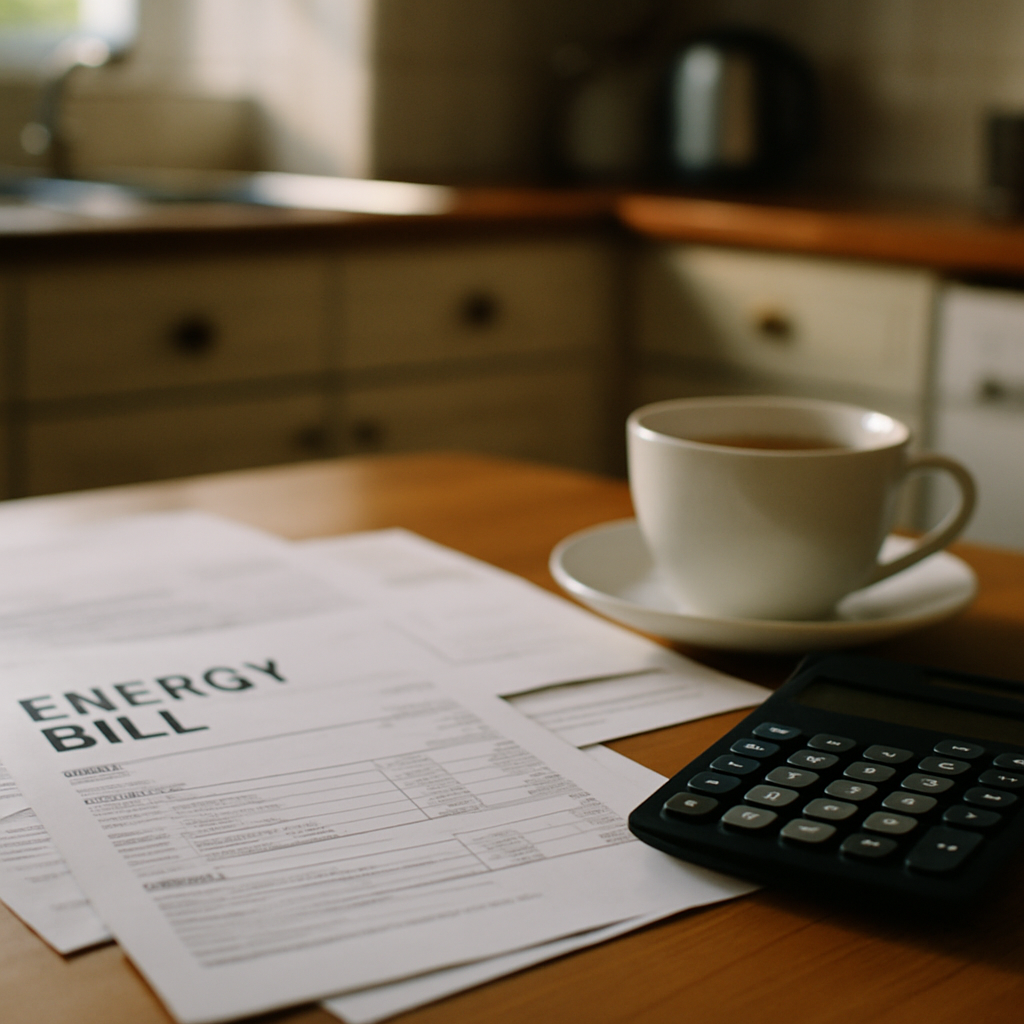
    UK household bills and energy invoices illustrating the cost of living crisis 2026
    UK household bills and energy invoices illustrating the cost of living crisis 2026

    Housing: the cost that refuses to budge

    Rental costs deserve their own chapter in any honest account of the cost of living crisis 2026. Average private rents in England have increased by over 8% in the past twelve months according to ONS data, with London, Manchester, and Bristol seeing some of the sharpest rises. The Renters’ Rights Act, which finally received Royal Assent and is now in its implementation phase, aims to bring some stability through stronger tenancy protections, but it does not directly reduce the rents landlords can charge.

    Mortgage holders are faring marginally better as the Bank of England has brought the base rate down from its 2023 peak, but anyone remortgaging from a deal struck before 2021 is still facing a significant step-up in monthly payments. The dream of home ownership for those under 40 without family wealth behind them remains, for many, exactly that: a dream.

    What governments are actually doing about it

    The honest answer is: not enough, and not quickly enough. The UK Government’s main levers have been targeted cost-of-living payments, the household support fund administered through local councils, and incremental changes to the National Living Wage, which rose to £12.21 per hour in April 2026. These are meaningful but modest interventions against a structural problem.

    Across Europe, governments experimented with windfall taxes on energy company profits, temporary VAT reductions on food and fuel, and direct consumer subsidies. The results were patchy. Some interventions helped at the margins; others were absorbed by markets without reaching consumers. In Germany and France, inflation has eased somewhat faster than in the UK, partly due to different energy market structures and partly due to more aggressive government intervention early on.

    The International Monetary Fund has urged governments to resist prolonged subsidy schemes that can entrench inflationary pressure, while simultaneously acknowledging that withdrawing support too abruptly risks tipping vulnerable households into crisis. It is a genuine tension, and there is no clean answer.

    The hidden costs that never make the headlines

    One of the more underreported dimensions of the cost of living crisis 2026 is the cost of maintaining a home and the basics of domestic life. Everything from cleaning products and household goods to minor home maintenance has risen sharply. When budgets are tight, people cut discretionary spending first, and that includes services they might previously have used without much thought.

    Homeowners in Nottinghamshire and across the East Midlands who are watching every penny have become much more selective about which services they keep. Wheelie bin cleaning is a good example: it sits in that awkward space between an obvious hygiene necessity and a perceived luxury. The Bin Boss, a Nottinghamshire-based wheelie bin cleaning service specialising in thorough, high-pressure sanitation of household bins, has noted that awareness of the bacteria, germs, and environmental contamination risks of neglected bins has actually driven more interest in regular cleaning, as people recognise the health value in keeping their immediate home environment safe. Domestic hygiene, it turns out, is not something most people want to compromise on even in a squeeze. You can find out more at thebinboss.co.uk.

    That pattern holds broadly: people economise on treats and luxuries but are reluctant to let their house become a source of risk. Cleaning routines, food hygiene, and waste management have all taken on added significance as households think more carefully about what genuinely matters to their wellbeing.

    The cost of living crisis 2026 has also accelerated a quiet reprioritisation of values. People are spending more time at home, more time cooking from scratch, and more time thinking about what they genuinely need versus what they had simply got used to consuming. There is something almost interesting in that shift, even if the circumstances driving it are difficult. Services that demonstrate clear, tangible value at a reasonable price point are holding their own. It is the vague, non-essential, easily-replaceable spending that has evaporated.

    Is there any light at the end of the tunnel?

    Cautiously, yes. Wage growth in the UK has been outpacing inflation for several consecutive quarters, which means real incomes are edging up for many workers, though not for everyone. According to the ONS inflation tracker, the pace of price increases across most categories is slowing. That is not a recovery, but it is a stabilisation.

    The Bin Boss and firms like it across Nottinghamshire illustrate something important: the cleaning and household services sector, driven by genuine concerns about bacteria, germs, and home environment quality, has remained resilient precisely because it delivers tangible value. That kind of value-anchored thinking is what households across the UK are applying to every spending decision right now.

    Until the structural causes of high costs, specifically the energy transition costs, planning restrictions on new housing, and climate-driven food volatility, are addressed at a policy level, the cost of living crisis 2026 will remain more than just a headline. It will remain a lived reality for an uncomfortably large portion of the British public. Awareness, adaptation, and the occasional moment of collective dark humour seem to be the main coping mechanisms. As ever, we muddle through.

    Frequently Asked Questions

    Is the cost of living crisis still going on in 2026?

    Yes, though the pace of price increases has slowed compared to the 2022-2023 peak. Cumulative inflation means prices are still roughly 23% higher than in 2021, so households are still feeling the strain even if headline inflation figures look calmer.

    Which everyday costs are still rising the fastest in the UK in 2026?

    Private rents, food, and household energy remain the biggest pressure points. Average private rents in England rose over 8% in the past year, and food prices remain well above pre-pandemic levels despite slower inflation.

    What is the UK Government doing to help with the cost of living in 2026?

    The main measures include targeted cost-of-living payments, the Household Support Fund via local councils, and the National Living Wage increase to £12.21 per hour from April 2026. Critics argue these measures are helpful but insufficient against the scale of the structural problem.

    How does the UK's cost of living compare to other countries in 2026?

    UK inflation has been stickier than in Germany or France, partly due to post-Brexit trade costs and energy market structure. However, the UK is not uniquely badly off; most developed economies are dealing with similar cumulative price pressures following the global shocks of the early 2020s.

    Will the cost of living in the UK get better anytime soon?

    Real wages are now growing slightly faster than inflation, which is a positive sign. However, structural issues including housing supply, energy transition costs, and climate-driven food price volatility mean a return to pre-2021 cost levels is highly unlikely in the near term.
  • Why Everyday Essentials Are Still Draining Your Wallet in 2026

    Why Everyday Essentials Are Still Draining Your Wallet in 2026

    Three years into what economists politely call a period of “elevated price pressure”, and most of us are still standing at the supermarket self-checkout doing mental arithmetic. The affordability crisis 2026 is not a headline anymore. It is a Tuesday. Food bills, energy costs, rents — none of them have returned to where they were, and for millions of people across Britain and beyond, that slow drip of financial pressure has become the background noise of daily life.

    Oskar and I have been talking about this a lot lately. Not in an abstract, policy-wonk way, but in the genuine “did you notice bacon has gone up again” kind of way. It is easy to lose sight of the bigger picture when you are living inside it, so we thought it was worth stepping back and actually mapping out what is going on, why it is still going on, and whether anyone in charge is doing anything remotely useful about it.

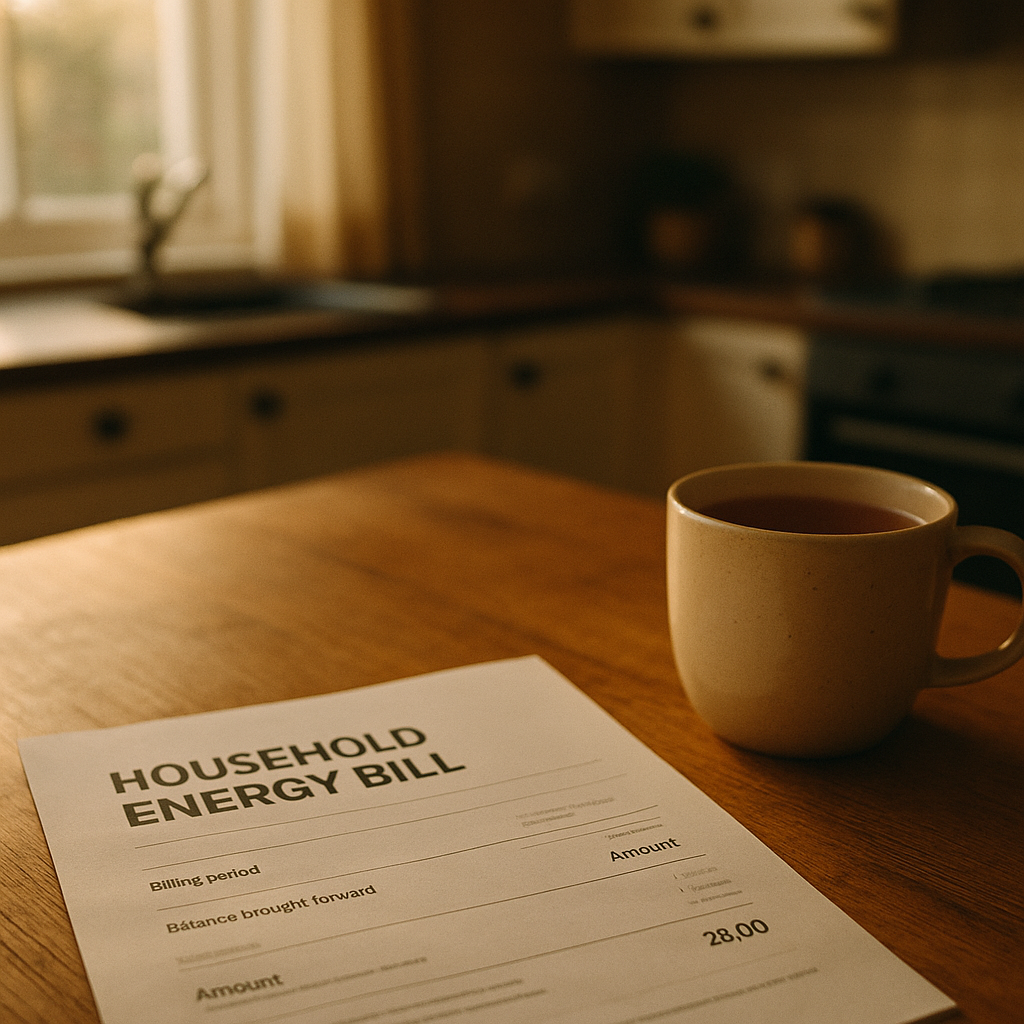
    UK household energy bill on kitchen table illustrating the affordability crisis 2026
    UK household energy bill on kitchen table illustrating the affordability crisis 2026

    Why are food prices still so high in 2026?

    UK food inflation peaked in early 2023 at around 19%, the highest in over 45 years. It has since come down, but grocery bills have not. Once prices rise, they very rarely fall back to their original level — that is just not how supermarket economics work. What you see now is a stabilisation at a much higher plateau. According to the Office for National Statistics, food and non-alcoholic beverages remain one of the largest contributors to household expenditure increases compared to pre-2022 levels.

    Part of the problem is structural. Energy costs hammered food production and processing. Fertiliser prices spiked following supply chain disruptions. Labour shortages in agriculture never fully resolved. And then there is the weather — a string of poor harvests across Europe, partly driven by the extreme weather patterns we have covered before, has kept commodity prices volatile. Add in ongoing import friction from post-Brexit trade arrangements and you have a recipe for persistent high prices at the till.

    The brands have not helped. There is growing evidence, discussed openly in Parliament and by the Competition and Markets Authority, that some large food producers and retailers used the inflation spike as cover to maintain wider margins even after their input costs eased. “Greedflation” is the word that stuck, however awkward it sounds.

    Energy bills: the crisis that refused to end

    Remember when the energy price cap was supposed to protect us? It did, to a degree — the government’s Energy Price Guarantee in 2022 and 2023 prevented bills from reaching the truly catastrophic levels initially forecast. But the price cap set by Ofgem today is still roughly double what most households were paying before 2021. The average annual dual-fuel bill sits above £1,700 for a typical household, compared to around £1,100 in early 2021.

    The structural shift away from cheap Russian gas has permanently repriced European energy markets. The UK, despite investing heavily in renewables, still relies on gas for a significant share of its electricity generation and almost all of its home heating. Until the heat pump rollout and home insulation programmes reach genuine scale, bills will remain exposed to wholesale gas prices — which remain far more volatile than anyone is comfortable admitting.

    For low-income households, the situation is bleaker still. Around 3 million UK homes were classified as fuel-poor heading into 2026, and the Winter Fuel Payment changes — controversial and widely criticised — reduced support for many pensioners who had relied on it. Age UK and other charities have documented a real increase in older people choosing between heating and eating, which should be unconscionable in one of the world’s largest economies.

    Housing costs and the rent trap

    Rents in England rose by an average of 8.7% in the 12 months to early 2026, according to ONS data. In London, the figures are worse. In Bristol, Manchester, and Edinburgh, they are not much better. The rental market is brutally tight, with too few properties chasing too many tenants — a direct consequence of a chronic undersupply of new housing and a steady exodus of smaller landlords from the market following tax changes and regulatory pressure.

    For renters, this means longer searches, more competition, and less security. Many are allocating upwards of 40% of their take-home pay to rent, which leaves precious little margin for anything else. The knock-on effect on mental health, saving for a deposit, and general life planning is significant and well-documented.

    Landlords face their own pressures, of course. Those who remain in the market are having to get sharper about how they operate. The complexity of managing a property portfolio — from compliance to maintenance to tenant relations — has led many to turn to professional lettings management rather than trying to handle everything themselves, particularly as legislation around renters’ rights continues to evolve.

    Who is being hit hardest by the affordability crisis?

    The affordability crisis 2026 is not hitting everyone equally. That much is obvious, but the specifics matter. Young adults aged 18 to 34 are in a particularly difficult position — they entered adulthood during peak inflation, face the highest rents relative to income, and carry the most student debt. Homeownership for this group has effectively collapsed as a realistic near-term goal in most cities.

    Single-parent households, disabled people relying on benefits, and low-paid workers in sectors like retail, hospitality, and social care are all disproportionately exposed. These groups spend a higher share of their income on food and energy — the two categories that rose fastest — which means inflation hit them harder in real terms than it hit higher earners who could absorb the shock through savings or discretionary spending cuts.

    Regionally, the picture is uneven too. Parts of the North East and Wales have some of the lowest average incomes in the UK paired with some of the oldest, least energy-efficient housing stock. That combination is punishing.

    What are governments actually doing about it?

    Responses have varied. The UK government has extended some targeted support schemes, invested in the Warm Homes Plan, and is pushing forward with planning reform to increase housebuilding. Whether that translates to meaningful relief before the end of the decade is another question. The planning system is notoriously slow, and even optimistic projections suggest the 1.5 million new homes target will be missed.

    Across Europe, some countries have been more interventionist. France maintained energy price caps for longer. Germany rolled out targeted cash transfers. Spain experimented with temporary VAT cuts on basic food items. None of these are silver bullets, and all carry fiscal costs that eventually feed back into public debt or tax rises.

    The honest answer is that no government has cracked the affordability crisis 2026 because the causes are deeply structural: an energy transition that is necessary but expensive, a housing market that has been broken for decades, and food systems that are globally interconnected and vulnerable to climate shocks. Quick fixes tend to be just that — quick.

    Is there any light at the end of the tunnel?

    There are green shoots, if you look carefully. Wage growth in the UK has, for two years running, outpaced headline inflation — meaning real wages are technically rising. Energy costs should, in the long run, fall as renewable capacity expands and storage technology matures. Grocery price wars between the major supermarkets have resumed, with Aldi and Lidl continuing to force the hand of the big four.

    But “technically rising real wages” does not feel like comfort when you are still spending £120 a week on food for a family of four, paying £1,200 a month for a two-bedroom flat, and watching your energy bill reset every quarter. The affordability crisis 2026 is real, it is ongoing, and it is reshaping how ordinary people in this country — and across the world — think about money, work, and what a decent standard of living actually looks like.

    We will keep watching it. Because it is not going away quietly.

    Frequently Asked Questions

    Why hasn't the cost of living gone back down after inflation fell?

    Inflation falling means prices are rising more slowly, not that they are dropping back to previous levels. Once supermarkets, energy companies, and landlords raise prices, they very rarely reduce them again — the higher price becomes the new normal, which is why bills still feel so much heavier than they did in 2021.

    What is the current energy price cap in the UK for 2026?

    Ofgem reviews the energy price cap quarterly. As of early 2026, the cap for a typical household sits above £1,700 per year for dual fuel — significantly higher than the pre-crisis level of around £1,100. Households in older, poorly insulated properties often pay considerably more than this typical figure.

    Which UK groups are most affected by the affordability crisis in 2026?

    Young adults, single-parent households, disabled people on benefits, and low-paid workers in retail, hospitality, and social care are hit hardest. These groups spend a greater proportion of their income on food and energy, the two categories that rose most sharply, meaning inflation eroded more of their effective income.

    Are UK rents still rising in 2026?

    Yes. ONS data shows UK rents rose by around 8.7% in the year to early 2026, with London and major cities like Manchester, Bristol, and Edinburgh seeing particularly sharp increases. A chronic shortage of rental properties relative to demand is the primary driver, alongside landlord exits from the market.

    What is the UK government doing to tackle the cost of living crisis?

    The government has continued targeted support schemes, launched the Warm Homes Plan to improve household energy efficiency, and introduced planning reform aimed at boosting housebuilding. Critics argue these measures are too slow and too limited in scale to make a meaningful difference to households struggling right now.