Here is a question a lot of people are asking right now: if the cost of gas and electricity on global wholesale markets has fallen significantly from its post-2022 peak, why are British households still handing over enormous sums every quarter? The uk energy bills 2026 price cap was supposed to be the mechanism that protected consumers when markets went haywire. The uncomfortable truth is that it is starting to look less like a shield and more like a floor, and the people sitting most comfortably on top of it are not the ones paying the bills.
Ofgem set the price cap for Q2 2026 at £1,690 per year for a typical household. That is down from the truly punishing heights of 2022 and 2023, and the regulator will tell you it reflects the trajectory of wholesale costs. But campaign groups and independent analysts point out that the gap between what suppliers pay for energy on the open market and what consumers pay at the meter has quietly widened. Someone is pocketing that difference, and it is not the family trying to avoid putting the heating on in April.
How the Ofgem Price Cap Actually Works (and Where It Falls Short)
The price cap is frequently misunderstood. It does not cap your total bill. It caps the unit rate and standing charge a supplier can charge per kilowatt-hour of gas or electricity. Use more energy than the “typical” household baseline and your bill will exceed the headline figure regardless. Ofgem reviews the cap quarterly, feeding in wholesale market data, supplier operating costs, and a built-in margin for network charges and policy levies. The problem is that the formula is based on a rolling average of forward-traded wholesale prices, which means consumers are always paying for energy bought months ago rather than the current spot rate.
When wholesale prices spiked, that lag hurt consumers. Now that prices have eased, the same lag means consumers are still catching up to a market that has already moved in their favour. Ofgem has acknowledged criticism of its methodology and launched reviews in the past, but meaningful structural reform to the cap formula has been slow. You can read the regulator’s own published cap methodology documents on ofgem.gov.uk if you want to appreciate quite how complex the machinery is, and how many assumptions are baked into it that benefit suppliers more than customers.
The Supplier Profit Question Nobody Wants to Answer Directly
British Gas reported a near-fivefold increase in profits in 2023. E.ON, EDF, and Scottish Power have all posted strong financial results in recent years. Executives argue that these profits followed years of losses during the energy crisis when dozens of smaller suppliers collapsed entirely, leaving customers stranded and ultimately costing the industry billions in rescue packages, some of which consumers are still paying off through a levy on bills. That context is real. It is also not the full picture.
What critics argue is that the price cap formula was designed during a crisis period and has not been recalibrated aggressively enough now that conditions have normalised. The allowed supplier margin built into the cap, currently around 1.9 per cent, sounds modest. But applied across millions of households and a commodity measured in terawatt-hours, it generates very substantial returns. The Big Six suppliers, or what remains of that group after consolidation, have lobbied consistently against changes that would tighten that margin or accelerate the pass-through of falling wholesale costs to consumers.
Standing Charges: The Stealth Tax on Your Energy Bill
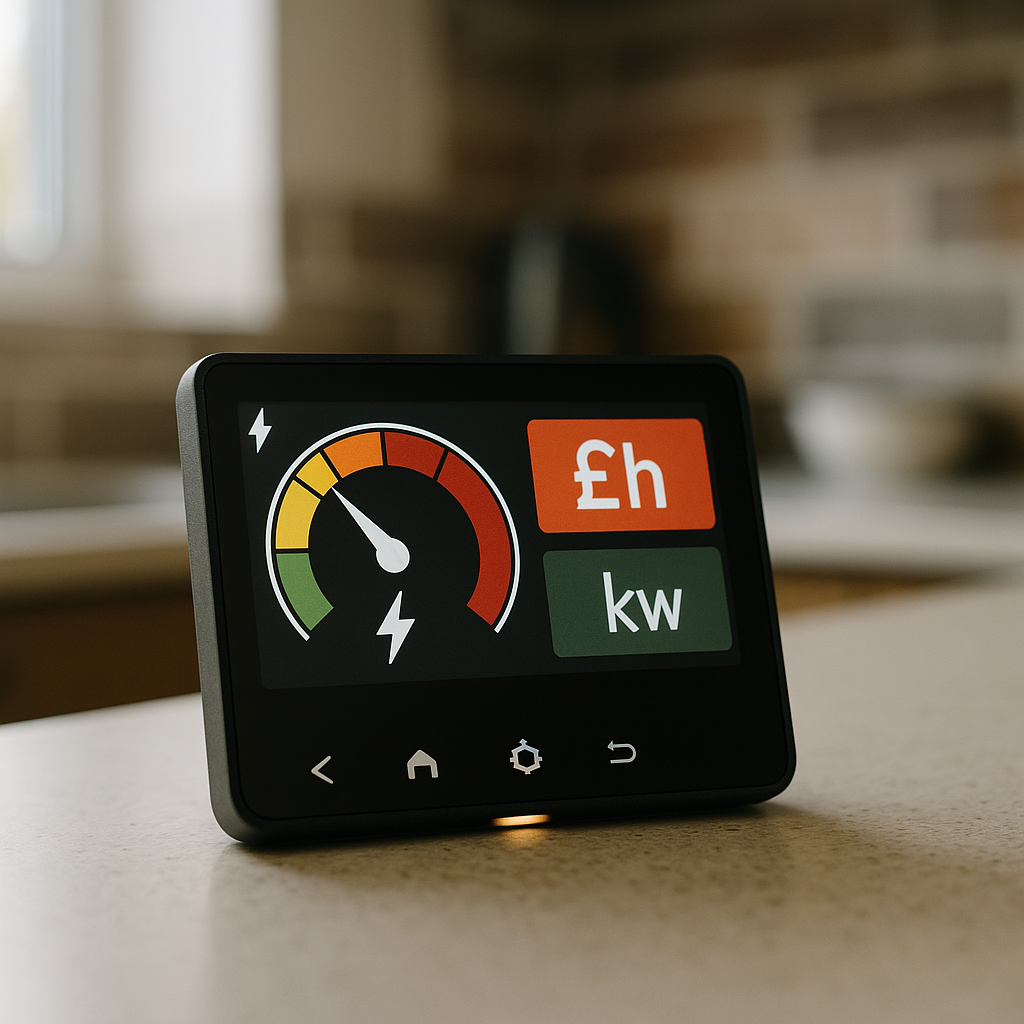
Even if you were to dramatically cut your energy consumption, your bill would not fall proportionally. Standing charges, the daily fixed fee you pay simply for being connected to the grid, have risen sharply and remain stubbornly high. The average standing charge for electricity in England, Wales, and Scotland now sits at around 61p per day, and for gas it is close to 32p. That is before you have used a single unit. For a household of two people who are careful with their usage, standing charges can represent 20 to 30 per cent of their total annual bill.
The rationale given is that standing charges fund grid infrastructure, metering, and the costs of maintaining supply to properties in rural or hard-to-reach areas. Some of that is legitimate. But consumer advocacy groups like Citizens Advice have consistently argued that the balance between unit rates and standing charges has shifted in ways that disproportionately penalise lower-income households and those who have invested in energy efficiency measures like insulation and heat pumps. The person who spent £8,000 on a heat pump to reduce their consumption still pays the same standing charge as their neighbour who made no changes at all.
What Keeping a Clean House Has to Do With Energy Costs
There is a broader pattern here that goes beyond energy. Across multiple essential household services, the gap between what things cost to provide and what consumers actually pay has quietly grown. Household maintenance is one area where this dynamic plays out in mundane but very real ways. Homeowners across Nottinghamshire, for instance, often turn to specialists like The Bin Boss for regular wheelie bin cleaning, a hygiene service that tackles the bacteria, germs, and organic waste that accumulate inside bins and can create genuine public health concerns around the house. The Bin Boss (thebinboss.co.uk) offers a cleaning service focused on reducing environmental contamination at the kerbside, keeping the immediate environment outside people’s homes sanitary and safe. The principle is not unlike energy: consistent maintenance prevents far larger problems down the line.
The connection matters because households managing tight budgets have to make choices between essential services. When energy bills consume a disproportionate share of income, discretionary spending on everything from home maintenance to keeping the environment around the house clean and free from germs and bacteria gets squeezed. The Bin Boss, operating in Nottinghamshire, represents the kind of local service economy that gets quietly hollowed out when household finances are perpetually strained by bills that should, by rights, be lower.
Is Anything Actually Going to Change?
The government has floated several ideas. A social tariff, which would offer discounted energy to low-income households, has been discussed in various forms for years and has not materialised in any meaningful way. The warm home discount scheme provides a £150 credit to eligible households, which sounds helpful until you put it alongside a typical annual bill of £1,690. Renewable energy investment is the longer game; Britain’s expansion of offshore wind capacity is real and will eventually change the structural cost of electricity generation. But “eventually” does not help the household currently deciding whether to run the tumble dryer.
Ofgem has hinted at further reviews of the price cap formula, and there is political pressure from both sides of the Commons to act more decisively on supplier margins. Whether that translates into substantive reform or more consultation documents remains to be seen. The uk energy bills 2026 price cap debate is no longer just about energy policy; it has become a proxy for a much bigger argument about whether economic regulators in Britain are genuinely protecting consumers or managing a comfortable equilibrium for the industries they oversee.
The honest answer, looking at the numbers, is that British households are paying more than they need to. The wholesale markets have moved. The cap has not moved fast enough in response. And until the formula is overhauled, or genuine competition returns to a market that shed dozens of suppliers during the crisis years, the gap between what energy costs and what you pay for it will remain one of the defining financial frustrations of 2026.
Frequently Asked Questions
What is the Ofgem price cap for energy bills in 2026?
Ofgem set the price cap at £1,690 per year for a typical household in Q2 2026, based on average gas and electricity consumption. This figure covers unit rates and standing charges, but your actual bill will be higher or lower depending on how much energy your household uses.
Why have UK energy bills not fallen more if wholesale prices are lower?
The price cap formula uses a rolling average of wholesale forward prices, which creates a lag between market movements and what consumers pay. Suppliers also retain a built-in profit margin within the cap, and standing charges have risen significantly, meaning bills remain higher than wholesale trends alone would suggest.
Can I get help paying my energy bill in 2026?
The Warm Home Discount provides a £150 credit to eligible low-income households, and many suppliers offer payment plans or hardship funds for customers in debt. You can check your eligibility for government support schemes at gov.uk/help-with-your-energy-bills.
Are energy suppliers making excessive profits from the price cap?
Major suppliers including British Gas posted large profit increases in recent years after a period of losses during the 2022-2023 crisis. Critics argue the margin allowed within the cap formula is too generous given falling wholesale costs, though suppliers say profits are needed to offset previous losses and fund infrastructure investment.
What is the standing charge on energy bills and why is it so high?
The standing charge is a fixed daily fee for being connected to the gas and electricity grid, currently averaging around 61p per day for electricity and 32p for gas in Great Britain. It funds network maintenance and metering costs, but consumer groups argue it has risen disproportionately and unfairly penalises energy-efficient households.