
There is a version of Britain where you wait three weeks to see a GP, another hour for an ambulance that may never arrive in time, and where the nearest specialist unit is a 90-minute drive through single-track roads. That version of Britain is not a dystopian thought experiment. It is daily life for millions of people living outside cities, and the rural NHS access UK postcode lottery is getting worse, not better.
I grew up not far from a market town in the East Midlands, and I remember my grandmother waiting the better part of an afternoon for a paramedic after a fall. She was fine, as it turned out. But I have thought about that afternoon a lot since. What if it had been worse? What if she had lived 20 miles further from the nearest A&E rather than ten? The geography of healthcare in this country is something most of us do not think about until it matters, and by then it is usually too late to be angry about it in a useful way.
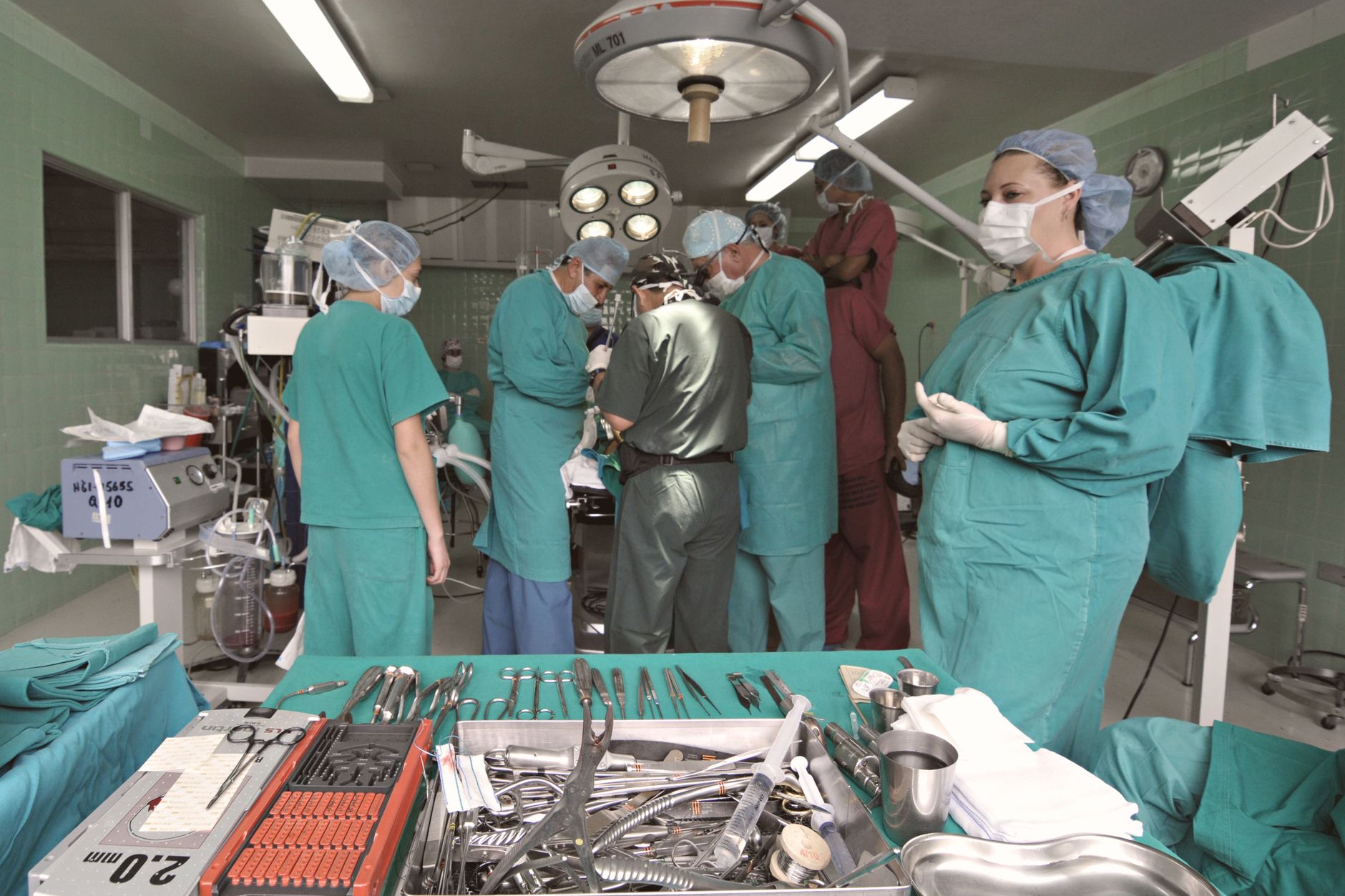
GP surgeries closing in rural areas: the numbers that tell the story
The closure of GP practices in rural and semi-rural areas has been building for years. According to BBC News, hundreds of GP surgeries across England have shut their doors since 2013, with rural communities disproportionately affected. The reasons are not mysterious: an ageing GP workforce, recruitment difficulty in areas that cannot compete with urban salaries and amenities, and NHS England funding formulas that have historically underfunded rural practices despite the fact that serving a geographically dispersed population costs significantly more per patient.
In Norfolk, Cornwall, Shropshire, and large swathes of Yorkshire, patients are registering with practices 10 or even 15 miles from their homes because their local surgery has closed or merged into a larger hub. For people without a car, that is not an inconvenience. That is a barrier to care. And older patients, the very people most likely to need frequent GP contact, are often the ones least able to travel. The postcode lottery is real, and it cuts hardest at the people who can least absorb it.
Ambulance response times: the countryside penalty
Category 1 ambulance calls, life-threatening emergencies, carry a national target of an average seven-minute response. In London, that target is broadly met. In rural areas, the picture is completely different. NHS England data has repeatedly shown that rural trusts, including South Western Ambulance Service and East of England, routinely record response times two or three times longer than their urban counterparts for Category 2 calls, which cover serious but not immediately life-threatening incidents like strokes and heart attacks.
A stroke patient in central Manchester has a reasonable chance of reaching a stroke unit within the critical one-hour window. The same patient in mid-Wales or the Scottish Highlands faces odds that are not comparable. The brain damage sustained during that additional travel time is not a statistic. It determines whether someone walks out of hospital or needs residential care for the rest of their life.
Why the funding formula keeps failing rural communities
Oli and I have talked about this a fair amount, and the thing that strikes me most is how structural the problem is. This is not simply a matter of individual NHS trusts failing. The Carr-Hill formula, which determines how much money GP practices receive, was designed in an era when rurality was poorly understood as a healthcare cost driver. It has been criticised for decades by rural health campaigners who argue it systematically underestimates the cost of delivering care to dispersed, isolated populations.
The Rural Services Network, which represents rural local authorities and public bodies, has consistently highlighted that rural residents receive less public funding per head than urban residents across multiple services, and healthcare is no exception. When you layer the rural NHS access UK postcode lottery on top of other pressures, such as fewer pharmacies, longer distances to mental health services, and patchy broadband that makes digital GP appointments impractical, the cumulative disadvantage becomes severe.
This matters alongside the broader NHS waiting list crisis we have covered before. Urban patients on long waiting lists at least have some access to private alternatives, walk-in centres, or multiple hospital sites. Rural patients often have none of that. The waiting list is the only list.
The rural mental health gap
Mental health provision in rural Britain deserves its own article, and probably its own parliamentary inquiry. Specialist CAMHS services for young people, crisis teams, and community mental health workers are all concentrated in cities and large towns. A teenager in a rural area struggling with serious mental health difficulties may wait longer for a CAMHS assessment than a peer in a city, and have nowhere local to go in a crisis. Given what we already know about the pressures on young people’s mental health in the smartphone era, adding a geography tax on top of that is a grim combination.
Adult mental health services follow a similar pattern. Inpatient psychiatric beds are increasingly centralised in larger facilities, meaning rural patients who require admission may be placed in wards far from home, which disrupts family support at exactly the moment it is most needed.
What could actually change things
The solutions get discussed regularly in policy circles. Salaried GP models that remove the financial risk of setting up in a rural area. Expanded roles for paramedics and advanced nurse practitioners who can handle cases that currently require GP contact. Helicopter emergency services for the most remote communities. Telemedicine that actually works, rather than the clunky systems many rural practices were handed during the pandemic. Training incentives that make rural placements attractive to junior doctors.
None of this is technically complicated. The obstacle is money and political will, and rural communities tend not to be marginal constituencies in the same way that urban swing seats are. That political economy shapes everything, including which NHS problems get emergency attention and which ones get another review.
The rural NHS access UK postcode lottery is not a new problem, and I am not going to pretend this article has uncovered something nobody knew. What I will say is that the gap between urban and rural healthcare in Britain in 2026 is wide enough that it constitutes a genuine inequality of citizenship. Where you are born, or where you can afford to live, should not determine whether you survive a cardiac arrest or get a cancer diagnosis before it is too late. Right now, in Britain, it does. That is not an acceptable answer from a healthcare system that still, to its credit, operates on the founding principle that care is based on need rather than means.
The structural inequalities running through British life tend to compound each other. Rural healthcare is one more layer of that, and it deserves far more sustained political attention than it gets between election cycles.
Frequently Asked Questions
Which parts of the UK have the worst rural NHS access?
Areas consistently highlighted for poor rural NHS access include Cornwall, rural Norfolk, Shropshire, mid-Wales, the Scottish Highlands, and parts of Yorkshire and Cumbria. These regions combine GP surgery shortages, long ambulance response times, and limited specialist services in a way that creates a significant healthcare gap compared to urban centres.
How much longer are ambulance response times in rural areas compared to cities?
NHS England data shows that rural ambulance trusts frequently record Category 2 response times of 40 to 60 minutes, compared to under 20 minutes in many urban areas. For Category 1 life-threatening calls the gap narrows but does not disappear, and the consequences for time-sensitive conditions like stroke and cardiac arrest can be severe.
Why are GP surgeries closing in rural towns and villages?
The main drivers are an ageing GP workforce retiring without enough replacements, difficulty recruiting younger doctors to areas with fewer amenities and career development opportunities, and an NHS funding formula that many argue does not adequately account for the higher cost of serving geographically dispersed rural populations.