
Trains in Britain have been a national joke for so long that complaining about them has become its own cultural tradition. Delays, overcrowding, eye-watering fares, and a franchise system so splintered it took a spreadsheet to understand who was responsible for what. So when the government began moving towards rail nationalisation and the creation of Great British Railways, a lot of people dared to feel something dangerous: optimistic. I was one of them. That optimism, I’ll admit, is wearing thin.
What Great British Railways was actually supposed to do
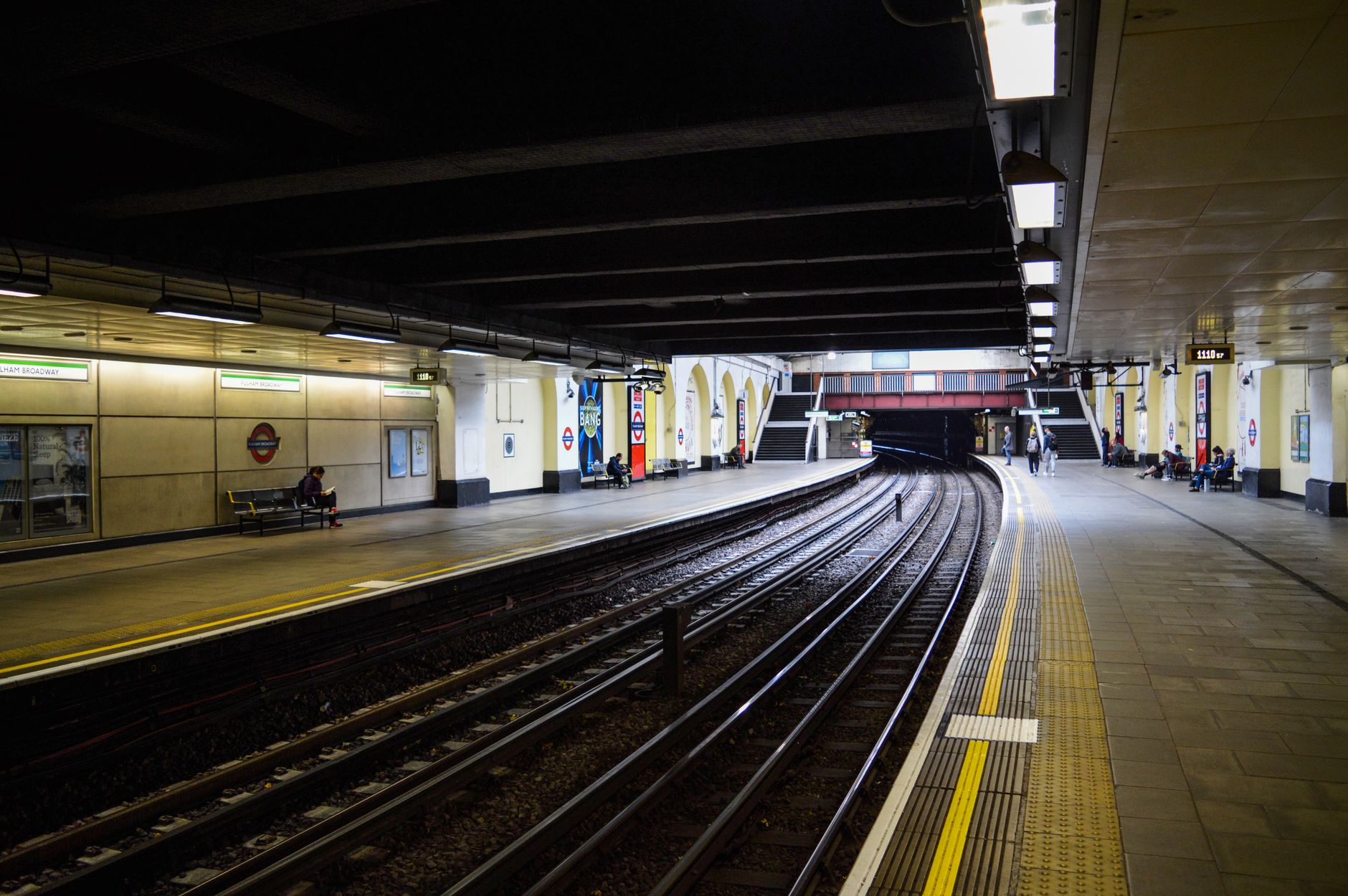
The idea behind Great British Railways was not born overnight. The Williams-Shapps Plan for Rail, published back in 2021, laid out a vision for a single public body that would own the infrastructure and run the services under one roof, replacing the privatised franchise mess with something coherent. No more finger-pointing between Network Rail and train operators. No more passengers stranded in limbo while two private companies argued about whose fault the delay was. One body, one plan, one timetable, one integrated ticketing system.
On paper, the logic was sound. Britain’s rail system had fractured into something almost comically complex. By 2023, the BBC reported that the Department for Transport was already propping up most operators through emergency management contracts anyway, meaning the fiction of privatisation had largely collapsed before the formal policy shift. Great British Railways was meant to formalise what was already the de facto reality and build something better from it.
So what has actually changed since nationalisation began?
LNER, Southeastern, Northern, and TransPennine Express have all been brought under public operation in recent years, with more to follow. The branding has started shifting. Staff are being absorbed. And the government points to this as progress. Which, technically, it is.
But talk to anyone who commutes from Leeds to Manchester, or from Brighton into Victoria, and you’ll hear a very different story. Trains are still late. Cancellations remain routine on too many routes. The promised single-app ticketing system that would let you book a cross-country journey without buying three separate tickets from three separate websites? Still not here. The fares? Still among the most expensive in Europe per mile travelled.
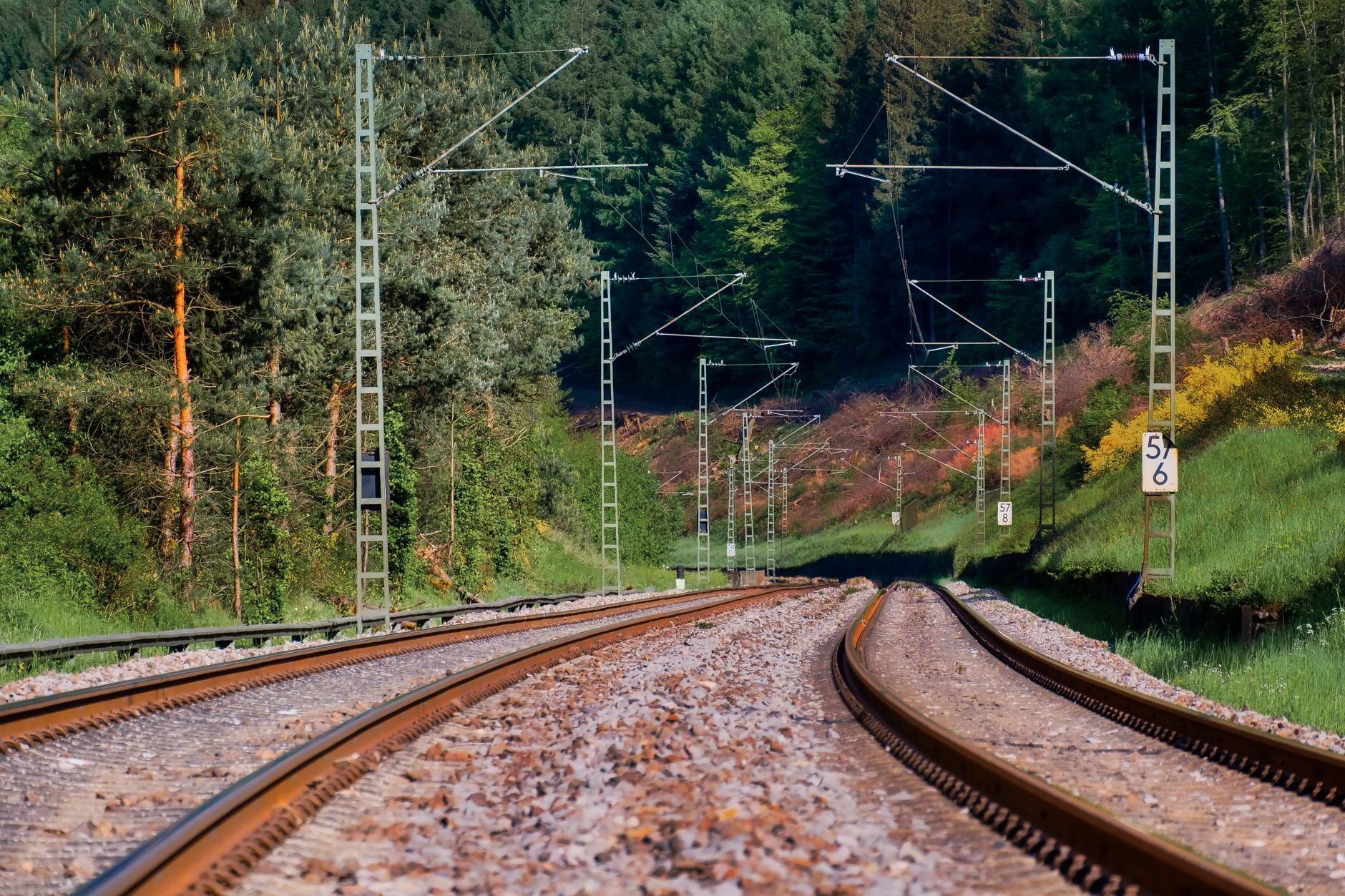
My read of the situation is that what passengers are experiencing right now is a structural transition, not a transformation. The logos are changing faster than the timetables. And the chronic underfunding that plagued the old system does not evaporate the moment you put a new public body in charge. Great British Railways nationalisation was never going to fix in two years what decades of underinvestment had broken.
The infrastructure problem nobody wants to fully admit
Here’s the thing that frustrates me most about how this conversation is framed. Whether trains are publicly or privately run matters far less than the state of the actual infrastructure they run on. Tracks, signalling, bridges, tunnels, stations: Network Rail (now absorbed into Great British Railways’ parent structure) has been warning for years that the network needs tens of billions in renewal spending. The Integrated Rail Programme for the North, which was supposed to deliver genuine capacity improvements across the Pennines, has been scaled back, delayed, and reframed so many times that local leaders have essentially stopped believing the timelines.
HS2’s partial cancellation made this worse. The logic was that saved money would be redirected into regional rail improvements. Some of that has come through, but nowhere near enough to compensate for what was lost. Northern towns that were promised connectivity are still waiting. The chronic under-investment in rolling stock outside London is real and it predates any particular political decision about ownership structures.
There’s a parallel worth drawing here. Britain has a habit of attempting big structural reforms while simultaneously underfunding the underlying system. We’ve seen it with water companies, where record fines have done nothing to stop sewage flowing into rivers (something Oli and I covered in detail here). We’ve seen it with housing, where institutional landlords have filled the gap left by decades of failure to build. Rebranding the mechanism without fixing the money is a pattern.
Fares and the ticketing disaster
One concrete area where Great British Railways was supposed to deliver early wins was ticketing. The current system, where advance fares and walk-up fares bear almost no relationship to each other, where split-ticketing can save you 40% if you know the trick, and where a family of four travelling from Manchester to London can pay anywhere from £80 to £400 depending on the day and the website, is genuinely broken. Everyone agrees it is broken. It has been broken for fifteen years.
The promised reform is a simpler fare structure with more predictable pricing. Trials have been announced. Pilots have been mentioned. But as of mid-2026, the full rollout remains undefined. The ticketing architecture is tied to legacy systems that are expensive and complicated to replace, and the transition to a unified Great British Railways digital infrastructure is moving at a pace that feels deeply at odds with the ambition of the original plan.
I’ve spoken to a few regular rail users who told me they’ve essentially given up trying to optimise their journeys through official channels. They use a publishing network of commuter forums and comparison tools built by enthusiasts because the official apps still don’t tell them what they actually need to know.
Is nationalisation the right call, even if the execution is slow?
Separating the principle from the implementation matters here. Most transport economists who’ve looked seriously at the British rail model agree that vertical integration, putting infrastructure and operations under one body, is logically superior to the fragmented franchise model. Germany, France, and Japan all operate unified systems and achieve better punctuality, better capacity utilisation, and more coherent investment planning. So the direction of travel is arguably correct.
The question is whether Great British Railways nationalisation will get enough political backing and sustained capital investment to actually get there, or whether it will become a permanent transitional state: half-reformed, chronically underfunded, and blamed for problems it inherited but was never given the tools to solve.
The risk I genuinely worry about is that by the time GBR is fully operational as a unified body, public patience will have run out. If delays and fare chaos continue for another three or four years while the machinery of the new organisation is assembled, passengers will have concluded that nationalisation simply does not work. When in fact the experiment will never have been properly tried. That’s a political trap as much as a transport failure, and Oskar and I think it’s one the government is sleepwalking into.
What passengers actually need to see, and soon
Three things would demonstrate that Great British Railways is more than a rebrand. First: a published, binding timeline for the unified ticketing platform, with real milestones and genuine accountability if they’re missed. Second: a transparent spending commitment to rolling stock renewal outside London and the South East, specifically in the Midlands and the North. Third: a single point of contact for complaints and compensation that doesn’t route passengers through six different departments before apologising and offering a travel voucher.
None of that requires solving the big structural questions first. They’re deliverables. They’re measurable. And their absence, right now, is the most telling indicator that Great British Railways nationalisation is moving at the pace of institutional inertia rather than genuine reform.
Britain’s railways were not broken by one bad decision. They will not be fixed by one good policy announcement. But passengers deserve to see something concrete, something that makes the morning commute feel different, before they’re asked to believe the logo change means anything at all.
Frequently Asked Questions
What is Great British Railways and when does it fully launch?
Great British Railways is the new public body being created to run both rail infrastructure and train services under one organisation, replacing the fragmented privatised franchise model. The transition is ongoing as of 2026, with various operators already brought under public control, but a single unified GBR is not yet fully operational and no firm completion date has been publicly confirmed.
Has rail nationalisation made UK trains cheaper or more punctual?
Not in any measurable way yet. Punctuality figures have shown little sustained improvement across the network, and fares remain among the highest in Europe per mile. The structural transition is still underway, and most of the operational changes promised under Great British Railways nationalisation have not yet been fully implemented.
Which train operators have already been nationalised in the UK?
LNER, Southeastern, Northern, and TransPennine Express are among the operators that have been brought under public management contracts in recent years. More are expected to follow as their franchise agreements expire, with the eventual aim of all services operating under the Great British Railways umbrella.
Leave a Reply