
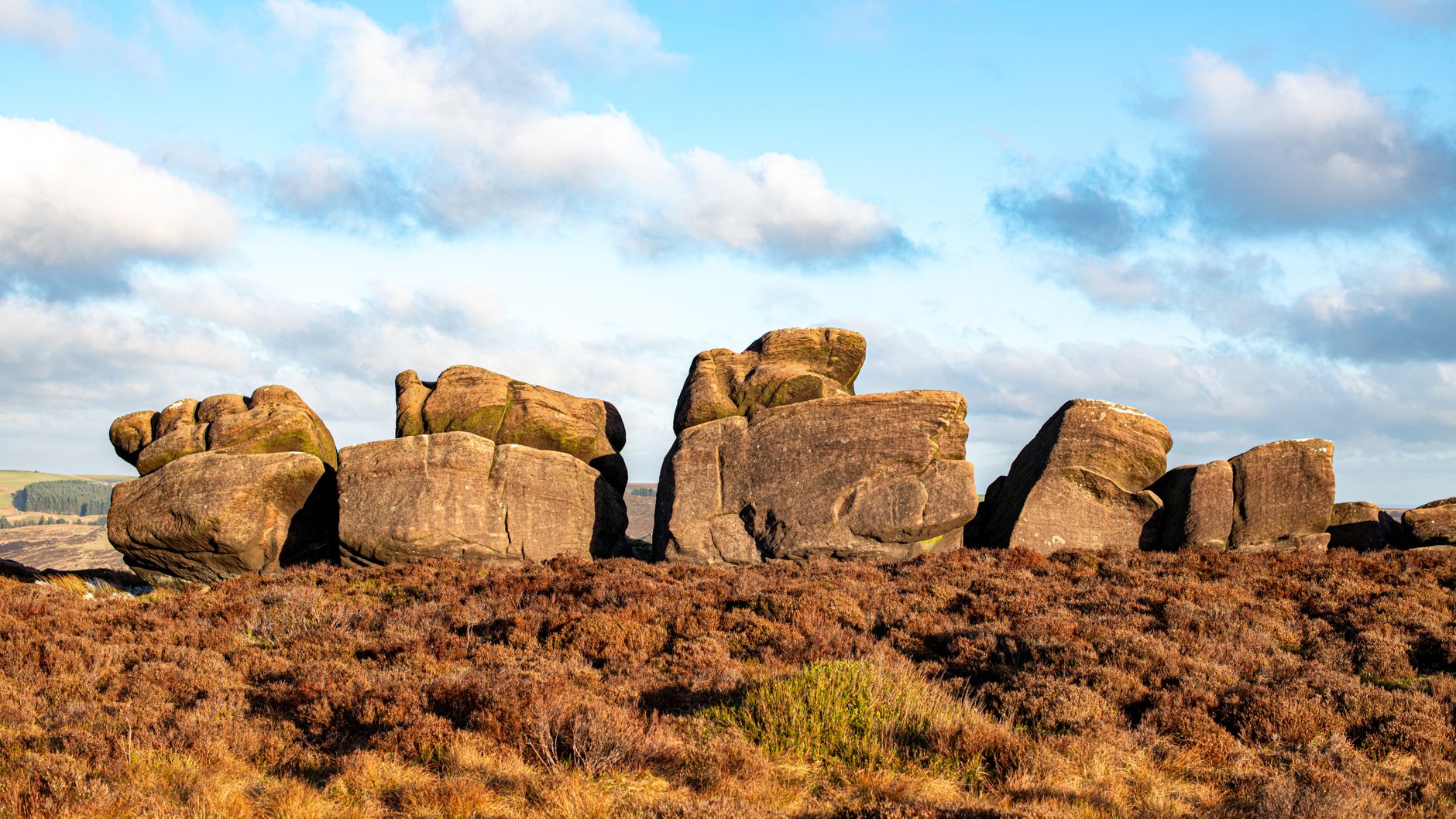
There is a version of Britain that lives in the national imagination: open moorland, dry-stone walls, public footpaths that lead somewhere worth going. The idea that this landscape belongs, in some meaningful sense, to everyone. I grew up walking the Peak District on school trips and family weekends, and that sense of shared ownership always felt real. These days I am not so sure it is.
Something has been shifting quietly across England, Scotland and Wales for the past decade or so. Corporate money, philanthropic trusts, and a loose collection of rewilding ventures have been buying up land at a pace that would have seemed extraordinary twenty years ago. Whether you call it conservation capitalism or national park privatisation UK-style, the question being asked by farming communities, hill walkers and rural campaigners is the same: who does this land actually serve?
How much land has actually changed hands?
The figures are striking once you look for them. BBC Scotland reported that by the early 2020s around half of Scotland’s private land was owned by fewer than 500 people, a concentration that makes the Scottish Highlands one of the most unequally distributed land ownership landscapes in the developed world. England is not far behind. The Campaign to Protect Rural England has documented a steady wave of estate acquisitions by investment funds, carbon credit schemes, and rewilding charities, some with little local accountability and even less transparency.
Rewilding itself is not the villain here. I think large-scale ecological restoration is genuinely exciting, and projects like those in the Cairngorms have produced real conservation wins. The problem is when rewilding becomes a mechanism through which access is restricted, existing tenant farmers are moved off land their families have worked for generations, and the public right to roam becomes something you negotiate rather than assume.
The access dispute nobody is covering properly
England and Wales operate under the Countryside and Rights of Way Act 2000, which opened around 3.4 million hectares of mountain, moor, heath and down to public access. Scotland went further with the Land Reform (Scotland) Act 2003, giving people a legal right to be on most land for recreational and other purposes. On paper this sounds generous. In practice, enforcement is patchy, signage is inconsistent, and landowners with enough money and legal resource can make access feel unwelcoming without technically breaking the law.
I have spoken to walkers in Northumberland who describe being turned back from paths that the Definitive Map says are rights of way, only to find the landowner has erected “private” signs across a stile. Ramblers England logged over 1,200 path obstruction reports in a single year. These are not isolated incidents. They form a pattern.
The situation becomes more complicated inside national parks themselves. People assume national park status means public land. It does not. Around 97 per cent of the Peak District is privately owned. Figures are similar for the Lake District, Dartmoor and Snowdonia (now officially Eryri). The national park authorities manage planning and conservation policy, but they have limited power over what a landowner chooses to do with a field, a forest or a fellside, especially when that owner is a large institution with specialist legal teams.
Carbon credits and the new land rush
One of the less-reported drivers of this land grab is the voluntary carbon market. Planting trees or restoring peatland generates carbon credits that companies can buy to offset their emissions. The incentive is real money, and it is attracting institutional investors who have no interest in farming, no connection to rural communities, and no need to maintain the kind of landscape access that walkers and cyclists depend on.
In parts of Northumberland and the Scottish Borders, established upland farms have been bought out and converted to tree plantations almost overnight. Tenant farmers, sometimes with decades of history on the land, have received notice to quit. The Natural England website is full of guidance about agri-environment schemes designed to keep working farms in the landscape, but the subsidy structures have not kept pace with the returns available from carbon markets. When a hectare of peatland restoration can generate thousands of pounds in credits, a struggling hill farm’s single farm payment looks thin.
This connects to a broader picture of economic exclusion in the countryside. Ordinary families are already under pressure from what rising rural property costs and flood risk mean for rural homeownership. Add in the loss of common land, reduced access, and the erosion of tenant farming, and you end up with a countryside that is being curated for affluent tourists and carbon accountants rather than the communities who live and work there.
Dartmoor and the right to camp: a warning shot
The Dartmoor wild camping case in 2023 made brief national headlines and then largely disappeared. A High Court ruling initially stripped walkers of the right to wild camp on Dartmoor, the only part of England and Wales where such a right had existed. The landowner behind the case was Alexander Darwall, a hedge fund manager who owns the Blachford Estate. The decision was eventually overturned on appeal, but the episode exposed something important: a single wealthy landowner could, through litigation alone, threaten a right that millions of people had taken for granted for decades.
That is not a quirk. That is the logic of national park privatisation UK at its sharpest end. Rights that feel settled can be challenged if the challenger has enough resources. The public interest does not automatically win.
What would actually fix this?
Scotland’s land reform agenda offers one template. The Scottish Government has been pushing for community right-to-buy provisions, greater transparency in land ownership registers, and caps on the proportion of land that can be acquired by any single entity in certain circumstances. Progress has been slower than reformers hoped, but the direction of travel is clearer than anything Westminster has committed to south of the border.
In England and Wales, campaigners from the Open Spaces Society and the Ramblers have called for a strengthened duty on landowners to keep rights of way clear and usable, alongside proper resourcing for local highway authorities to enforce existing rules. The current system relies too heavily on voluntary compliance and under-resourced councils.
My own reading of this is that the political appetite for serious land reform in England simply does not exist yet. The same government overseeing welfare cuts and benefit changes that hurt the most economically vulnerable is unlikely to take on well-resourced estates and investment funds over footpath signs. Land ownership in Britain has always been political. The difference now is that the money involved is bigger, the actors are more diffuse, and the consequences for access and community are playing out faster than public debate can keep up with.
Britain’s national parks were created after the Second World War on a wave of democratic idealism. They were a promise that the landscape belonged to everyone. Whether that promise is being quietly broken is a question that deserves far more attention than it is currently getting. Oli and I plan to keep covering it.
Frequently Asked Questions
Is national park land in the UK privately owned?
Yes, the vast majority of land within UK national parks is privately owned. In the Peak District, for example, around 97 per cent is in private hands. National park status governs planning and conservation policy but does not transfer land ownership to the public.
Do I have a legal right to roam in national parks in England?
The Countryside and Rights of Way Act 2000 gives access on foot to designated open access land including mountains, moorland, heath and down, but this does not cover all land within a national park. Rights of way must also be kept open by landowners, though enforcement is inconsistent.
What is driving corporate land acquisition in the UK countryside?
The voluntary carbon market is a significant factor, as tree planting and peatland restoration generate carbon credits that companies buy to offset emissions. Investment funds are buying agricultural land because the financial returns from carbon schemes now often exceed those from traditional farming subsidies.
What happened with wild camping on Dartmoor?
In 2023 a High Court ruling initially removed the right to wild camp on Dartmoor following a legal challenge by a private landowner. The decision was overturned on appeal, but the case highlighted how privately funded litigation can threaten long-standing public access rights.
Is rewilding the same as privatisation of the countryside?
Not automatically. Rewilding can produce genuine conservation benefits when done with community involvement and maintained public access. The concern arises when rewilding projects are driven by carbon credit revenues, restrict existing access, and displace tenant farming communities without transparent accountability.
Leave a Reply