Category: News

  • Why Everyone Is Talking About Deepfake Election Ads

    Why Everyone Is Talking About Deepfake Election Ads

    Oli and Oskar here, diving into a story that feels like it has leapt straight out of science fiction: the rapid rise of deepfake election ads. They are slick, convincing, and increasingly hard to spot – and they are already changing how campaigns are fought and how voters see the world.
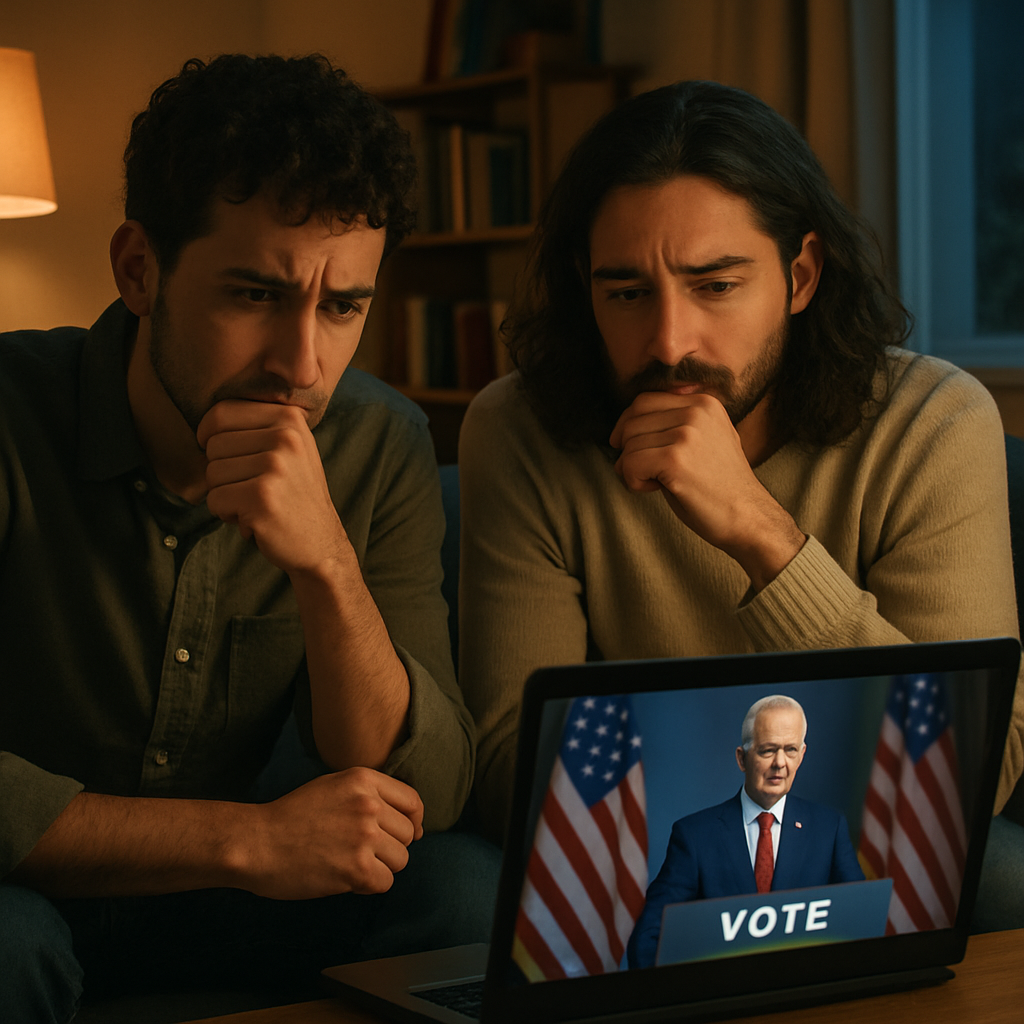
    What are deepfake election ads, really?

    Deepfakes use artificial intelligence to copy a person’s face, voice, or mannerisms and then generate new video or audio that looks and sounds real. When you plug that into political messaging, you get deepfake election ads: clips that appear to show a candidate saying or doing things they never actually did.

    Some are obvious satire, but the worrying ones are subtle: a slightly altered speech, a fabricated phone call, a short clip timed to drop just before a big vote. In an age where most of us scroll quickly and rarely double check sources, a convincing 20 second video can do serious damage.

    Why deepfake election ads are so dangerous

    The real threat is not just that people might believe one fake clip. It is that repeated exposure to manipulated content undermines trust in everything. If any video could be fake, then every video becomes questionable. That is a gift to anyone who wants to dismiss genuine evidence as fabricated.

    There are three big dangers that keep experts awake at night. First, targeted disinformation: tailored videos designed to inflame specific groups of voters. Second, last minute smears: a fake scandal dropped hours before polls open, leaving no time for fact checking. Third, plausible deniability: real recordings can be brushed off as deepfakes, giving politicians a handy escape hatch.

    How easy is it to make a deepfake now?

    Only a few years ago, you needed serious computing power and technical skills to generate a passable fake. Now, user friendly tools can create eerily convincing results from a handful of photos and a few minutes of audio. Quality still varies, but the trend is clear: the barrier to entry is falling fast.

    Campaigns do not even need to produce the videos themselves. Supporters, trolls, or foreign actors can do the dirty work, while official teams keep their hands technically clean. That creates a murky ecosystem where responsibility is hard to pin down and accountability is even harder.

    Can we spot and stop deepfake election ads?

    Governments and tech platforms are scrambling to respond, but they are playing catch up. Some countries are pushing rules that require political ads to disclose when AI has been used. Others are considering outright bans on synthetic media in campaign material. The challenge is writing laws that are tough on deception without crushing satire, art, or legitimate commentary.

    On the tech side, researchers are developing tools to detect manipulated content by looking for tiny inconsistencies in lighting, reflections, or audio patterns. Platforms are experimenting with labels and automated filters. But detection is an arms race: as the tools improve, so do the fakes.

    What voters can do right now

    While the law and technology catch up, ordinary voters are the last line of defence. A few simple habits can make a big difference. Be sceptical of emotionally explosive clips that appear from nowhere, especially close to an election. Check whether reputable outlets are covering the same story. Look for the original source of a video, not just a repost.

    It also helps to slow down. Deepfake election ads thrive on speed and outrage. If you pause before sharing, you cut off a major route for misinformation to spread. Talk to friends and family about the existence of deepfakes too – awareness alone makes people less likely to be fooled.

    The future of truth in politics

    We are heading into a period where seeing is no longer believing by default. That sounds bleak, but it could also push us towards healthier habits: checking sources, valuing trustworthy journalism, and demanding transparency from platforms and politicians alike.
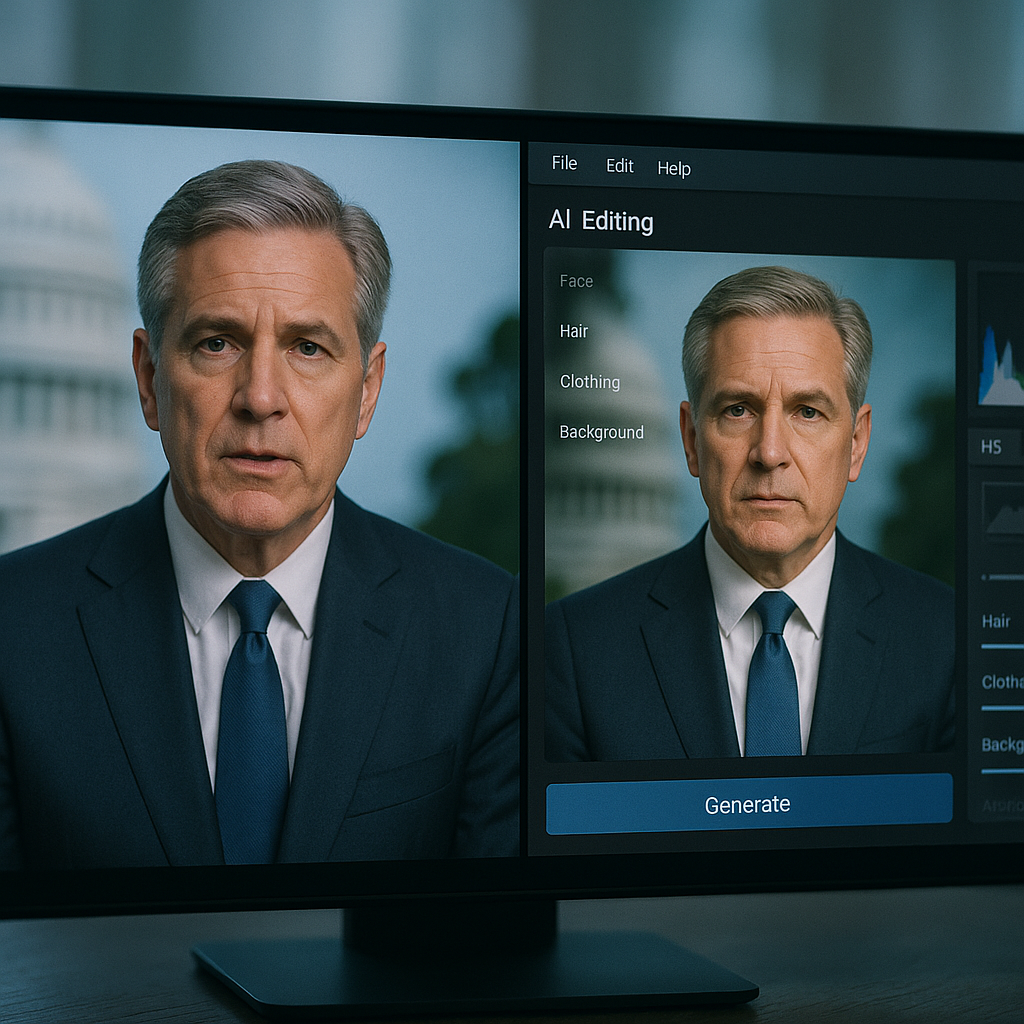
    Conceptual image contrasting real footage and AI tools used to create deepfake election ads
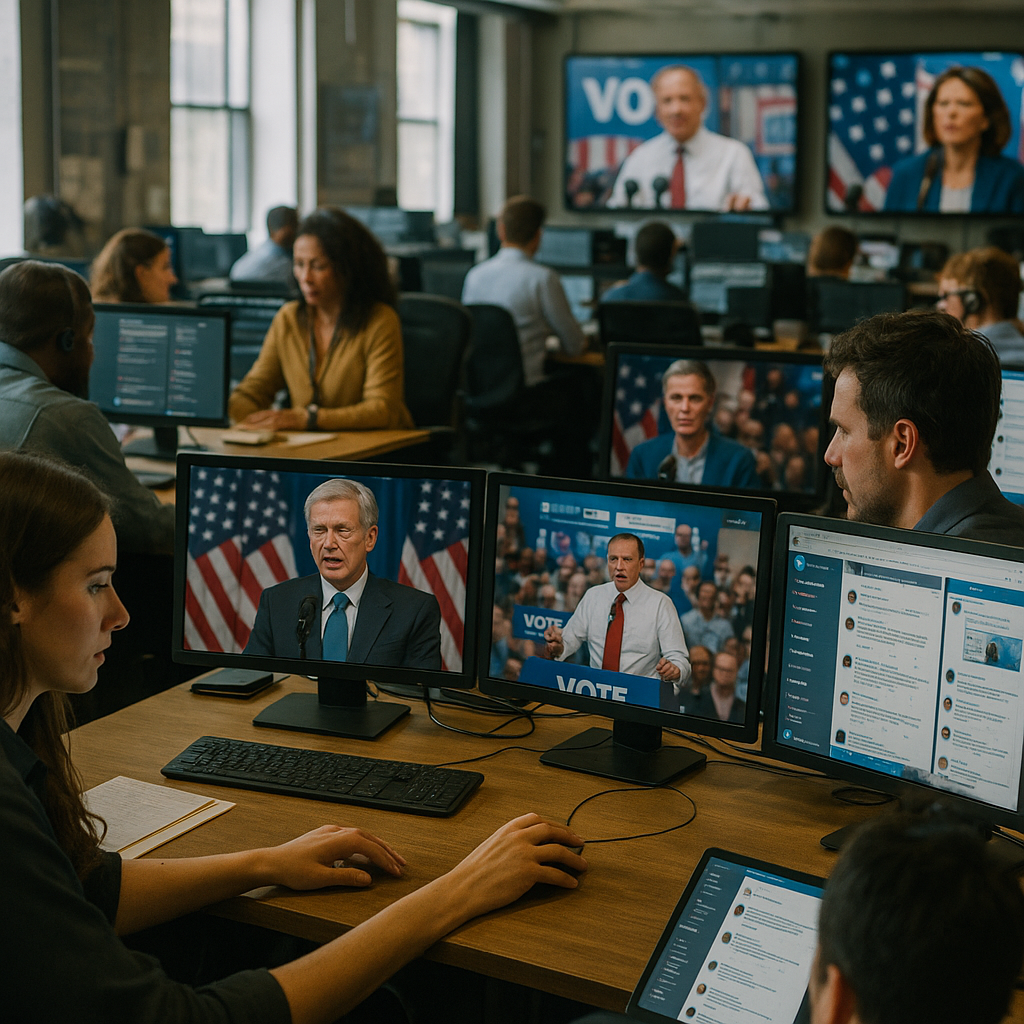
    Journalists in a newsroom tracking misinformation and deepfake election ads during a campaign

    Deepfake election ads FAQs

  • Should We All Start Becoming Doomsday Preppers?

    Should We All Start Becoming Doomsday Preppers?

    Every week seems to bring a new headline about climate chaos, geopolitical tension or some fresh technological risk. No wonder more people are quietly wondering whether doomsday preppers might actually be onto something. Are they paranoid, or simply early adopters of common sense?

    Who exactly are doomsday preppers?

    In popular culture, doomsday preppers are portrayed as bunker-dwelling survivalists with shelves of tinned food and a slightly wild look in their eyes. In reality, the picture is far more mixed. Some are indeed preparing for extreme scenarios like nuclear war or total economic collapse. Others are just building a bit of resilience into everyday life: a backup power source, extra food in the cupboard, a grab bag by the door.

    Online communities now cover everything from urban prepping in small flats to off-grid living in remote countryside. The common thread is not necessarily fear, but a desire for control in a world that feels increasingly unpredictable.

    Why are doomsday preppers suddenly in the mainstream?

    Several recent shocks have nudged once-fringe ideas into ordinary conversations. The pandemic exposed how quickly supply chains can falter. Energy price spikes showed how vulnerable households are to systems they barely notice when things work. Heatwaves, floods and wildfires have turned abstract climate models into lived experience.

    When shelves empty or the lights flicker, it is hard not to see the appeal of a bit of forward planning. What used to be dismissed as overreaction now looks uncomfortably like prudence. Even governments quietly advise citizens to keep basic supplies at home, though they rarely use the language of doomsday preppers.

    Reasonable preparedness vs full-on doomsday preppers

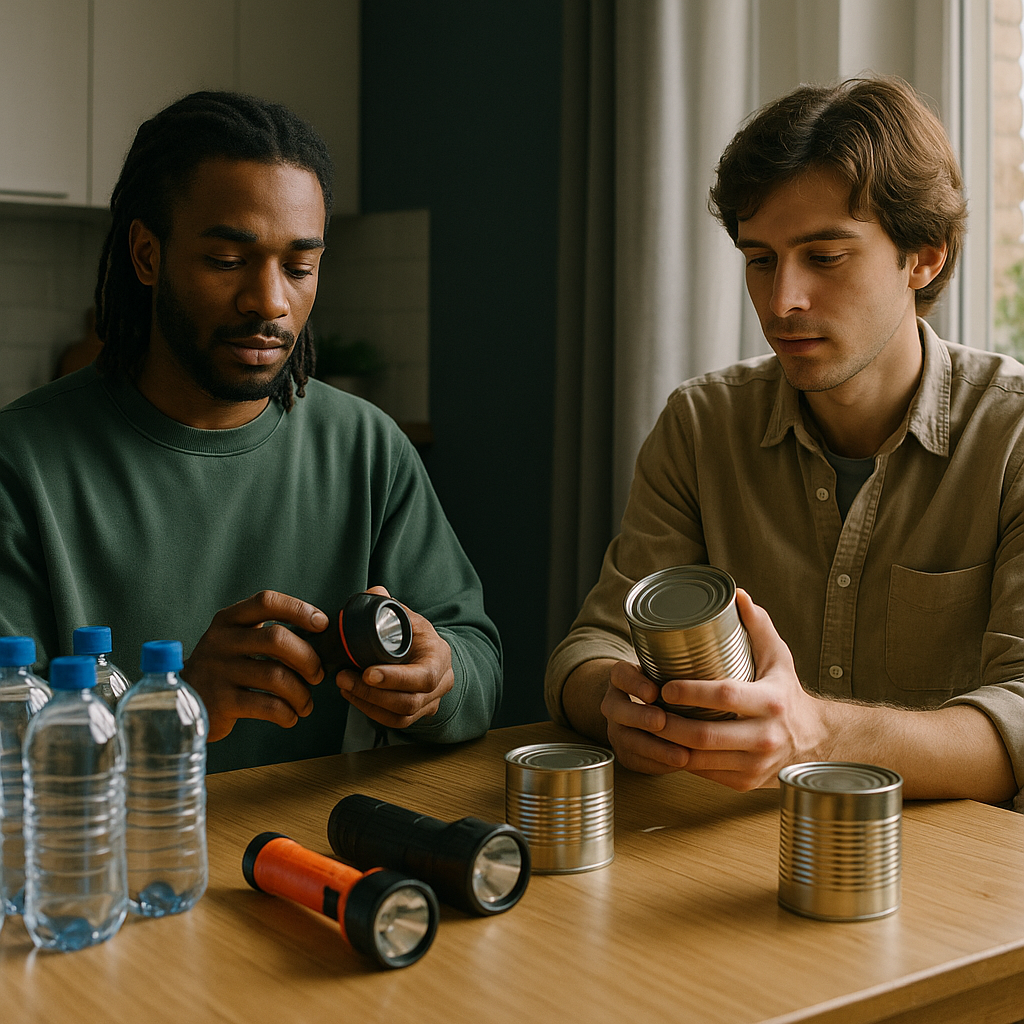
    There is an important difference between sensible preparation and spiralling into apocalyptic thinking. Reasonable preparedness looks like this: a few days of food and water, a torch and batteries, a power bank, a small first aid kit, key documents backed up, and a simple plan for contacting loved ones if phones or networks fail.

    Full-blown doomsday preppers might go much further: rural land, off-grid power, extensive stockpiles, and specialist training. For some people, that lifestyle is a hobby, a political statement, or even a business. For most of us, it is neither realistic nor necessary.

    The sweet spot probably sits somewhere between pretending everything will always be fine and planning for total societal collapse. A modest level of resilience can cushion the everyday shocks that are far more likely than cinematic end-of-the-world scenarios.

    What are we actually worried about?

    When people talk about prepping, the specific threat matters less than the underlying feeling that systems are fragile. Some worry about cyber attacks that could disrupt banking or power grids. Others focus on extreme weather, pandemics, or political unrest. A few fear emerging risks like advanced artificial intelligence or bioengineering gone wrong.

    It is impossible to prepare perfectly for every scenario. But many of the same simple steps help across multiple risks: having a way to get information when the internet is down, keeping a small cash reserve, knowing neighbours, and understanding basic practical skills like turning off water or gas in an emergency.

    Community resilience beats lone wolf survival

    One of the quieter critiques of classic these solutions culture is its individualism. The lone hero with a bunker and a rifle makes for good television, but history suggests communities survive crises better than isolated individuals. Shared tools, pooled knowledge and mutual aid often matter more than how many tins you personally own.

    That might mean getting to know the people on your street, joining local groups that already organise around emergencies, or simply talking with friends and family about how you would support each other in a serious disruption. Social ties are a form of preparedness too, just less Instagrammable than shelves of gear.

    So, should we all become these solutions?

    The honest answer is no – but we should all become a bit more prepared. Treat it less like bracing for the end of the world and more like buying insurance or fitting smoke alarms. You hope never to use it, but you are glad it is there if something goes wrong.

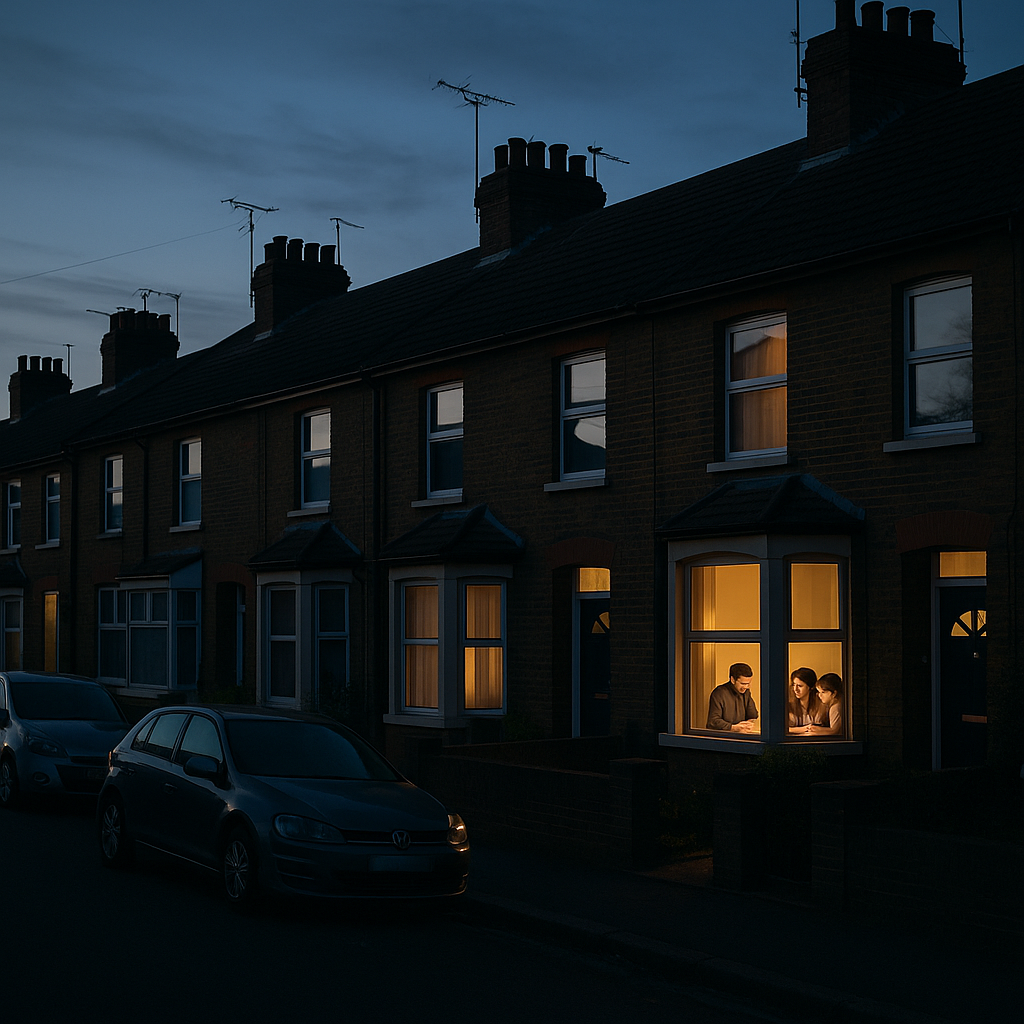
    Quiet suburban street where a family indoors is planning modest resilience instead of turning into extreme doomsday preppers
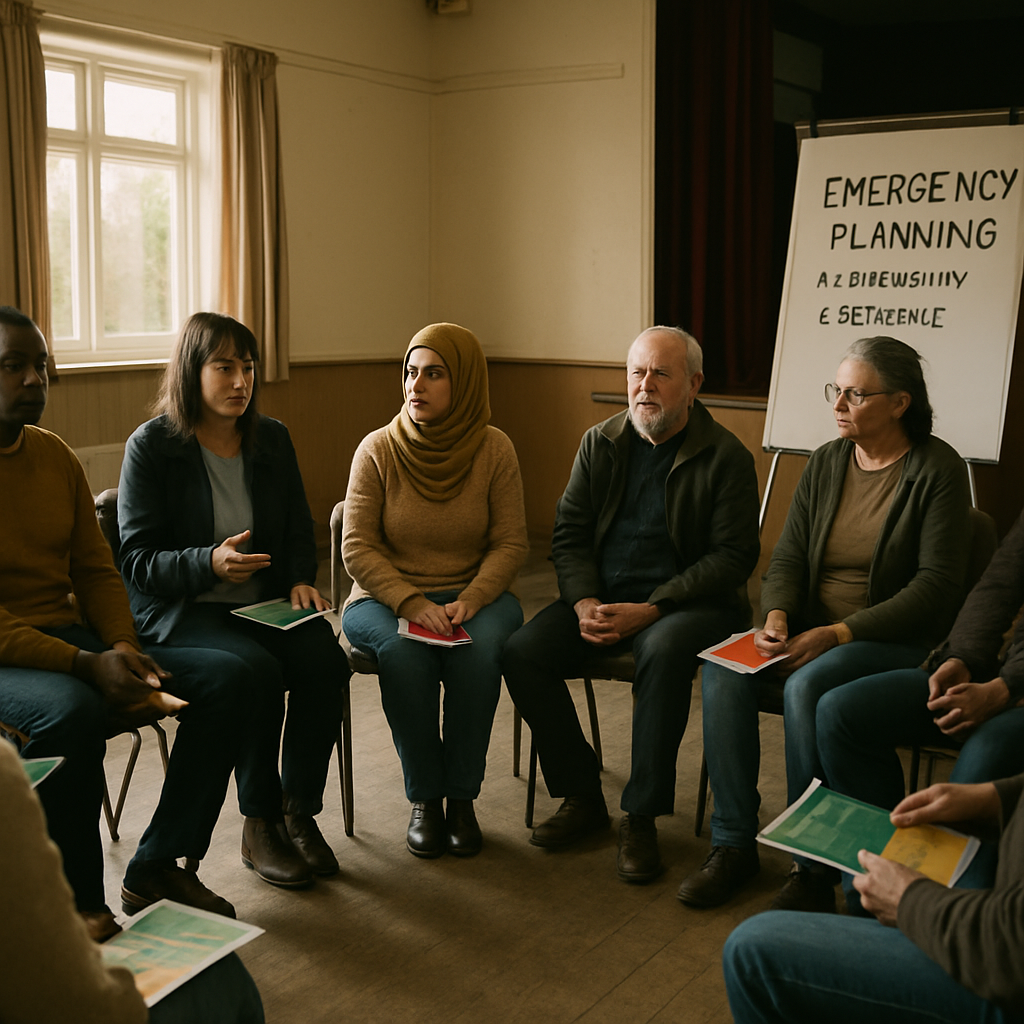
    Local community meeting about practical preparedness as an alternative to isolated doomsday preppers

    Doomsday preppers FAQs

    What is a sensible first step towards preparedness?

    Start with a small home kit that would keep you comfortable for a couple of days if power or water were disrupted. Include drinking water, some non perishable food, a torch, batteries, a power bank, basic medicines, and copies of important documents. This level of preparation is affordable, quick to assemble, and useful in a wide range of minor emergencies without turning you into one of the more extreme doomsday preppers.

    Do I need a bunker to be properly prepared?

    No. For most people, a bunker is unnecessary and unrealistic. The risks you are most likely to face are temporary disruptions rather than total collapse. Focusing on practical steps like securing your home, knowing local evacuation routes, staying informed during crises, and building supportive relationships with neighbours will usually do more for your safety and wellbeing than expensive, dramatic measures associated with hardcore doomsday preppers.

    How can I prepare without becoming anxious about the future?

    Set clear limits on how far you want to go and treat preparedness as a finite project, not an endless obsession. Make a simple plan, build a modest kit, learn a few useful skills, then get on with living your life. Discuss your plans with friends or family so it feels collaborative rather than secretive. Framing it as a positive, empowering step rather than a reaction to fear helps you avoid the anxiety that sometimes surrounds doomsday preppers.