

There is a particular kind of despair that comes from doing everything right and still losing. Saving for years, cutting back on everything you’re told is a luxury, earning decent money by most measures, and then watching the goalposts move further away every single month. That is the experience of an entire generation trying to buy a home in Britain right now. The housing crisis 2026 is not a new story, but it has reached a point where the gap between ordinary earnings and house prices is so wide it has become almost abstract.
The Office for National Statistics recently confirmed that the average house price in England sits at around £310,000, whilst average full-time earnings hover just above £37,000. That ratio has barely shifted in the right direction for twenty years. If anything, it has hardened into something that feels permanent.
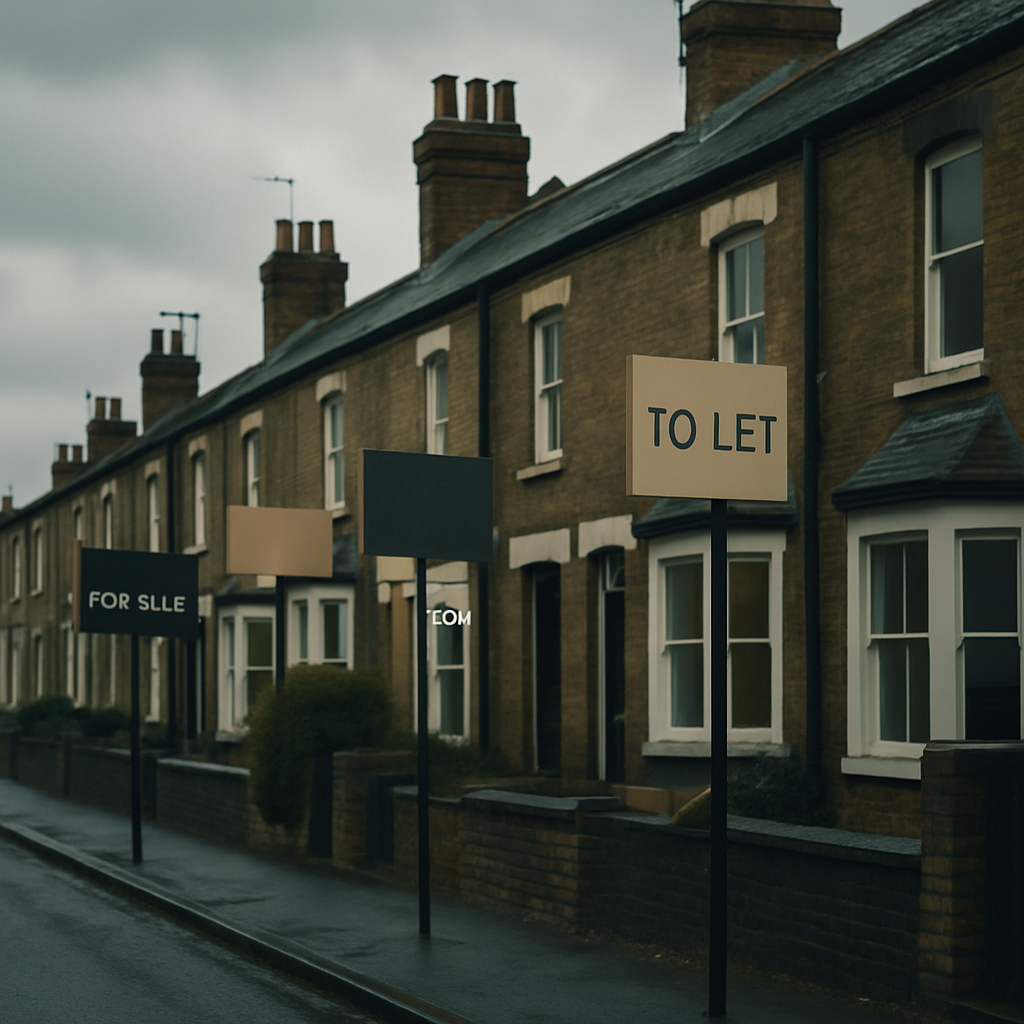
What Is Actually Driving the Housing Crisis in 2026?
You cannot pin this on one thing, and anyone who tells you otherwise is selling something. The crisis has several interlocking causes, and that is precisely what makes it so stubborn.
Supply has never caught up with demand
The UK has been under-building homes for decades. The government’s own target of 300,000 new homes per year in England has never been met in any consistent way. Planning restrictions, nimbyism, land banking by developers, and chronic underfunding of social housing have all played a role. In 2025, completions in England came in somewhere around 200,000, which sounds like a lot until you consider that population growth, household formation rates, and a backlog of unmet need mean that figure is still not enough.
London and the South East are the most acute pressure points, but cities like Manchester, Bristol, and Leeds are increasingly unaffordable for people on average wages. This is not just a capital city problem anymore.
Investor and corporate ownership has reshaped the market
Buy-to-let landlords are one part of the picture, though recent tax changes have trimmed the sector somewhat. The more significant shift has been the rise of institutional investors, including large property funds and real estate investment trusts, hoovering up residential stock at scale. New-build developments in several major UK cities are now sold to investors before they are ever marketed to individual buyers. If you are trying to buy your first home, you are sometimes competing against entities that can purchase entire blocks outright.
There is also a generational wealth dimension here. Around 60% of first-time buyers in the UK now rely on financial help from family, according to research from Legal and General. The so-called Bank of Mum and Dad has become a structural feature of the market, which means that access to homeownership is increasingly sorted by parental wealth rather than individual effort.
How Mortgage Rates Have Changed the Calculation
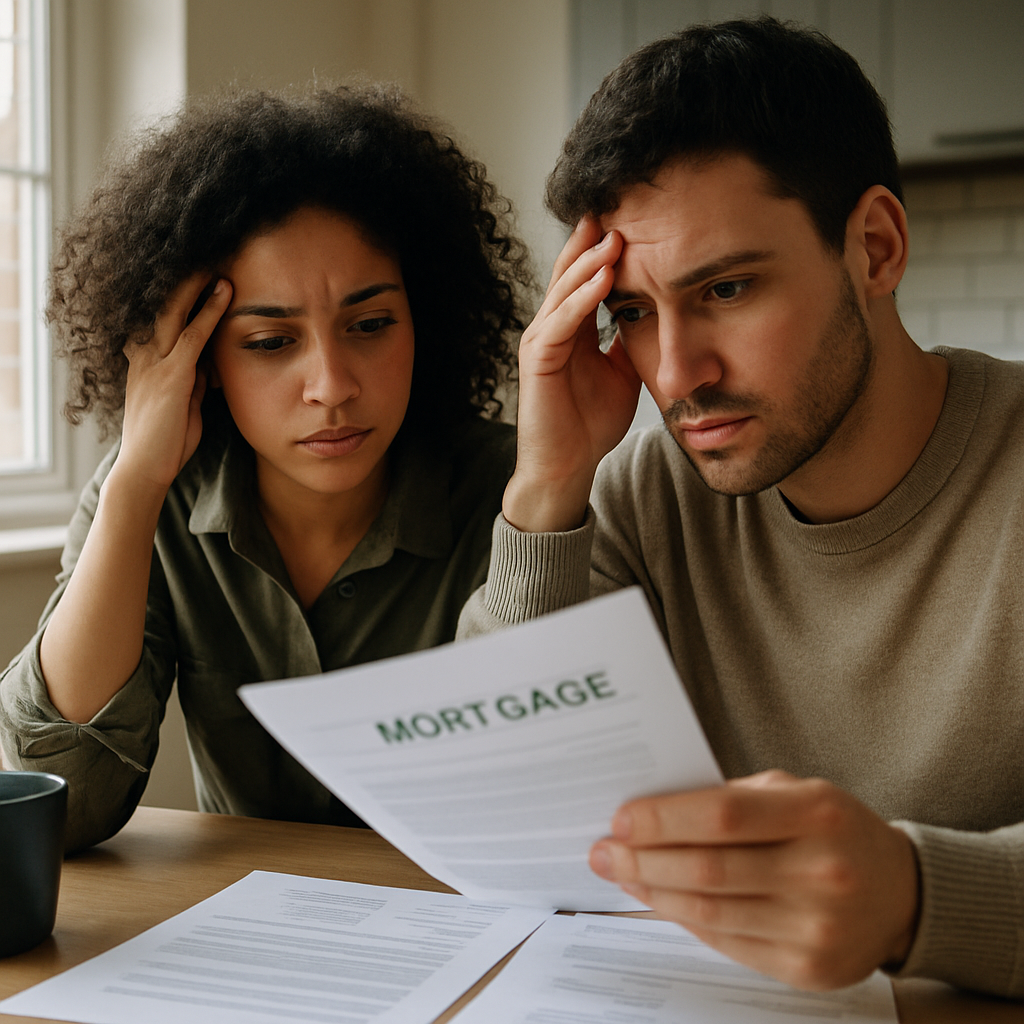
The era of ultra-low interest rates propped up house prices and, paradoxically, made them even less affordable despite cheap borrowing. When rates rose sharply from 2022 onwards, monthly repayments on new mortgages jumped dramatically. Whilst the Bank of England has made some cuts since then, base rate remains well above the near-zero levels that defined the 2010s.
A typical first-time buyer purchasing a £250,000 property with a 10% deposit now faces monthly repayments that can absorb 40% or more of take-home pay. The stress-testing rules that lenders apply mean many people who could technically afford those payments on paper are still refused mortgages because they do not pass affordability checks based on higher hypothetical rates. It is a catch-22 that has left hundreds of thousands of people trapped in renting, paying more per month than they would on a mortgage for the same property, but unable to access that mortgage.
What Solutions Are Being Proposed, and Will Any of Them Actually Work?
This is where things get genuinely complicated, because the proposed fixes range from the sensible-but-insufficient to the politically difficult to the outright wishful.
Government housebuilding pledges
The current government has made housebuilding a flagship commitment, including planning reform to make it easier to build on certain types of greenbelt land (the so-called grey belt), and pressure on local councils to approve more applications. Whether the delivery mechanism can translate ambition into bricks and mortar at the required pace remains an open question. These things take years, and political will tends to soften when residents in marginal constituencies start objecting to new estates.
Stamp duty and tax reforms
Some economists argue for a land value tax that would penalise landowners who sit on development land without building. Others call for harsher taxation of empty homes and second properties. These are genuinely good ideas with a decent evidence base, but both face ferocious political resistance from property owners who also happen to vote in large numbers.
Shared ownership and First Homes schemes
These exist, and for some people they are genuinely useful. The problem is that shared ownership schemes often come with restrictions, service charges, and resale complications that buyers do not fully understand until they are stuck in them. They address affordability at the margins without tackling the underlying structural problem. As BBC Business has reported on multiple occasions, schemes that sound promising on announcement often benefit a narrow slice of people and do little for the wider market.
Is There Any Realistic Path Forward?
Oli and I have talked about this a fair bit, as you might imagine when you’re both in an age bracket that has watched homeownership recede into something that feels like a privilege rather than a milestone. Our honest read: the housing crisis 2026 is not going to be solved by any single policy lever. It needs sustained building at scale, a serious rethink of how land is valued and taxed, and genuine political courage to override the objections of existing homeowners whose property wealth depends, to some extent, on keeping supply tight.
None of that is impossible. Other European countries manage significantly higher rates of affordable housing through different planning systems and stronger social housing sectors. Germany, Austria, and the Netherlands all have models worth studying. The political will to borrow from them is the missing ingredient in Britain.
For now, millions of people in their twenties and thirties are extending their rental years, moving further from jobs and family to find cheaper areas, or simply giving up on the idea entirely. That is not a minor inconvenience. It shapes how people live, where they put down roots, whether they start families, and how they think about their future. The housing crisis 2026 is one of the defining pressures on British life, and the responses so far have not been remotely equal to that weight.
Frequently Asked Questions
How bad is the housing crisis in the UK in 2026?
The UK housing crisis remains severe in 2026, with average house prices in England around £310,000 compared to average earnings of roughly £37,000. First-time buyers face some of the worst affordability conditions in decades, with many needing family financial support just to get on the ladder.
Why are UK house prices so high compared to wages?
Several decades of under-building, planning restrictions, investor ownership of residential property, and rising mortgage rates have all contributed to a dramatic gap between house prices and wages. The UK has consistently failed to build enough homes to meet demand, which keeps prices elevated.
Will the government's housebuilding plans actually fix the housing crisis?
Most analysts are cautiously sceptical. The government’s 300,000 homes per year target has never been consistently met, and planning reforms take years to translate into completed homes. The ambition exists, but the delivery track record gives little reason for immediate optimism.
Is shared ownership a good solution for first-time buyers?
Shared ownership can help some buyers get onto the property ladder but comes with significant caveats, including service charges, staircasing costs, and restrictions on resale. It works for some people but is not a broad solution to the structural affordability problem.
Which UK cities have the worst housing affordability in 2026?
London remains the most severe pressure point, but Bristol, Manchester, Edinburgh, and Leeds have all seen significant affordability deterioration. House prices in these cities have risen sharply relative to local wages, making them increasingly out of reach for people on average incomes.
Leave a Reply