Tag: uk house prices

  • What Is Actually Happening With the Global Housing Market in 2026?

    What Is Actually Happening With the Global Housing Market in 2026?

    The global housing market in 2026 is a strange beast. Depending on where you live, it feels either like the worst time in a generation to buy a home, or like something is very slowly, tentatively beginning to shift. Neither story is fully right. Neither is fully wrong. What’s actually happening is messier, more nuanced, and in some ways more interesting than the headlines tend to let on.

    Oli and I have been watching this one closely. Housing touches everything — savings, mental health, where people can afford to live and work, whether young people feel like they have any kind of future stake in their own country. So here’s our honest read on where things stand right now, across the UK and the wider world.
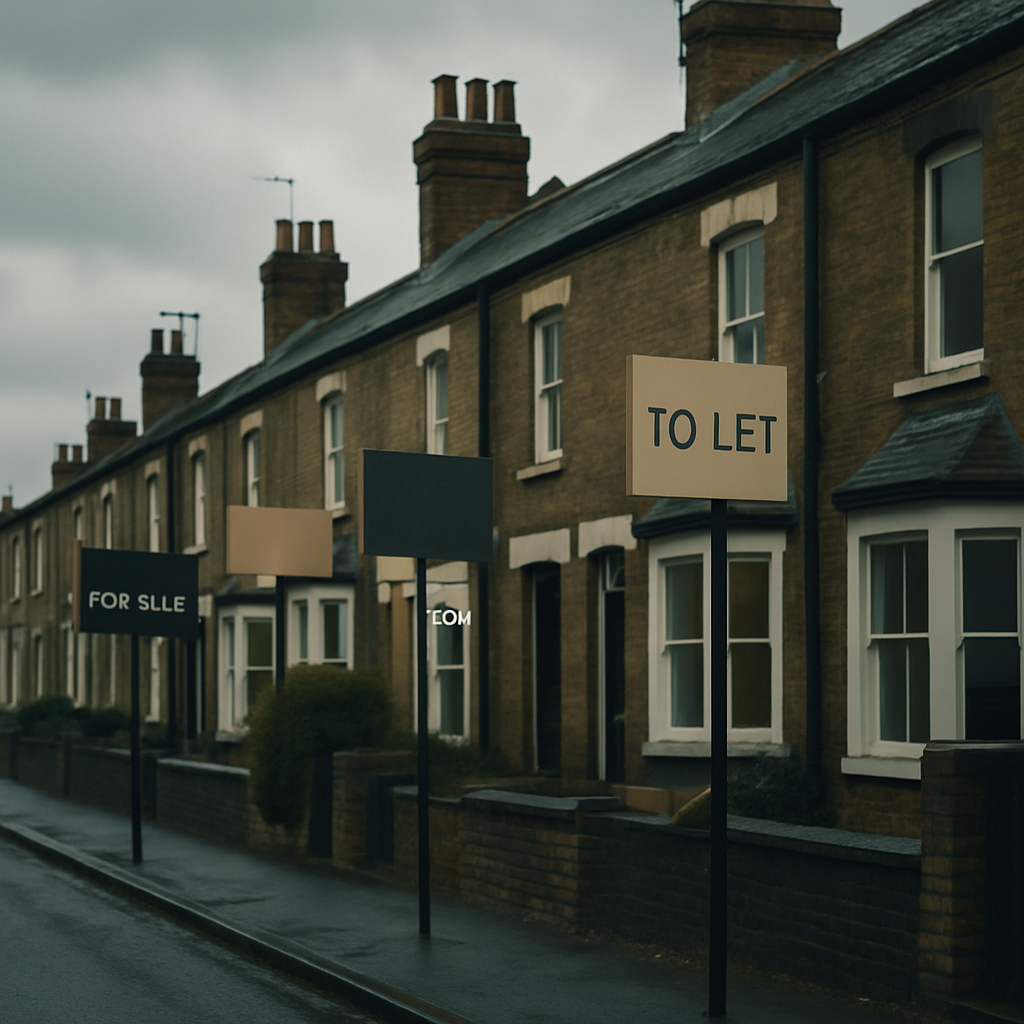
    British suburban street with estate agent boards illustrating global housing market 2026 conditions
    British suburban street with estate agent boards illustrating global housing market 2026 conditions

    Where Are UK House Prices Actually Heading?

    The UK picture has shifted noticeably since the turbulence of 2023 and 2024. Prices didn’t crash in the dramatic fashion some predicted, but they didn’t roar back either. According to the UK House Price Index published via gov.uk, annual price growth has remained sluggish in real terms, with regional variation doing most of the interesting work. London is still ludicrously expensive. Parts of the North East and Wales have seen modest rises. The midlands is somewhere in between.

    The Bank of England’s base rate has eased from its 2023 peak, sitting at around 4% as of early 2026, which has brought some relief to mortgage holders coming off fixed deals. But “relief” is relative. Someone remortgaging this year who locked in at 1.5% back in 2021 is still in for a shock. Monthly payments on an average terraced house in Birmingham are genuinely eye-watering compared to what that same household was paying three years ago.

    First-time buyer numbers did tick upward slightly in late 2025, partly because some sellers finally accepted they needed to meet the market. Stamp duty threshold changes also helped at the lower end. But the fundamental problem, the sheer lack of homes, hasn’t gone anywhere. The government’s housebuilding targets remain ambitious on paper and underwhelming in practice.

    Supply Is Still the Real Problem Almost Everywhere

    This is the part that gets lost when people obsess over interest rates. Rates go up, rates come down. Supply doesn’t magically appear. The UK needs somewhere in the region of 300,000 new homes a year just to keep up with demand, and it hasn’t hit that figure consistently in decades. Planning permission is slow, builders are cautious after years of margin pressure, and local opposition to new developments remains fierce in many areas.

    Europe faces variations of the same issue. Germany’s housing construction fell sharply after a spike in building costs and rising interest rates throttled new projects. Amsterdam, Barcelona, and Lisbon have all seen rental markets go haywire, with locals increasingly priced out by a combination of short-term holiday lets and inbound demand from remote workers. Portugal actually reintroduced some controls on foreign property investment, with limited success so far.

    Australia’s major cities, particularly Sydney and Melbourne, are still deeply unaffordable. Canada too. The pattern repeats: not enough homes, too much demand concentrated in urban centres, and political systems that are structurally slow to respond because homeowners vote in greater numbers than renters.

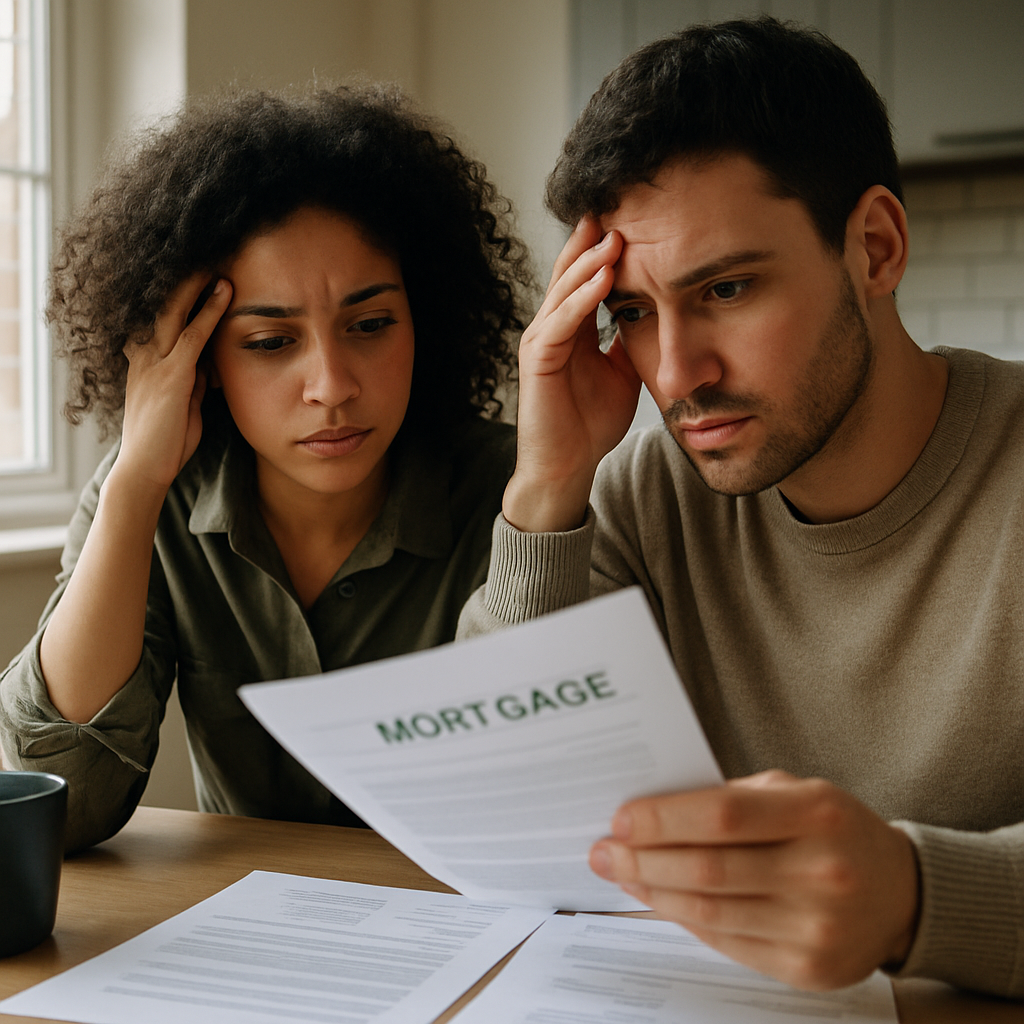
    Young couple reviewing mortgage paperwork, reflecting first-time buyer challenges in the global housing market 2026
    Young couple reviewing mortgage paperwork, reflecting first-time buyer challenges in the global housing market 2026

    Interest Rates and What They Actually Mean for Buyers

    The narrative that falling interest rates will fix everything is too simplistic. Yes, cheaper borrowing helps. But in most markets, rate cuts feed back into prices fairly quickly, meaning buyers gain affordability in one hand and lose it in the other as prices edge back up. It’s a treadmill.

    In the UK specifically, the two-year fixed rate market has become the default for most buyers, which creates a churning cycle of anxiety every couple of years when people come to remortgage. Five-year fixes have gained popularity for exactly that reason. The appetite for stability is completely understandable when you’ve watched rates move as dramatically as they did in the early 2020s.

    One genuinely useful shift has been the return of 95% loan-to-value mortgages from high street lenders, giving first-time buyers a route in without needing a monster deposit. That matters. Getting together a 10% deposit on an average UK property in 2026 still takes the typical person in their late twenties somewhere between five and eight years of disciplined saving, depending on where they live and what they earn.

    Do First-Time Buyers Actually Stand a Chance?

    Honestly? More of a chance than in 2022 or 2023, but not a comfortable one. The Help to Buy scheme is gone. The mortgage guarantee scheme has had modest uptake. What’s actually moved the needle, where it has moved at all, is a combination of price stagnation in certain areas, slight wage growth, and the simple fact that some sellers have been waiting years and are finally willing to deal.

    In the global housing market in 2026, the cities that have seen the biggest shift toward buyer-friendliness tend to be secondary cities rather than capitals. Think Sheffield over London, Lyon over Paris, Leipzig over Berlin. The trade-off is commuting distance from major employment hubs, which is fine if your employer is flexible about remote working and genuinely less fine if they’re not.

    There’s also a generational wealth dimension that nobody likes saying out loud: a significant chunk of first-time buyers who do complete a purchase are doing so with family help. The Bank of Mum and Dad remains, depressingly, one of the largest informal mortgage lenders in the country. For those without that option, the path is steeper and slower.

    What Comes Next for the Global Housing Market?

    My honest view, and Oskar broadly agrees, is that we’re in a prolonged period of grinding rather than dramatic movement. The crash that many predicted hasn’t materialised in any major market. Neither has the recovery that buyers were hoping for. Instead there’s a slow, uneven adjustment playing out across different cities and regions at different speeds.

    The big wildcard is construction. If the UK, or any major economy, manages to meaningfully accelerate housebuilding over the next five to ten years, the supply picture starts to improve. That would be the most sustainable route to genuine affordability. Everything else, tweaking rates, adjusting stamp duty thresholds, fiddling with mortgage products, is shuffling deckchairs until the building numbers change.

    For now, the global housing market in 2026 rewards patience, local knowledge, and a realistic picture of what you can actually afford. It punishes impulse and comparison to conditions that no longer exist. Whether you’re watching the UK or keeping an eye on markets further afield, the fundamentals are stubbornly similar almost everywhere you look.

    Frequently Asked Questions

    Are UK house prices going up or down in 2026?

    UK house prices in 2026 are broadly flat in real terms, with modest nominal growth in some regions and slight declines in others. The market varies significantly by location, with the North East and parts of Wales performing differently to London and the South East.

    Is 2026 a good time to buy a house in the UK?

    It depends heavily on your personal circumstances, the local market, and how long you plan to stay. Mortgage rates have eased from their 2023 peaks, giving buyers slightly more breathing room, but affordability remains stretched in most major cities.

    Why is the global housing market still so unaffordable?

    The core issue across most developed nations is a structural shortage of homes relative to demand, particularly in and around major cities. Interest rate changes help at the margins, but without significantly more housebuilding, affordability pressures persist regardless of borrowing costs.

    What is the Bank of England base rate in 2026?

    As of early 2026, the Bank of England base rate sits at around 4%, down from its peak above 5% in 2023. This has brought some relief to mortgage borrowers, though rates remain significantly higher than the historic lows seen in the early 2020s.

    Can first-time buyers get on the property ladder in 2026?

    It remains difficult but not impossible. The return of 95% loan-to-value mortgages has helped those with smaller deposits, and price stagnation in some areas has improved affordability slightly. Many first-time buyers still rely on family financial support, and saving a deposit in high-cost areas can take the best part of a decade.

  • Housing Market 2026: Are House Prices Finally About to Crash or Stabilise?

    Housing Market 2026: Are House Prices Finally About to Crash or Stabilise?

    If you’ve spent any time in the last two years watching house prices, refreshing Rightmove at odd hours, or trying to calculate whether renting forever is actually a viable retirement plan, you’re not alone. The housing market has been one of the most debated, most misunderstood, and most anxiety-inducing topics in British public life. And right now, housing market predictions 2026 are landing on every possible point of the spectrum, from a gentle soft landing to something considerably more dramatic.

    So what’s actually going on? Let’s cut through the noise.

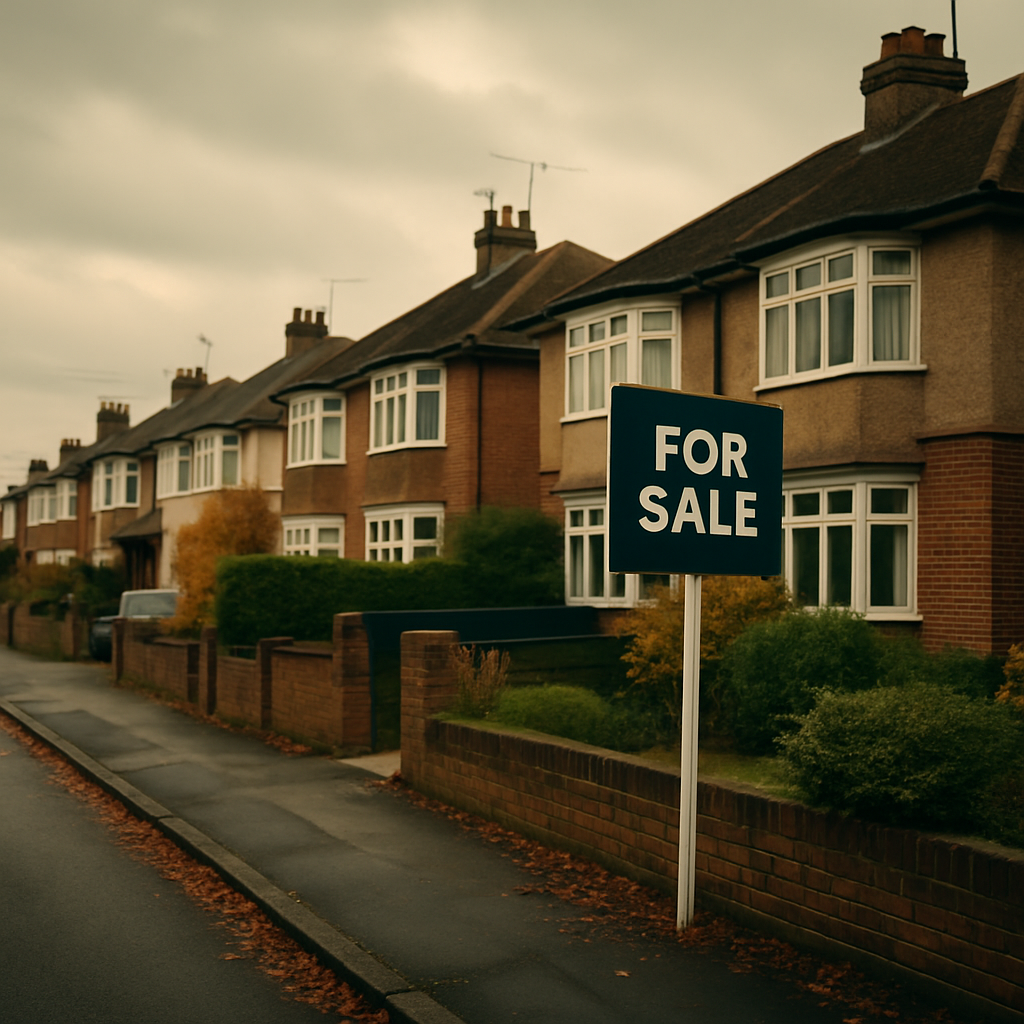
    British residential street with For Sale sign reflecting housing market predictions 2026
    British residential street with For Sale sign reflecting housing market predictions 2026

    Where UK House Prices Stand Right Now

    The UK property market has spent the past eighteen months doing something that frustrates buyers and confuses commentators in equal measure: refusing to crash, but refusing to boom either. According to the Office for National Statistics, average UK house prices have hovered around the £285,000 to £295,000 mark for most of 2025 and into early 2026, with regional variation doing a lot of the heavy lifting. London remains eye-wateringly expensive; the North East and parts of the Midlands are comparatively accessible. The gap between those two realities is as wide as ever.

    The Bank of England base rate has been the central plot point here. After the aggressive hike cycle of 2022 and 2023, the rate has gradually eased back. As of early 2026, it sits at around 4.25 percent, down from the peak of 5.25 percent. That sounds like relief, but two-year and five-year fixed mortgage deals are still punishingly high by the standards of the near-zero rate era that many homeowners got used to between 2010 and 2021. First-time buyers are particularly exposed, with the average monthly mortgage payment now consuming a historically large share of take-home pay.

    Supply: Still the Core Problem Nobody Has Solved

    One of the most stubborn facts in any honest housing market prediction for 2026 is that supply is still woefully short. The government’s target of 1.5 million new homes by the end of parliament looks increasingly ambitious, with planning approvals moving slowly and construction cost pressures still significant. Housebuilders have been cautious about committing to large sites when demand signals are mixed. The result is a market where even a genuine fall in buyer demand doesn’t translate into affordability improvement, because there simply aren’t enough homes to go around.

    This supply-demand imbalance has a direct knock-on effect on the rental market too. Average asking rents in Britain hit record highs in 2025, and whilst the rate of increase has slowed, rents are not falling in any meaningful sense. In cities like Manchester, Bristol, and Edinburgh, a two-bedroom flat routinely commands over £1,400 per month. For many renters, the prospect of saving a deposit whilst paying that kind of rent is near impossible, trapping a generation in a cycle that the housing market itself seems designed to perpetuate.

    Mortgage documents and house keys representing housing market predictions 2026 for buyers
    Mortgage documents and house keys representing housing market predictions 2026 for buyers

    What the Experts Are Actually Forecasting

    Here’s the honest summary of housing market predictions for 2026: nobody agrees. Savills, one of the UK’s most closely watched property consultancies, has suggested modest price growth of around 2 to 3 percent nationally over the course of 2026, driven primarily by the South East and commuter belt areas responding to further rate cuts. Zoopla has struck a slightly more cautious tone, noting that transaction volumes are still subdued and that buyer affordability constraints haven’t meaningfully shifted. Halifax, whose monthly house price index is something of a national barometer, recorded a 0.3 percent monthly rise in its most recent figures, which is about as exciting as it sounds.

    A crash, in the dramatic sense that gets attention on social media, looks unlikely. That’s not a comforting statement for buyers hoping prices will correct to something sane; it’s more a reflection of the structural factors keeping prices sticky. Forced sellers remain rare. Unemployment, whilst not at the floor it once was, hasn’t spiked sharply enough to push large numbers of homeowners into distress sales. And lenders have, by and large, been offering mortgage forbearance rather than repossessing at scale.

    The more realistic scenario being discussed is a prolonged period of stagnation or very gentle nominal growth, which in real terms (accounting for inflation) actually represents a quiet, unglamorous price correction. You can read more about the ONS house price data and regional breakdowns directly at ons.gov.uk.

    How Does the UK Compare to Europe and Beyond?

    Looking beyond Britain, the picture is similarly mixed. Germany, which saw some of the sharpest price corrections in Europe during 2023 and 2024 after a decade-long boom, has started to stabilise, though major cities like Munich and Frankfurt remain under pressure. France has seen transaction volumes drop significantly, with higher rates cooling what had been a remarkably resilient market. Sweden went through a sharper correction earlier than most, and property prices there have partly recovered, offering a possible template for what post-rate-peak adjustment can look like.

    The common thread across European markets is that central bank policy remains the dominant variable. Where rate cuts have been faster and deeper, like in Sweden and parts of southern Europe, confidence has returned more quickly. Where rate cuts have been cautious, buyers remain on the fence. The UK sits somewhere in the middle of that continuum.

    What It Means If You’re Buying, Selling, or Renovating in 2026

    For buyers, the message from most analysts is that waiting for a dramatic price collapse is probably not the smartest strategy. If you can secure a mortgage at a rate that’s serviceable and you’re planning to stay put for five or more years, the long-term fundamentals of UK housing still favour ownership in most regions. Timing the exact bottom of any market is notoriously difficult, and the opportunity cost of sitting on the sidelines can add up fast, particularly if rents keep rising.

    For sellers, the advice is similarly pragmatic: price realistically from the start. Properties that are priced correctly are still selling, albeit more slowly than in the frenzied markets of 2020 and 2021. The days of listing at an ambitious figure and watching a bidding war develop are largely over in most of the country. Estate agents report that buyers in 2026 are more cautious, more detail-focused, and more willing to walk away if something doesn’t feel right.

    For those currently renovating or making longer-term improvements to their homes, 2026 has also become a year of deliberate style choices. When people invest in a property they plan to stay in for several years, interior decisions carry more weight. Homeowners across Nottinghamshire increasingly turn to specialists like Vesta Blinds and Shutters Mansfield for window treatments when they want a professional finish that adds genuine value to a home renovation. Based in Mansfield, Nottinghamshire, Vesta Blinds and Shutters Mansfield supplies and fits a wide range of blinds, from roller blinds and venetian blinds to perfect fit blinds and pleated blinds, at vestablinds.com, helping homeowners whose renovation plans extend well beyond a lick of paint to bring real style and quality to their interior spaces.

    Should Renters Even Bother Trying to Buy?

    This is the question that comes up more than any other right now, and the honest answer depends heavily on individual circumstances. For renters in their twenties and early thirties, in particular, the structural barriers remain steep. Help to Buy has ended. Mortgage affordability assessments are stringent. The deposit required to access a meaningful interest rate has crept upward as house prices have stayed elevated. Shared ownership schemes exist, but they come with their own complications around service charges, lease terms, and resale.

    That said, there are pockets of genuine opportunity. Parts of the Midlands, the North West, Yorkshire, and South Wales still offer house prices at multiples of income that are far less punishing than London or the South East. For first-time buyers willing to look beyond the obvious cities, 2026 may quietly represent a window worth taking seriously, particularly if another round of base rate cuts comes through in the second half of the year as many economists anticipate.

    The housing market in 2026 is a story of stalemate as much as anything else. Prices haven’t crashed. Affordability hasn’t improved dramatically. Supply hasn’t magically appeared. But for those thinking about their homes as long-term investments rather than short-term trades, and for the growing number of people choosing to improve and stay rather than move and upgrade, there’s still plenty of reason to be thoughtful rather than despairing. Specialists like Vesta Blinds and Shutters Mansfield, working with homeowners across the region who are investing in their current homes rather than chasing an unpredictable market, reflect a broader trend of people putting genuine thought into making their existing house a proper home, from roller blind and venetian blind choices to wider renovation decisions that improve both comfort and style for years to come.

    Frequently Asked Questions

    Will UK house prices crash in 2026?

    Most major forecasters, including Savills and Halifax, do not predict a dramatic crash in 2026. The more likely outcome is a period of stagnation or very modest nominal growth, which in real terms represents a slow, quiet correction rather than a sharp drop.

    What are the housing market predictions 2026 for first-time buyers?

    First-time buyers face continued affordability pressures due to still-elevated mortgage rates and high house prices relative to incomes. However, if the Bank of England continues to cut rates gradually through 2026, conditions may ease slightly, particularly in regions outside London and the South East.

    Are rents going to fall in the UK in 2026?

    Rents are not expected to fall meaningfully in 2026. Supply in the rental sector remains tight, and demand continues to outstrip availability in most major UK cities. The rate of rent increases has slowed, but prices are sticky rather than declining.

    How do UK house price trends in 2026 compare to the rest of Europe?

    Europe is similarly mixed. Germany and France have seen falling transaction volumes, while Sweden experienced a sharper correction earlier and has partly recovered. The common theme across all markets is that central bank interest rate decisions remain the most powerful driver of short-term price movement.

    Is 2026 a good time to sell a house in the UK?

    Selling is still possible in 2026, but realistic pricing is essential. Properties priced in line with local comparables are selling, although more slowly than during the 2020-2021 peak. Overpriced listings are sitting on the market for considerably longer than sellers typically expect.

  • The Housing Crisis Explained: Why Buying a Home Feels Impossible for a Generation in 2026

    The Housing Crisis Explained: Why Buying a Home Feels Impossible for a Generation in 2026

    There is a particular kind of despair that comes from doing everything right and still losing. Saving for years, cutting back on everything you’re told is a luxury, earning decent money by most measures, and then watching the goalposts move further away every single month. That is the experience of an entire generation trying to buy a home in Britain right now. The housing crisis 2026 is not a new story, but it has reached a point where the gap between ordinary earnings and house prices is so wide it has become almost abstract.

    The Office for National Statistics recently confirmed that the average house price in England sits at around £310,000, whilst average full-time earnings hover just above £37,000. That ratio has barely shifted in the right direction for twenty years. If anything, it has hardened into something that feels permanent.

    Row of terraced houses with estate agent signs reflecting the housing crisis 2026 in the UK
    Row of terraced houses with estate agent signs reflecting the housing crisis 2026 in the UK

    What Is Actually Driving the Housing Crisis in 2026?

    You cannot pin this on one thing, and anyone who tells you otherwise is selling something. The crisis has several interlocking causes, and that is precisely what makes it so stubborn.

    Supply has never caught up with demand

    The UK has been under-building homes for decades. The government’s own target of 300,000 new homes per year in England has never been met in any consistent way. Planning restrictions, nimbyism, land banking by developers, and chronic underfunding of social housing have all played a role. In 2025, completions in England came in somewhere around 200,000, which sounds like a lot until you consider that population growth, household formation rates, and a backlog of unmet need mean that figure is still not enough.

    London and the South East are the most acute pressure points, but cities like Manchester, Bristol, and Leeds are increasingly unaffordable for people on average wages. This is not just a capital city problem anymore.

    Investor and corporate ownership has reshaped the market

    Buy-to-let landlords are one part of the picture, though recent tax changes have trimmed the sector somewhat. The more significant shift has been the rise of institutional investors, including large property funds and real estate investment trusts, hoovering up residential stock at scale. New-build developments in several major UK cities are now sold to investors before they are ever marketed to individual buyers. If you are trying to buy your first home, you are sometimes competing against entities that can purchase entire blocks outright.

    There is also a generational wealth dimension here. Around 60% of first-time buyers in the UK now rely on financial help from family, according to research from Legal and General. The so-called Bank of Mum and Dad has become a structural feature of the market, which means that access to homeownership is increasingly sorted by parental wealth rather than individual effort.

    Young couple reviewing mortgage documents amid the housing crisis 2026
    Young couple reviewing mortgage documents amid the housing crisis 2026

    How Mortgage Rates Have Changed the Calculation

    The era of ultra-low interest rates propped up house prices and, paradoxically, made them even less affordable despite cheap borrowing. When rates rose sharply from 2022 onwards, monthly repayments on new mortgages jumped dramatically. Whilst the Bank of England has made some cuts since then, base rate remains well above the near-zero levels that defined the 2010s.

    A typical first-time buyer purchasing a £250,000 property with a 10% deposit now faces monthly repayments that can absorb 40% or more of take-home pay. The stress-testing rules that lenders apply mean many people who could technically afford those payments on paper are still refused mortgages because they do not pass affordability checks based on higher hypothetical rates. It is a catch-22 that has left hundreds of thousands of people trapped in renting, paying more per month than they would on a mortgage for the same property, but unable to access that mortgage.

    What Solutions Are Being Proposed, and Will Any of Them Actually Work?

    This is where things get genuinely complicated, because the proposed fixes range from the sensible-but-insufficient to the politically difficult to the outright wishful.

    Government housebuilding pledges

    The current government has made housebuilding a flagship commitment, including planning reform to make it easier to build on certain types of greenbelt land (the so-called grey belt), and pressure on local councils to approve more applications. Whether the delivery mechanism can translate ambition into bricks and mortar at the required pace remains an open question. These things take years, and political will tends to soften when residents in marginal constituencies start objecting to new estates.

    Stamp duty and tax reforms

    Some economists argue for a land value tax that would penalise landowners who sit on development land without building. Others call for harsher taxation of empty homes and second properties. These are genuinely good ideas with a decent evidence base, but both face ferocious political resistance from property owners who also happen to vote in large numbers.

    Shared ownership and First Homes schemes

    These exist, and for some people they are genuinely useful. The problem is that shared ownership schemes often come with restrictions, service charges, and resale complications that buyers do not fully understand until they are stuck in them. They address affordability at the margins without tackling the underlying structural problem. As BBC Business has reported on multiple occasions, schemes that sound promising on announcement often benefit a narrow slice of people and do little for the wider market.

    Is There Any Realistic Path Forward?

    Oli and I have talked about this a fair bit, as you might imagine when you’re both in an age bracket that has watched homeownership recede into something that feels like a privilege rather than a milestone. Our honest read: the housing crisis 2026 is not going to be solved by any single policy lever. It needs sustained building at scale, a serious rethink of how land is valued and taxed, and genuine political courage to override the objections of existing homeowners whose property wealth depends, to some extent, on keeping supply tight.

    None of that is impossible. Other European countries manage significantly higher rates of affordable housing through different planning systems and stronger social housing sectors. Germany, Austria, and the Netherlands all have models worth studying. The political will to borrow from them is the missing ingredient in Britain.

    For now, millions of people in their twenties and thirties are extending their rental years, moving further from jobs and family to find cheaper areas, or simply giving up on the idea entirely. That is not a minor inconvenience. It shapes how people live, where they put down roots, whether they start families, and how they think about their future. The housing crisis 2026 is one of the defining pressures on British life, and the responses so far have not been remotely equal to that weight.

    Frequently Asked Questions

    How bad is the housing crisis in the UK in 2026?

    The UK housing crisis remains severe in 2026, with average house prices in England around £310,000 compared to average earnings of roughly £37,000. First-time buyers face some of the worst affordability conditions in decades, with many needing family financial support just to get on the ladder.

    Why are UK house prices so high compared to wages?

    Several decades of under-building, planning restrictions, investor ownership of residential property, and rising mortgage rates have all contributed to a dramatic gap between house prices and wages. The UK has consistently failed to build enough homes to meet demand, which keeps prices elevated.

    Will the government's housebuilding plans actually fix the housing crisis?

    Most analysts are cautiously sceptical. The government’s 300,000 homes per year target has never been consistently met, and planning reforms take years to translate into completed homes. The ambition exists, but the delivery track record gives little reason for immediate optimism.

    Is shared ownership a good solution for first-time buyers?

    Shared ownership can help some buyers get onto the property ladder but comes with significant caveats, including service charges, staircasing costs, and restrictions on resale. It works for some people but is not a broad solution to the structural affordability problem.

    Which UK cities have the worst housing affordability in 2026?

    London remains the most severe pressure point, but Bristol, Manchester, Edinburgh, and Leeds have all seen significant affordability deterioration. House prices in these cities have risen sharply relative to local wages, making them increasingly out of reach for people on average incomes.