
There is something deeply uncomfortable about a government repeatedly reaching for the same emergency lever and calling it policy. Early release schemes, designed as a last resort for extraordinary circumstances, have become so routine in England and Wales that the Ministry of Justice barely bothers to frame them as exceptional anymore. The UK prison overcrowding crisis 2026 is not a problem on the horizon. It is happening now, in real prisons, with real consequences for staff, for prisoners, and for the communities those prisoners eventually return to.
As of early 2026, the prison population in England and Wales sits above 88,000, crammed into an estate with an operational capacity that has struggled to keep pace for over a decade. The Prison Reform Trust and the Howard League for Penal Reform have both documented the pressure systematically. This is not a matter of political spin from either direction. The numbers simply do not lie.
How Did We Get Here? The Long Road to Breaking Point
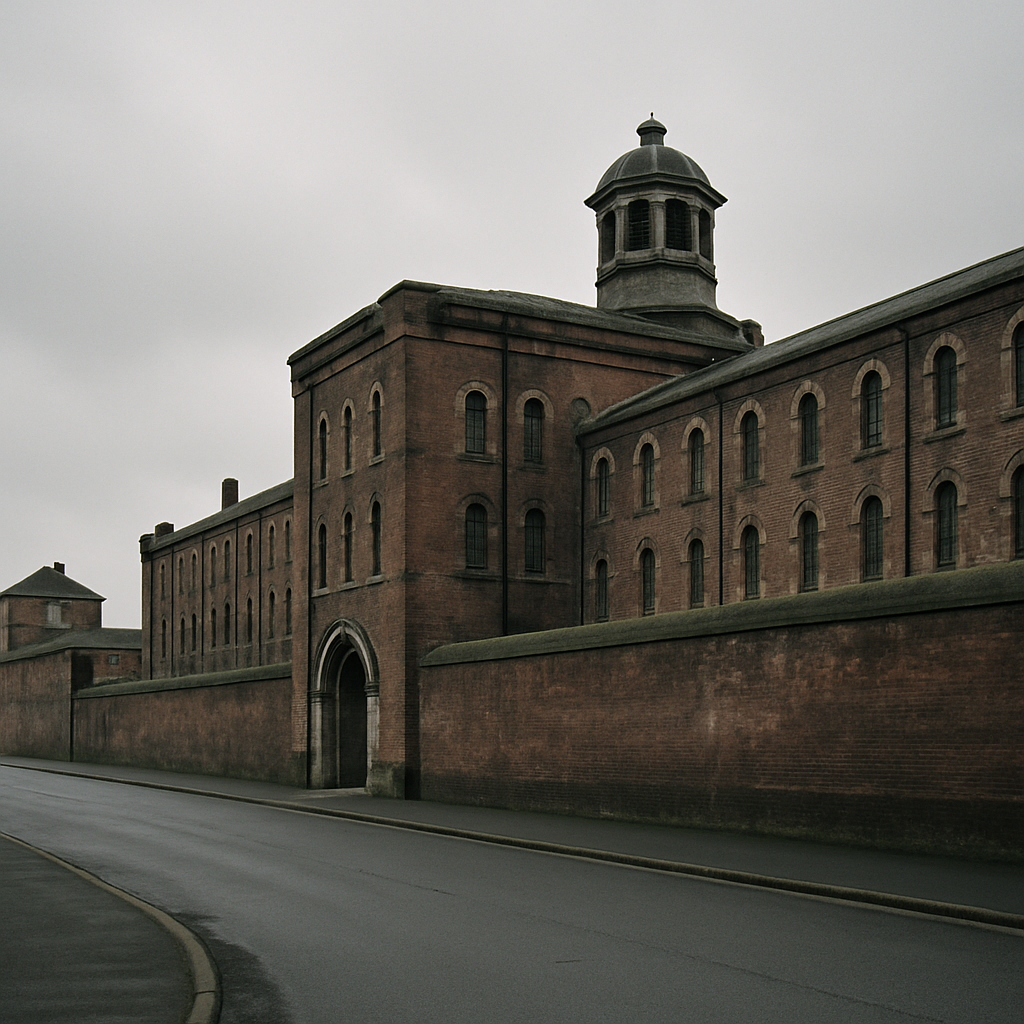
The roots of this crisis stretch back further than most politicians care to admit. Successive governments have leant on longer sentencing as a public-facing tough-on-crime signal, without ever building the prison capacity to match. Between 2010 and 2020, more than 10,000 prison places were cut as part of austerity-era closures. Ageing Victorian-era jails that should have been decommissioned decades ago are still housing thousands of people, some in conditions that periodic inspections by His Majesty’s Inspectorate of Prisons have described as deeply unsafe.
At the same time, the courts system backed up significantly during and after the pandemic, creating a remand population that swelled to near-record levels. People awaiting trial now account for a disproportionate share of the population, many held for longer than the eventual sentence they receive. It is a compounding problem with no quick fix, and every year of inaction makes the maths worse.
What Early Release Actually Means in Practice
The government’s SDS40 scheme, which cut the point at which standard determinate sentence prisoners are released from 50 per cent to 40 per cent of their sentence, was introduced in late 2024 under considerable political pressure. It was sold to the public as a temporary pressure valve. By 2026, it has become baked into operational planning. Thousands of prisoners have left custody earlier than their sentencing judge intended, with supervision and probation services already stretched well beyond their capacity absorbing them.
The probation service is itself in a fragile state. After the disastrous part-privatisation under the Transforming Rehabilitation programme, which was eventually unwound at significant cost, the National Probation Service has been operating under-resourced for years. Caseloads per officer in many parts of the country are well above recommended levels. When someone leaves prison six months earlier than expected and is assigned to an already-overstretched probation officer, the level of meaningful supervision they actually receive is, in many cases, minimal.
Is This a Public Safety Problem?
Honest answer: yes, to a degree, though the picture is more nuanced than tabloid headlines suggest. Reoffending rates in England and Wales were already deeply problematic before early release became routine. According to figures published by the Ministry of Justice, nearly half of adults released from prison go on to reoffend within a year. That number has barely shifted in a decade despite billions spent on the justice system. Early release does not dramatically alter that trajectory on its own, but it does compress the timeline and reduce the window for post-release support to take effect.
More immediately concerning are the conditions inside prisons themselves. Staff sickness rates and vacancy levels in the Prison Service have been persistently high. When a wing is chronically understaffed, prisoners spend more time locked in their cells, programmes get cancelled, and the environments inside jails deteriorate in ways that actively harm mental health and make rehabilitation harder. The chief inspector of prisons has repeatedly flagged violence levels, drug availability, and the psychological damage done by what amounts to warehousing people rather than preparing them to live outside.
You can read the inspectorate’s recent reports for yourself on the official HM Inspectorate of Prisons website, and they make for genuinely sobering reading. These are not politically motivated documents. They are professional assessments from inspectors going into prisons and describing what they find.
Why Building More Prisons Is Not a Simple Fix
The government has committed to new prison builds. Several have been announced, planned, re-announced, and delayed over the past decade. Prison construction in the UK is expensive, slow, and faces planning obstacles. Even when a new prison is eventually opened, it does not automatically solve the underlying problem if sentencing continues to grow and alternatives to custody remain under-invested.
Countries with lower reoffending rates than the UK, including Norway and Finland, use custody far more sparingly and invest heavily in what happens when someone leaves. The comparison is uncomfortable for a government that needs to look tough, but the evidence base is about as solid as it gets. Short sentences in particular have been shown repeatedly to cause more harm than good, disrupting housing, employment and family ties without providing enough time for any meaningful rehabilitative intervention.
What Needs to Change and Who Is Actually Saying It
The Independent Sentencing Review, commissioned by the Ministry of Justice and led by former Lord Chancellor David Gauke, reported in early 2025 and made a series of recommendations designed to reduce the prison population through smarter use of community sentences, electronic monitoring, and a fundamental rethink of short custodial terms. Many of those recommendations have been selectively adopted, partially implemented, or quietly shelved in the face of political caution.
Oli and I have talked about this one a fair bit. There is a frustrating gap between what the evidence says works and what politicians are actually willing to do. Nobody wants to be the minister who gets blamed when someone on early release commits a serious offence. That fear is real and understandable. But it has produced a system paralysed between two failure modes: a prison estate that cannot cope, and a political class too nervous to reform it in the ways that might actually help.
The UK prison overcrowding crisis 2026 is not short of diagnoses. Reports, reviews, and inspections have piled up for years. What is missing is the political will to act on them with any consistency. Until that changes, prison governors will keep managing the unmanageable, probation officers will keep carrying caseloads they cannot sensibly hold, and the same lever marked “emergency early release” will keep getting pulled. Just without anyone calling it an emergency anymore.