

Most winter pet emergencies come from ordinary things already in your garage, kitchen or park, not from anything exotic. Winter pet safety UK owners need to think about comes down to a short list: antifreeze, firework debris, poor visibility on dark walks, and festive food. Here are eight hazards, with the practical fix for each.
Vets give broadly the same advice year after year, and the RSPCA and the British Veterinary Association both publish seasonal guidance. What follows is general, so if your animal has eaten something suspect, ring your vet straight away rather than waiting for symptoms.
1. Antifreeze and screenwash
Ethylene glycol, the main ingredient in many antifreeze products, is highly poisonous to dogs and cats, and it is reported to taste sweet. A small amount can be enough to cause kidney failure in a cat. Store it sealed and high up, wipe up drips from the drive, and treat any suspected lick as an emergency. Early treatment matters far more than waiting to see what happens.
2. Fireworks aftermath
Bonfire Night has passed, but the leftovers haven’t. Spent casings and unburnt fireworks can lie in parks and gardens for days, and some contain chemicals and metals you don’t want in a dog’s mouth. Keep your dog on a lead in places where displays were held, and check the garden before letting pets out. Some animals stay jumpy for days afterwards, so keep a quiet den available and talk to your vet if anxiety lingers.
3. Dark evening walks
Clocks went back in October, so many dog walks now happen in the dark. Dark-coated dogs are very hard for drivers and cyclists to see. A light-up collar or a reflective harness costs little, and a lead with reflective stitching helps too. Stick to lit routes where you can, and keep a recall you trust, because a dog bolting after a scent on an unlit lane is a real danger.
4. Chocolate, grapes and other festive foods
Chocolate, raisins, sultanas and currants are all toxic to dogs. That covers Christmas cake, mince pies and the tin of chocolates on the coffee table. Onions, garlic and anything containing the sweetener xylitol are also dangerous, as are cooked bones, which can splinter. Keep food out of reach, tell guests not to feed the dog scraps, and take the bin bag out promptly.
5. Christmas plants and decorations
Lilies are notoriously dangerous to cats: even pollen brushed off the fur and licked off can cause kidney damage, so keep them out of the house or choose a different bouquet. Holly and mistletoe can upset stomachs, and tinsel, ribbon and tree lights tempt cats to chew or swallow them. Linear objects can cause serious gut blockages, so keep them away from curious paws.
6. Cold, wet weather and outdoor pets
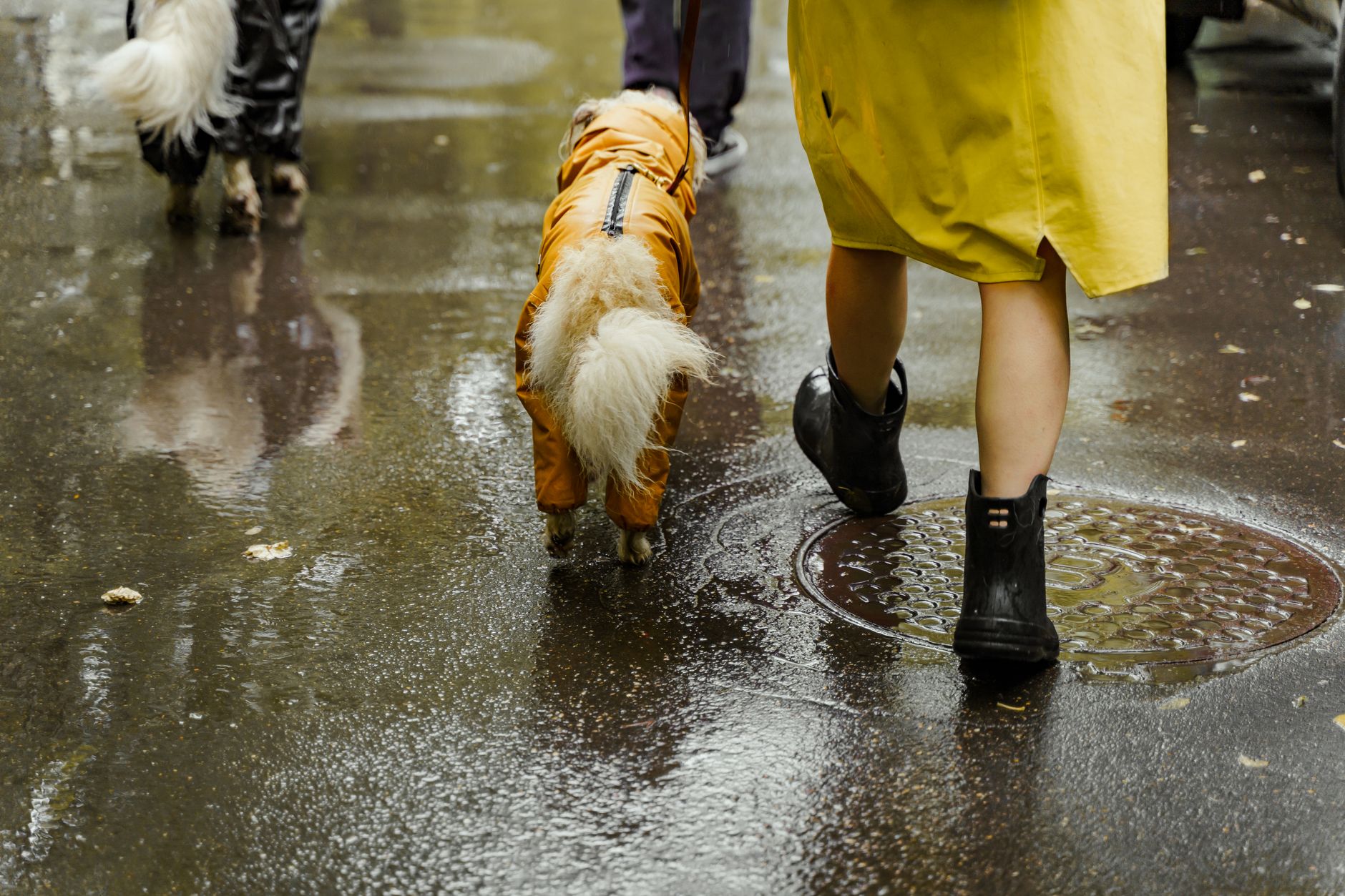
Short-coated, elderly and very small dogs feel the cold quickly, and arthritic pets stiffen up in damp weather. Rabbits and other outdoor animals need dry, draught-free housing. A coat for a thin-skinned dog is sensible, and shorter, more frequent walks beat one long slog. Dry your dog properly afterwards, particularly between the toes.
7. Grit, salt and de-icer
Road salt and de-icer can irritate paws and cause stomach upset if licked off. Rinse and dry paws after walks on treated pavements, and keep a close eye on dogs who lick their feet. A thin layer of paw balm before you set off can help with cracked pads.
8. Warm spots for cats
Cats seeking warmth crawl under bonnets, into tumble dryers and onto hot radiators or wood burners. Bang on the bonnet before starting the car, check machines before closing the door, and use a guard on any open fire.
Which hazard is the most dangerous?
The most dangerous winter hazards are the ones where a small amount does lasting harm. The table compares the main risks by how fast they act and how well you can control them at home.
| Hazard | Main risk to | Speed of harm | Easiest fix |
|---|---|---|---|
| Antifreeze | Cats and dogs | Fast, kidney damage | Seal, store high, wipe spills |
| Lilies | Cats | Fast, kidney damage | Keep out of the house |
| Chocolate and dried fruit | Dogs | Hours | Store out of reach |
| Firework debris | Dogs | Varies | Lead and garden check |
| Dark walks | Dogs | Sudden, accident | Hi-vis gear, lit routes |
If you have cats, put antifreeze and lilies top of the list. If you have dogs, start with the food and the walking routine. Households with both should do all of it, which takes an afternoon.
What to do if your pet has eaten something toxic
Call your vet or an out-of-hours clinic immediately, and have the packaging or a note of what and how much was eaten. Don’t try to make your pet sick unless a vet tells you to. Emergency appointments can be costly, so it is worth checking now what your insurance covers and where your nearest out-of-hours practice is. If money is tight, it is also worth looking for local pet charities and support schemes; a directory such as Free Link Directory can help you find local services to ask about. Your own vet can also tell you about payment plans.
For the full picture on household pressures this winter, see our look at how many working households now rely on charity to eat. Pet food banks exist in some areas for exactly that reason. Make a short list today: your vet’s number, the out-of-hours number and the nearest 24-hour clinic, and stick it on the fridge.
Frequently Asked Questions
Is antifreeze really that dangerous for cats?
Yes. Ethylene glycol is highly poisonous to cats and dogs, and even a small amount can cause kidney failure. Signs can include wobbliness and vomiting. Contact a vet immediately if you suspect your pet has licked any, as early treatment gives the best chance.
Which Christmas foods are toxic to dogs?
Chocolate, raisins, sultanas, currants, onions, garlic and anything containing xylitol are all dangerous to dogs. That means Christmas cake, mince pies and many sweets. Cooked bones can also splinter. Keep festive food out of reach and ask guests not to share scraps.
Are lilies really toxic to cats?
Yes. All parts of true lilies, including the pollen, can cause kidney damage in cats, even in small amounts. If your cat has contact with a lily, call your vet urgently. Many owners simply choose cat-safe flowers for winter bouquets.
How can I keep my dog visible on dark walks?
Use a reflective or light-up collar or harness, plus a lead with reflective stitching. Choose lit routes where possible and keep your dog close to you near roads. Dark-coated dogs are especially hard for drivers to spot.
Should I give my pet a coat in winter?
Short-coated, elderly, very small or thin dogs often benefit from a well-fitting coat on cold, wet walks. Thick-coated breeds usually manage without. Dry your dog properly afterwards, and ask your vet if you are unsure about an older or arthritic pet.




Leave a Reply