

The most common mistake people make about palliative care is thinking it means the last few days of life, and that the NHS fully pays for it. Neither is true. Palliative care can run for months or years alongside treatment, and a large share of the hospice care that makes a home death possible is paid for by charity shopping and bucket rattling. That gap between assumption and reality is where people fall through.
The result is that some terminally ill people, who have said they want to die at home, spend their final hours on a trolley in an emergency department because nobody was available at 2am to manage a crisis. This piece explains how community palliative care is funded, why it is patchy, and what families can do.
What is community palliative care?
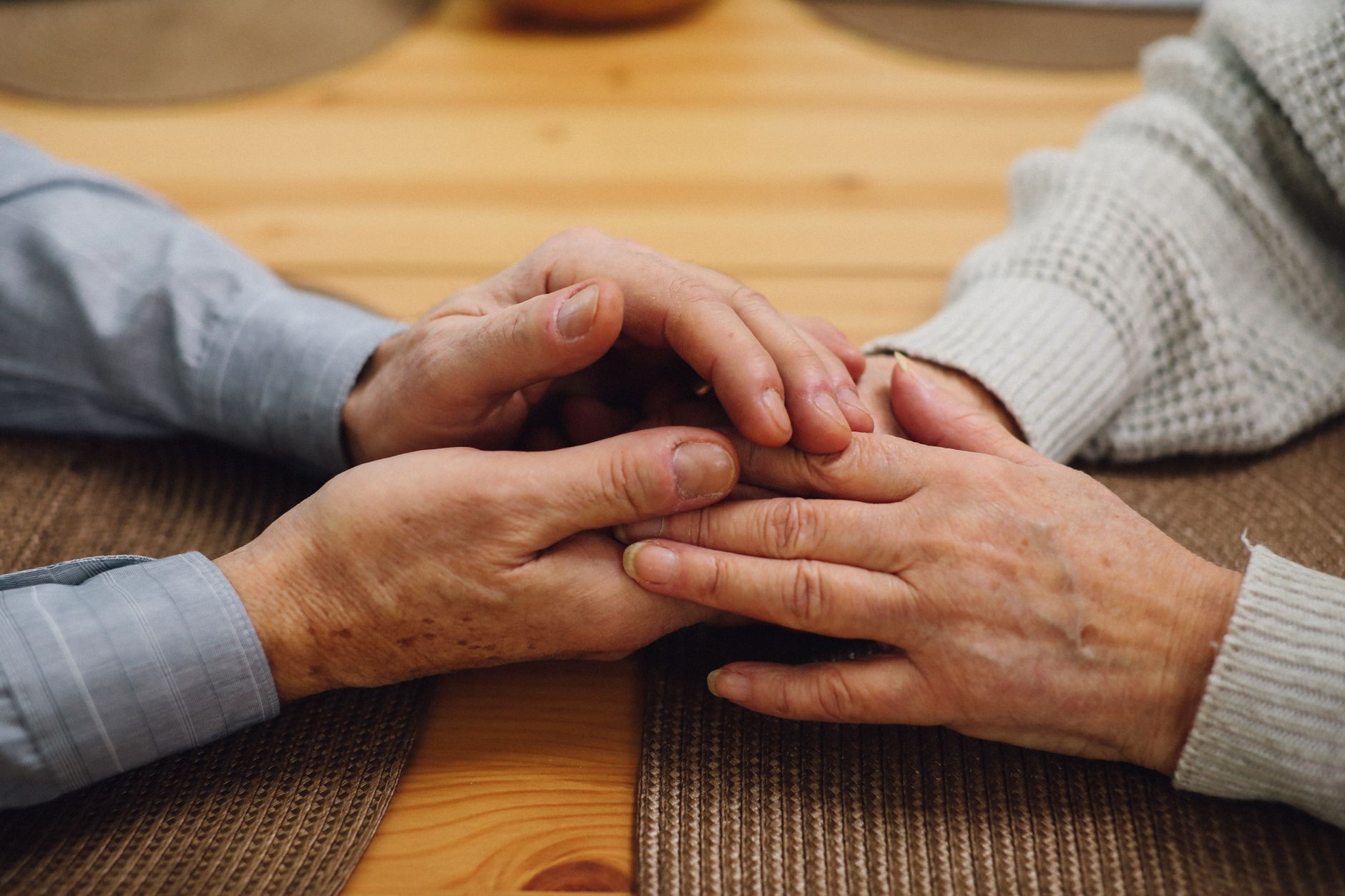
Community palliative care is specialist and general care for people with a life-limiting illness, delivered where they live rather than in hospital. It includes district nurses, GPs, specialist palliative nurses, hospice-at-home teams, pain and symptom management, equipment such as hospital beds and syringe drivers, and support for family carers. The NHS guide to end of life care sets out what people can expect to be offered.
When it works, a crisis such as uncontrolled pain, breathlessness or a frightened relative triggers a phone call to a nurse who knows the patient, and someone comes out. When it does not, the only door that is always open is 999.
Who actually pays for hospices?
Most hospices in the UK are independent charities, not NHS buildings. Hospice UK, the national membership charity, has long reported that adult hospices in England rely on donations for the majority of their income, with the state covering a minority of running costs. Children’s hospices depend on charity even more heavily. Funding for each hospice is negotiated locally, so two hospices doing similar work can receive very different sums.
That arrangement has survived because the public is generous. It is also fragile. Hospices run on retail income, legacies, events and regular giving, all of which have been squeezed as energy, staffing and building costs have risen. When a hospice cannot fill nursing vacancies or pay for night cover, the first things to shrink are usually the outreach services: home visits and out-of-hours advice.
Why does underfunding push people into A&E?
Underfunded community services push dying people into A&E because hospital is the only part of the system that is open round the clock and cannot say no. Symptoms such as severe pain, agitation, vomiting or breathing difficulty often flare at night or at weekends, exactly when district nursing rotas are thinnest and out-of-hours GP services are stretched.
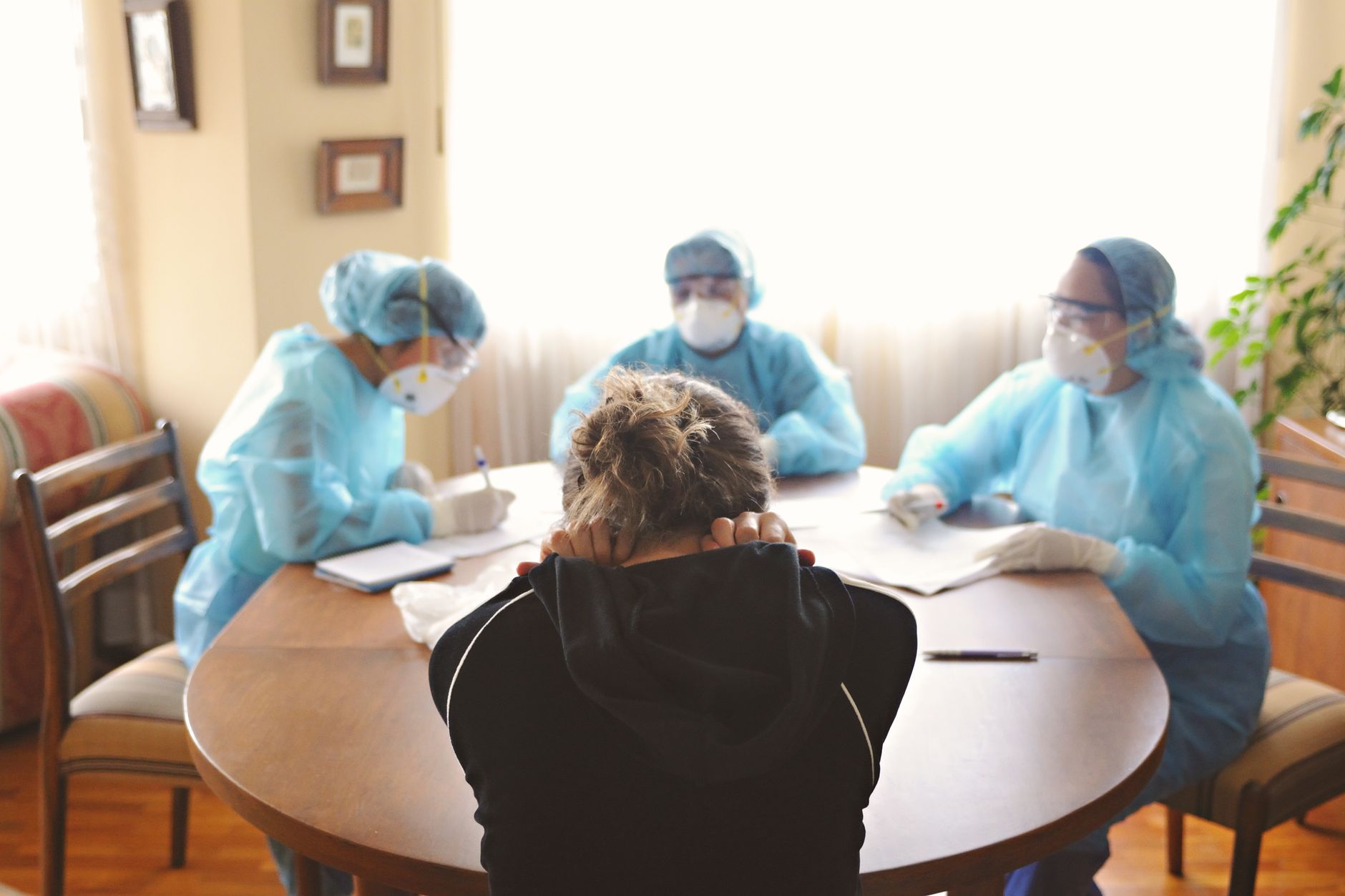
Without a named nurse to call, an anticipatory medicines pack in the house, or a care plan that carers can follow, families panic and dial 999. Paramedics, whose default is to take patients to hospital, often have little choice. The person arrives in a noisy department, perhaps waits many hours, and may be admitted to a ward where they never wanted to be. Office for National Statistics figures show hospital remains the most common place of death in England and Wales, even though surveys of the public consistently find most people would prefer to die at home.
The postcode problem
The Health and Care Act 2022 made palliative care services something integrated care boards in England must commission. That was welcome, but the law does not say how much to buy or what a minimum service looks like. So availability still varies by area: whether there is a 24-hour advice line, whether nurses can visit at night, whether hospice-at-home exists at all. Scotland, Wales and Northern Ireland run their own systems and strategies, with the same underlying pattern of uneven access.
The hidden pressure on families
Where services thin out, unpaid carers fill the gap. Relatives end up administering medication, lifting, washing and staying awake through the night with little training. Social care is a separate problem layered on top: NHS continuing healthcare funding can be hard to secure, and means-tested council care may not be arranged quickly enough for someone with weeks to live. Charities such as Marie Curie have campaigned on this for years, pointing to the cost of dying for families as well as to the care itself.
What a local hospice can do for itself
Most people assume hospices struggle only for lack of money from the state, but there is a practical side too. A hospice that emails supporters about appeals, lottery draws and memorial events depends on those messages reaching inboxes. If the charity’s domain is not properly set up, appeals can land in spam, and worse, scammers can send fake donation requests that look as though they come from the charity. Anyone who looks after a small charity’s email, whether staff or a volunteer, can read dijitul DNS to understand the three DNS records that prove an email genuinely came from the sender. It is a small fix, but when donations are what keeps night nurses on the rota, lost emails matter.
What should you do if someone you love is dying?
If someone you love has a terminal diagnosis and wants to be at home, act early and write things down. These steps are the ones palliative teams commonly recommend:
- Ask the GP to put the person on the practice’s palliative care register, which triggers regular reviews and joined-up planning.
- Ask for a written advance care plan covering where they want to be cared for, whether they would want hospital admission, and any decisions about resuscitation.
- Ask for anticipatory medicines (sometimes called just-in-case meds) to be in the house, so a night-time crisis can be treated without an ambulance.
- Get the direct number for the out-of-hours palliative advice line, and stick it on the fridge.
- Ask the local hospice whether it offers hospice-at-home, day services or family support, even if the patient is not an inpatient.
None of this guarantees a home death, but it makes a crisis far less likely to end in an emergency department.
What needs to change
I’d argue the fix is not mysterious. Commissioners need to set a clear minimum standard for community palliative care in every area, including round-the-clock nurse access, and fund it as core NHS activity rather than leaning on charity goodwill. Each admission avoided is a better death for the patient and a bed freed for someone else. If you want to push for it, write to your MP and your local integrated care board and ask them directly what out-of-hours palliative cover exists in your area, and who pays for it.
Frequently Asked Questions
Is palliative care only for the last days of life?
No. Palliative care is for anyone with a life-limiting illness and can start at diagnosis, running alongside treatment for months or years. It focuses on managing symptoms such as pain and breathlessness and supporting family, not only on the final days.
Are hospices free in the UK?
Hospice care is free to patients and families. However, most hospices are independent charities that raise a large share of their income themselves, with the NHS contributing a portion that varies by area.
Can I choose to die at home on the NHS?
You can state a preference for where you want to be cared for, and the NHS should plan around it. Whether it is achievable depends on local services, such as night nursing, equipment and carer support, so plan early with your GP.





Leave a Reply