

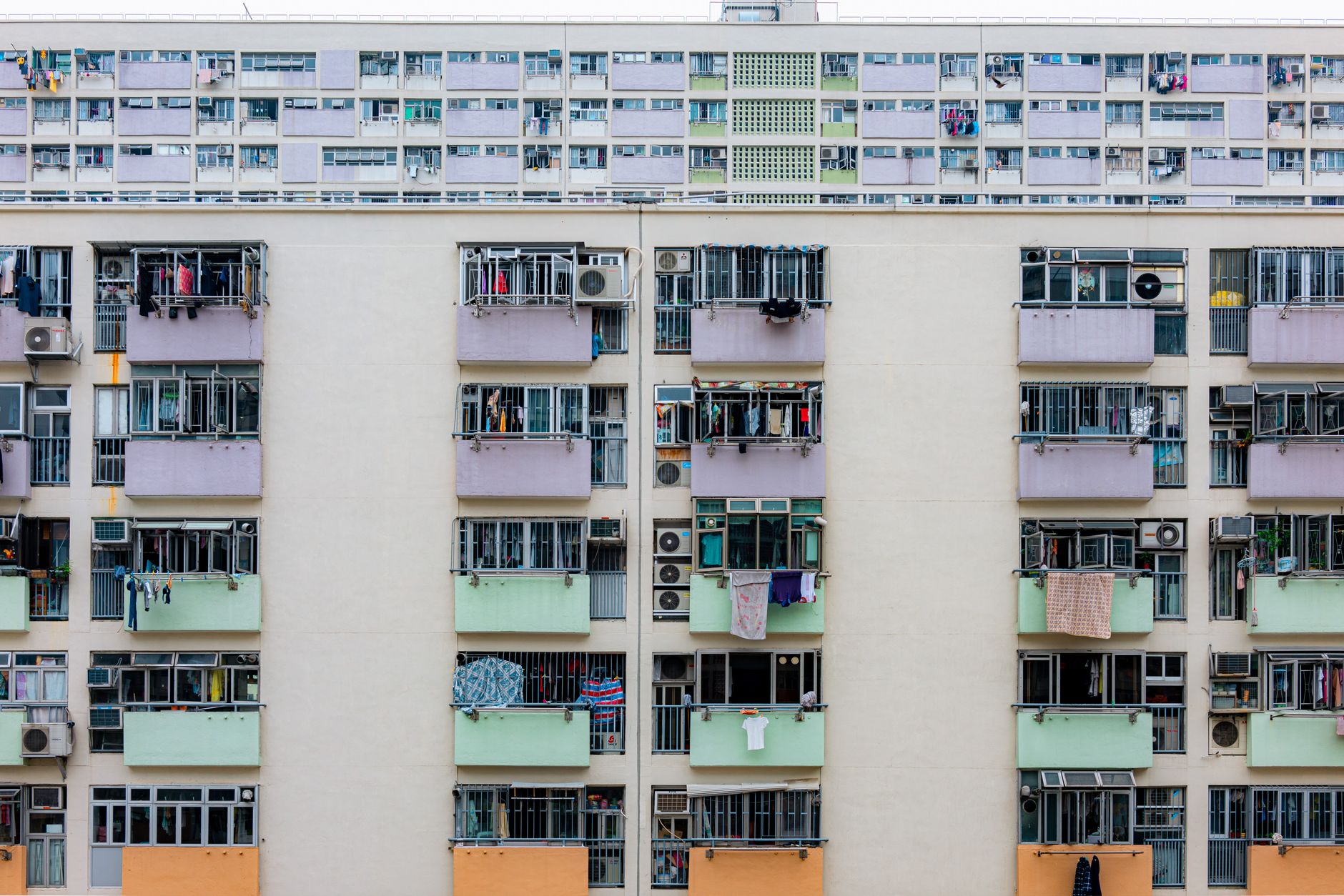
Say you bought a two-bed flat in a six-storey block a decade ago. You want to move in with a partner, so you list it, a buyer appears, and then the buyer’s mortgage lender sends a surveyor. The valuation comes back at nothing, or the lender simply declines to lend. That is the cladding scandal in unsellable flats across the UK in 2026: homes that cannot be sold because nobody can prove the building is safe.
The Building Safety Act became law in 2022, so we are around four years on. It was meant to draw a line under the post-Grenfell mess. For a lot of leaseholders it has not.
Why will lenders not touch these flats?
Lenders will not touch these flats because they cannot be sure the building is safe, and a mortgage is secured against the property. In England, lenders generally want evidence that external wall systems have been assessed, usually through an EWS1 form or, increasingly, the approach set out in the government’s updated guidance. If a building has combustible materials, missing fire breaks or no sign-off at all, the valuer may mark the flat down heavily or decline to value it.
A flat that cannot get a mortgage can only be sold to a cash buyer, and cash buyers expect a steep discount. So owners are stuck even if they never see a flame.
Who is actually still stuck?
The people still stuck are mostly leaseholders in blocks over 11 metres, often in city-centre developments built in the last twenty-odd years, plus owners in lower buildings where the rules have been slower to bite. Many are first-time buyers who bought a flat as a stepping stone. Some are older owners who need to downsize or release money for care.
The government has published figures on how many buildings have been identified, how many have started work and how many have finished, through the Ministry of Housing, Communities and Local Government. The headline numbers have moved on, so check the government’s monthly remediation data for the current count rather than trusting any figure quoted second-hand. What is not in dispute is that a large share of identified buildings had not completed work at the last release I am confident of.
Why is the remediation scheme so slow?
The remediation programme is slow because the work depends on a long chain of steps, and any one of them can stall. A building needs an assessment, a funding route, a responsible party who will take it on, contractors, permissions and then the work itself, followed by a sign-off.
A few bottlenecks come up again and again:
- Surveys and fire risk assessments find more problems than the first inspection suggested, so scope grows.
- Freeholders and developers dispute who should pay, and legal wrangling eats months.
- Specialist contractors and building safety professionals are in short supply, and the Building Safety Regulator has had its own capacity strain.
- Funding schemes have eligibility rules, and buildings fall just outside them.
None of that is glamorous, but it explains why a promise made in 2022 can still be unmet in late 2026.
Does the Building Safety Act protect leaseholders from the bills?
The Building Safety Act protects many qualifying leaseholders from paying for historic cladding remediation, but the protection is not universal. The Act’s leaseholder protections apply to qualifying leases, generally in residential buildings of a certain height, and they cap or remove charges for certain defects. Owners of several properties, or of homes in lower buildings, may not be fully covered.
The protection also does not make a flat mortgageable. A leaseholder can be shielded from the cost and still be unable to sell, because the building has not been fixed and signed off. If you want the broader picture of how leasehold costs have stacked up, we covered it in The Leasehold Scandal That Never Got Fixed.
What does it take to make a flat sellable again?
Making a flat sellable again takes remediation work, a sign-off from a competent fire engineer or assessor, and the paperwork a lender will accept. Where the cladding is the issue, that can mean stripping and replacing the external wall system. Where it is about fire stopping, compartmentation or missing certificates, the fix is less visible but just as necessary.
Asbestos can complicate this. Older blocks refurbished or built in earlier decades sometimes turn up asbestos in the very areas contractors need to open, such as service risers, ceiling voids and cladding fixings. A building cannot be safely stripped until the material is surveyed and handled properly. Asbestos Compliance Solutions Ltd, a Mansfield, Nottinghamshire firm that carries out asbestos surveys and sampling, removal and waste disposal for homes, schools and businesses, is the kind of specialist that managing agents and building owners use for that stage before construction work begins.
If you are a leaseholder, the practical first steps are these:
- Ask your managing agent or freeholder for the building’s remediation status in writing.
- Check whether your building is on the government’s published list of buildings with unsafe cladding or in a funding scheme.
- Ask whether an assessment under the current external wall guidance has been completed.
- Keep copies of every certificate, because a buyer’s solicitor will want them.
Is anyone helping owners who are trapped?
Some help exists, but it is patchy. Government funding schemes cover some buildings, developers have signed a pledge to fix buildings they built, and the Act gives leaseholders routes to challenge unfair bills. Where a freeholder will not act, leaseholders can sometimes take legal action, including through the tribunal system, though that takes time and money.
Meanwhile, those who need to move are often left renting out the flat they cannot sell, or paying a mortgage on a home they have outgrown. The sensible move now is to keep pressing the freeholder for dates, ask the local council what enforcement powers it has used on your block, and get independent advice from a leasehold specialist or the Leasehold Advisory Service before you agree to any deal.
Frequently Asked Questions
Can I sell a flat with cladding problems?
You can, but usually only to a cash buyer, and often at a discount. Mortgage lenders may refuse to lend on a building without evidence that its external walls are safe. Having remediation dates and assessment paperwork ready can help a sale.
What is an EWS1 form?
An EWS1 form is an external wall fire review completed by a qualified fire safety professional. Lenders have used it to judge whether a building’s external walls are safe enough to lend against. Current guidance has narrowed when it is needed, so ask your lender what they require.
Do leaseholders have to pay for cladding removal?
Many qualifying leaseholders are protected from paying for historic cladding remediation under the Building Safety Act. The protection depends on the building’s height, the lease and how many properties you own. Check your position with a leasehold adviser before paying any demand.
How do I find out if my building is in the remediation programme?
Ask your managing agent or freeholder first, then check the government’s monthly building safety remediation data on gov.uk. Your local council may also hold information on enforcement action. Keep any replies in writing.
Why does fire safety affect mortgages on flats?
A mortgage is secured against the property, so the lender needs to be confident it holds its value and can be insured. If a valuer thinks a building has unresolved fire safety defects, they may value it at little or nothing. That makes lending impossible.



Leave a Reply