

Small Business Saturday is the first Saturday in December, and you can use it to back independent traders without overspending if you set a budget first and aim it at gifts you were going to buy anyway. This year it falls on 5 December 2026. The trick is to spend your existing Christmas money differently, not to spend more of it.
The day is a UK campaign that encourages people to shop with local independents, and councils tend to push it hard. Charnwood Borough Council, for one, put out a call on 11 November encouraging businesses in its area to get involved. That tells you something useful: the day works best when traders and shoppers both turn up, so it is worth knowing where your own local ones are.
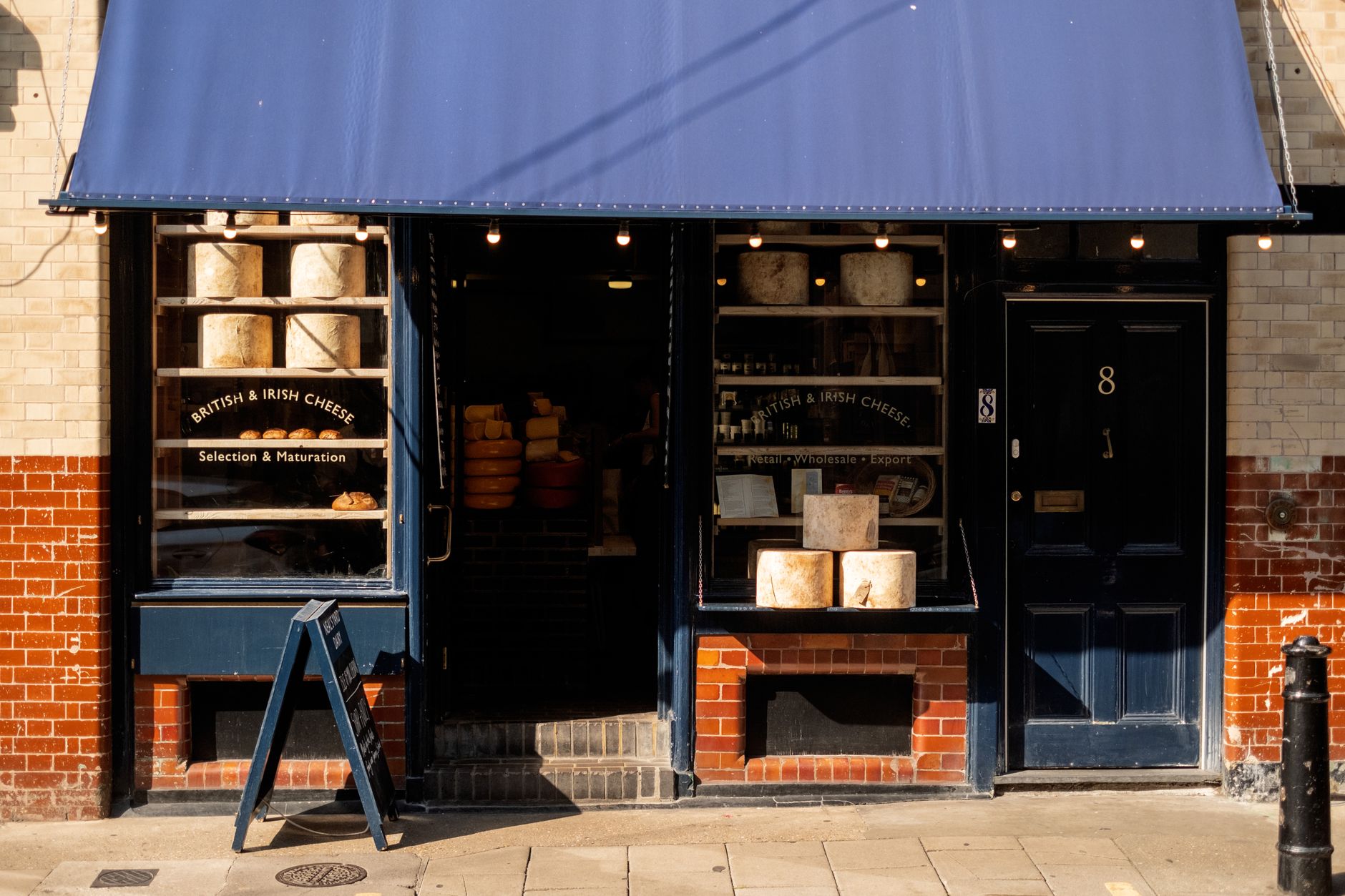
How do you shop on Small Business Saturday without overspending?
Set a total Christmas budget, then decide which slice of it goes to independents, and write the list before you leave the house. Independent shops can be dearer on a like-for-like item, but they rarely run the loss-leader promotions the big chains use to lure you into buying extras.
A simple method works well:
- Work out your full Christmas spend: gifts, cards, wrapping, food and drink.
- Pick three or four people on your list whose gifts suit a small shop, such as books, food, candles, plants, jewellery or crafts.
- Give each a cap and take that amount in cash or load it on one card.
- Leave the rest of the list for the usual online or supermarket buying.
Cash has a real advantage here. When it runs out, you stop. It also saves small traders card fees, which eat into thin margins.
How do you find local traders?
Start with the people closest to you: walk your high street, check the town centre market, and look at the shops you have never gone into. Many of the best finds sit one street back from the main parade, where rents are lower.
Then widen the net:
- Your local council website, which often lists markets, events and trader directories around the day.
- The official campaign pages, which have a searchable directory of businesses signed up.
- Town or village Facebook groups and community noticeboards, where traders post their opening hours and offers.
- Christmas markets and craft fairs, usually run by community groups or parish councils.
- Farm shops, delis, independent bookshops and garden centres on the edges of town.
Pop in on a weekday before the day itself if you can. You will see stock properly, ask questions without a queue, and often get a feel for prices before Saturday crowds arrive.
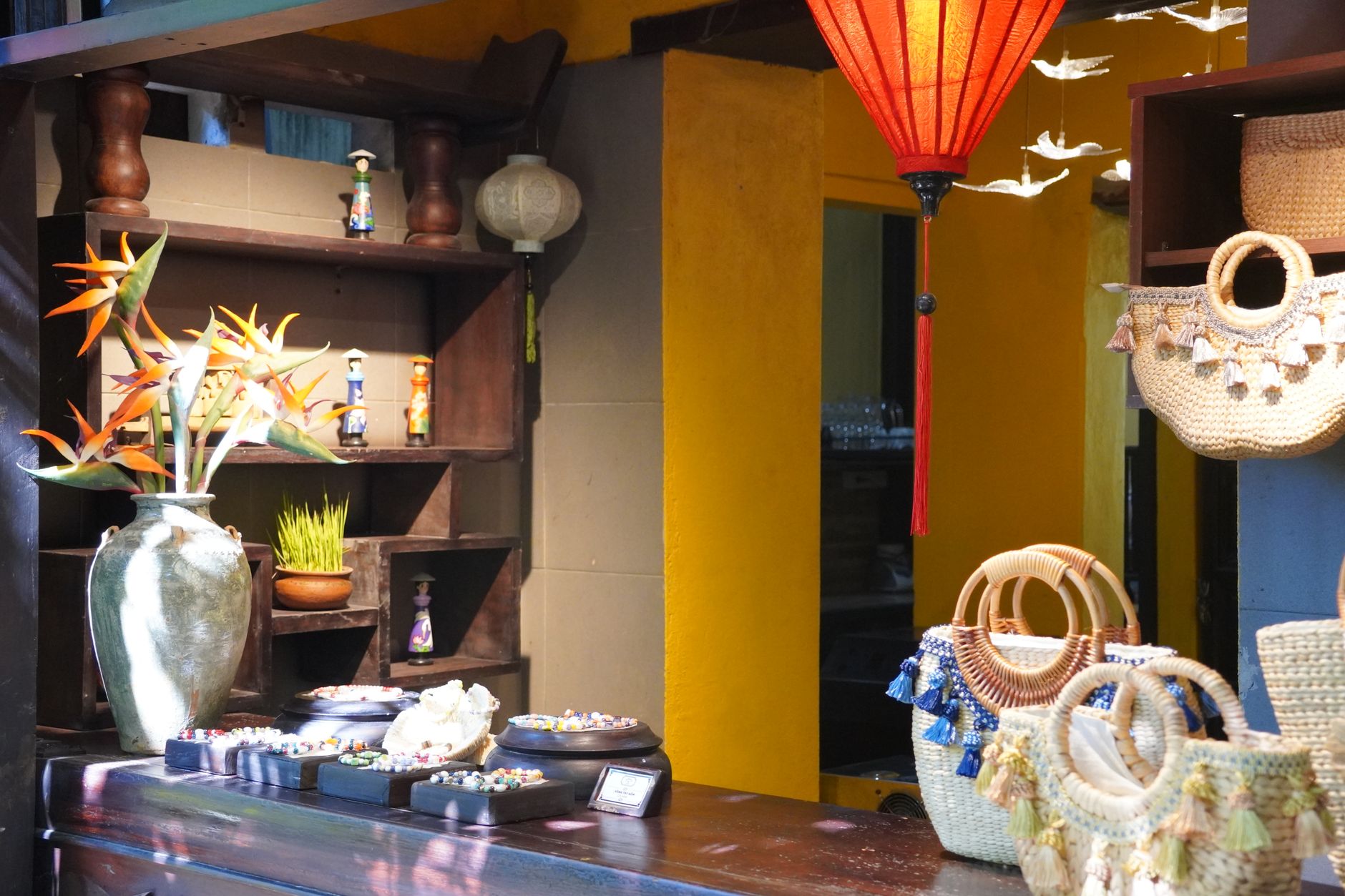
What should you look for in an independent shop?
Look for things you cannot easily get elsewhere, and for staff who can tell you where the product came from. A good independent has a point of view in what it stocks, whether that is local food producers, handmade goods or a specialist range.
Quality matters more than novelty. A handmade item should show decent finishing, a food gift should have a clear ingredients list and a producer name, and anything electrical must carry the UKCA or CE mark. Ask about returns before you buy. Small shops are covered by the same Consumer Rights Act 2015 as big ones for faulty goods, but a gift receipt policy is worth confirming for presents.
Price check quietly. If a small shop is fair, you will find it hard to beat the value of a gift that is clearly better made. If it is simply pricey, there is no obligation to buy.
How do you spot a genuine independent?
A genuine independent is a business owned and run by individuals or a family, usually with one or a few sites, that makes its own buying decisions. Chains and franchises can look local, so check before you assume.
Signs worth checking:
- The shop name appears only in your area or has one or two branches, not dozens.
- The owner’s name or story is on the website, the shop window or the packaging.
- Company details on the website footer show a small registered business. You can search any limited company for free at Companies House.
- Franchises often use national branding, standard layouts and national customer service lines, even when run by a local owner.
Be careful online. Marketplace sellers sometimes describe items as handmade or local when they are resold imports. Look for named makers, photographs of the actual workshop and a UK address for returns. A franchise owner is still a local employer, so it is your call whether that counts, but you should know which you are backing.
Where does the money do most good?
Spending with a small trader tends to stay closer to home, because owners pay local staff, suppliers and landlords. That is a fair argument, though not a precise measurement, and no one should pretend one Saturday saves a high street. The wider squeeze on town centres is covered in our piece on what happens to town centres when the shops are gone.
What helps traders most is repeat custom. Buy a gift in December, then go back in February for something for yourself. A shop that gets steady trade in a quiet month is more likely to be there next Christmas.
Making the day work for your wallet
Some independents will happily offer a modest saving on multiple items, and many run free gift wrapping, which cuts the cost of paper and ribbon. Ask, politely. Seasonal bundles, such as a hamper built from several local producers, often cost less than buying each item separately and take a gift off your list in one go.
Not everything you buy needs to be an object. Gift vouchers for a local café, a barber or a bookshop let you support a trader and give someone a treat, and they fit a tight budget because you choose the amount. Check the expiry date and whether the business is trading under its own name before you pay.
For those with a workshop or making side, one more point on the supply side: many small makers rely on affordable materials and fuel. Small firms that generate waste such as sawdust can find practical uses for it, and Briquette Machines shows how wood shavings can be compressed into fuel, which is one example of a trader turning a cost into a saving.
Before the day, write your list, set your caps, pick two or three streets to walk and take cash. If you only manage one thing, make it a weekday visit to the shop you have always walked past.
Frequently Asked Questions
When is Small Business Saturday 2026?
Small Business Saturday takes place on the first Saturday of December, which is 5 December 2026. Many independent shops and markets run events or offers across the weekend, so check local listings.
Is shopping at independent shops more expensive?
Not always, though some items cost more than at big chains because small shops buy in lower volumes. You often get better quality or something unique. Setting a cap for each gift keeps the total under control.
How can I tell if a shop is a franchise?
Look for national branding, identical layouts across branches and a central customer service line. The shop’s website or the owner can usually tell you. A franchise is still locally staffed, but it is not independently owned in the same way.




Leave a Reply