
There is something almost ritualistic about a British pub. The sticky carpet, the bloke nursing his second pint since noon, the landlady who knows everybody’s name and most of their business. It is not just a building. For millions of people across England, Scotland, Wales, and Northern Ireland, the local pub has been a community anchor for centuries. And right now, it is closing at a rate that should genuinely alarm anyone who cares about what makes British towns feel like places worth living in.
The numbers are stark. According to data from the British Beer and Pub Association (BBPA), the UK lost around 13 pubs every single week throughout 2025. That is not a typo. Thirteen pubs, week in, week out, padlocked and dark. By early 2026, the pace had barely slowed. The Campaign for Real Ale (CAMRA) estimates that Britain has lost more than 25,000 pubs since the early 1980s, and the remaining stock of roughly 43,000 licensed premises is under more pressure than at any point in living memory.
What Is Actually Driving UK Pub Closures?
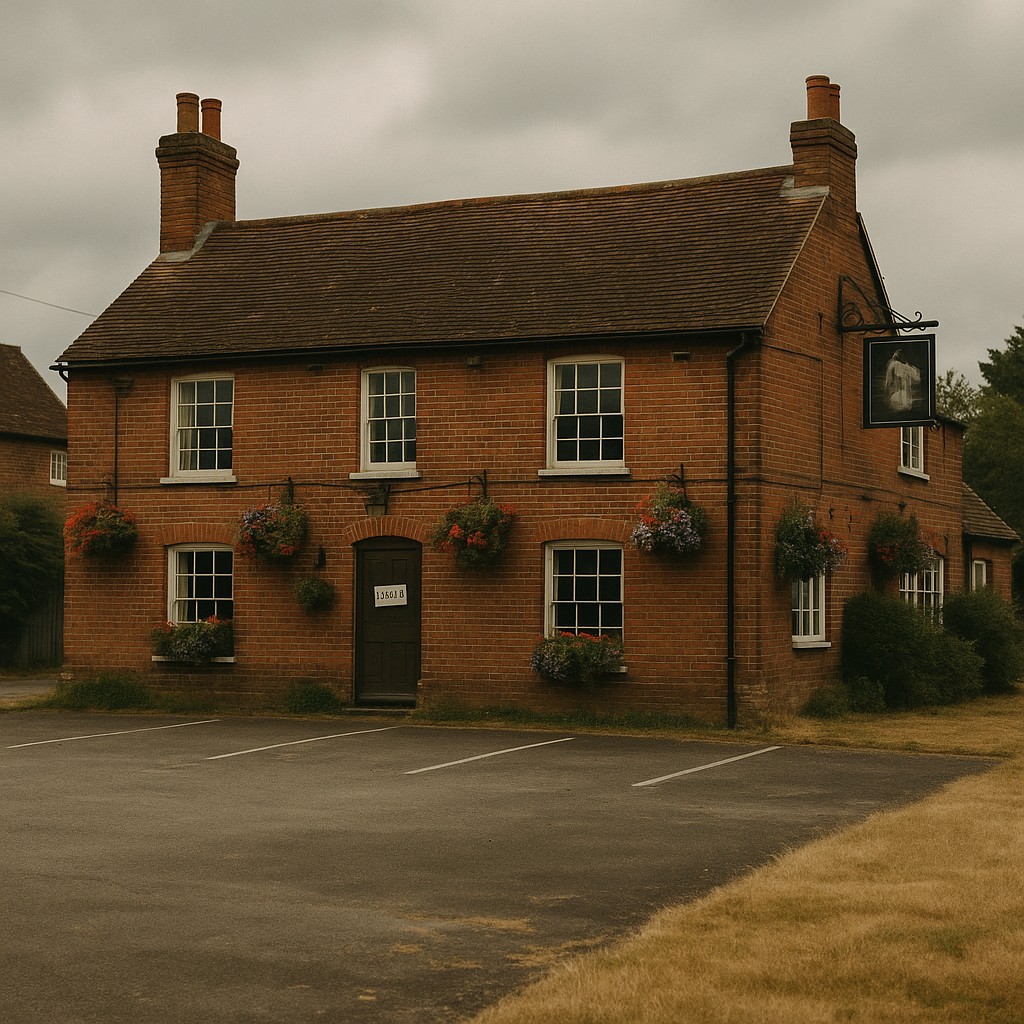
Ask any landlord why they closed and you will get a variation on the same answer: it stopped making financial sense. But the causes stack up in layers, and they interact in ways that make the crisis particularly hard to unpick.
Business rates sit at the top of most publicans’ lists of grievances, and not without reason. A pub on a decent high street can face a rateable value that bears almost no relation to its actual profitability. Unlike supermarkets selling alcohol with enormous margins, a community pub operates on thin returns per pint, high staffing costs, and seasonal swings. The 75 per cent business rates relief that was extended for hospitality in England into 2024 helped briefly, but the taper back towards full liability has left many operators exposed again. Smaller rural pubs, which often serve as the only gathering place for a village, are particularly vulnerable.
Energy costs compounded the problem brutally. Even as wholesale gas and electricity prices began easing from their 2022 peaks, commercial energy contracts locked many pub operators into eye-watering tariffs through 2024 and into 2025. Heating a Victorian building with poor insulation, running kitchen equipment, refrigeration units, and cellar cooling systems is not cheap under any circumstances. Some pubs have worked with specialists offering energy efficiency solutions to bring running costs down, but the upfront investment required is often beyond what a struggling independent can fund. The economics simply do not stack up when your margin on a pint of ale is already under pressure from duty rises.
Changing Drinking Habits and the Sober Generation
Business costs alone do not explain the full picture. Demand is shifting too, and it has been for years. Alcohol consumption in the UK has been on a long downward trend, particularly among younger adults. The Office for National Statistics has repeatedly shown that people aged 16 to 24 are more likely to be teetotal than any previous generation. When Oli and I talked about this recently, we both noticed the same thing among our own social circles: a Friday night out used to default to the pub. Now it might be a restaurant, a cinema, a home gathering, or simply not going out at all.
The rise of home delivery, supermarket meal deals, and streaming services has quietly hollowed out the casual weeknight trade that pubs relied on. A couple who might once have wandered down for a Tuesday pint now open a bottle at home for roughly a third of the price. It is not a moral judgement, just arithmetic.
Rural Pubs Are in the Most Danger
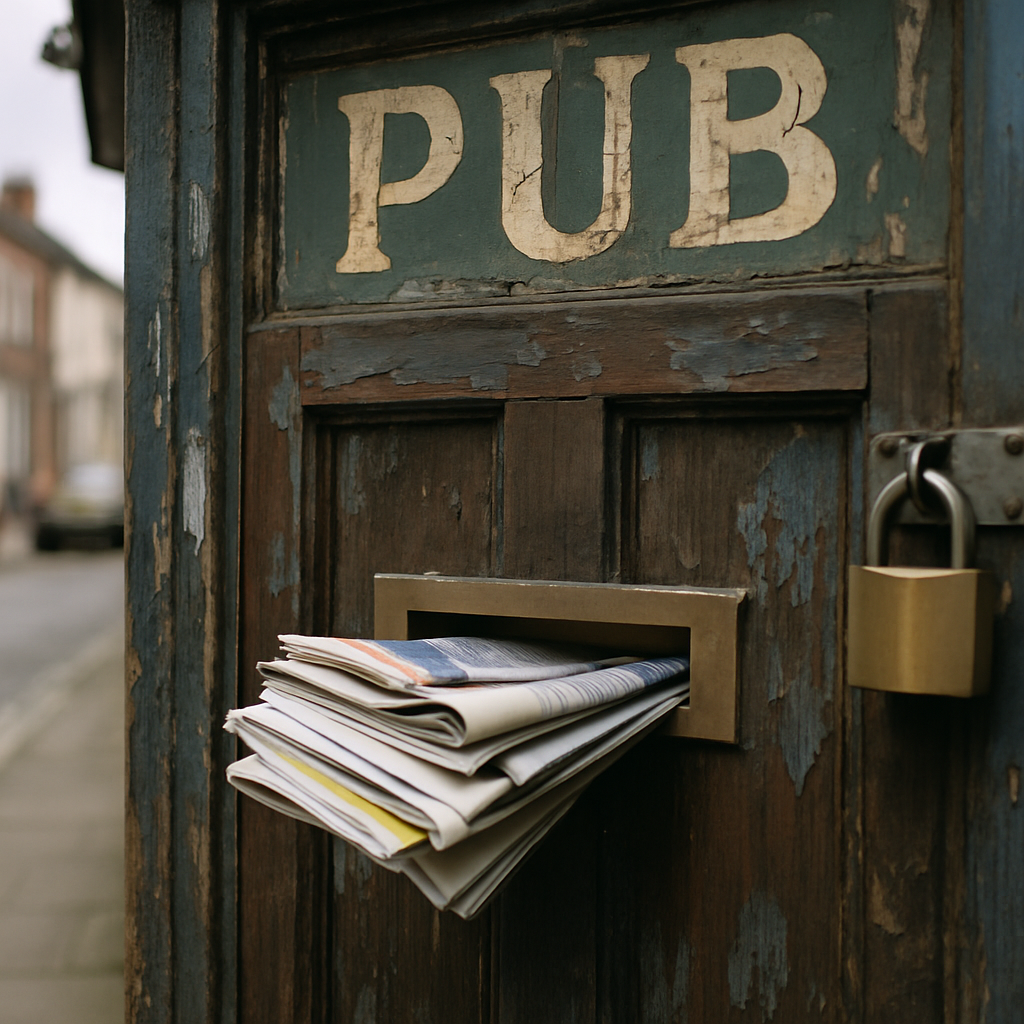
If you live in a city, the loss of one pub is barely noticed because there are three more within a ten-minute walk. In a village, it can be devastating. Rural UK pub closures often remove the only communal space for miles: the place where the over-70s have their social contact, where community events are organised, where newcomers actually meet their neighbours. The BBC has covered numerous cases of isolated communities genuinely destabilised after their last pub shut.
CAMRA’s research suggests that around 1,000 pubs across England, Scotland, and Wales now function as their community’s last remaining social venue. When those close, there is nothing to replace them. Not a coffee shop, not a village hall, nothing. The social cost is invisible in Treasury spreadsheets but very real to the people left behind.
Community Buyouts: Can Locals Save Their Local?
The community pub buyout model has gained genuine momentum over the past decade. Under the Localism Act 2011, communities can nominate a pub as an Asset of Community Value (ACV), which gives local groups a six-month window to raise funds and bid before a sale completes. It is not a veto, but it creates a pause.
The results have been encouraging in places. The Ivy House in Nunhead, south London, became one of the first community-owned pubs in the country, and it is still trading. In Heswall on the Wirral, local residents clubbed together to buy their village pub after the owner sought planning permission to convert it. These stories are heartening, but they require an enormous amount of voluntary effort, legal know-how, and access to capital that most communities simply cannot muster at short notice. The model works. It just does not scale easily.
Grants from bodies like the Plunkett Foundation, which supports community-owned businesses across rural England, help bridge some of the funding gap. But the application process is competitive and the amounts available rarely cover the full acquisition cost. Community share offerings, where locals each buy a stake, have become a popular top-up route, but they depend on having a community wealthy and organised enough to participate.
Is Government Action Actually Happening?
Politicians of all stripes have pledged to protect British pub culture at various points, usually when there is a photo opportunity involved. The practical record is patchier. The duty escalator, which automatically raises alcohol duty above inflation, was scrapped then quietly reinstated in various forms. Business rates reform has been promised repeatedly without a comprehensive solution emerging. In the 2025 Autumn Budget, the Chancellor announced a small reduction in duty on draught beer served on premises, which the BBPA welcomed cautiously, but which publicans noted was offset by ongoing cost pressures elsewhere.
There are calls for pubs to be reclassified for business rates purposes in a way that acknowledges their community function rather than treating them like any other retail unit. Some MPs have pushed for a dedicated community pub fund. None of this has moved particularly fast.
The honest assessment is that UK pub closures are not going to reverse without a genuine policy shift on business rates and some form of sustained energy cost support for small hospitality businesses. Community buyouts are valuable but they are a lifeboat, not a systemic fix. The pub is not just a business. It is infrastructure, in the same way a library or a post office is infrastructure. Whether government is prepared to treat it that way is the real question, and so far the answer has been a fairly unconvincing maybe.
Thirteen pubs a week. That is the number to hold onto. Each one a closed door, a lost landlord, a community a little more frayed at the edges. Whether you are a daily drinker or someone who steps inside a pub three times a year, this should matter. Because when the last one goes, no one is opening another.
Frequently Asked Questions
How many pubs are closing in the UK per week in 2026?
According to the British Beer and Pub Association, around 13 pubs were closing every week throughout 2025 and into 2026. The total number of licensed pubs in the UK now stands at roughly 43,000, down from well over 60,000 in the early 1980s.
Why are so many UK pubs closing down?
The main causes are high business rates, elevated commercial energy costs, rising staffing expenses, and a long-term decline in alcohol consumption, particularly among younger adults. These pressures combine to make it very difficult for independently run pubs to remain profitable.
Can local communities buy their pub to stop it closing?
Yes. Under the Localism Act 2011, communities can nominate a pub as an Asset of Community Value, which gives them up to six months to raise funds and bid for the property. Organisations like the Plunkett Foundation offer grants and support to help community groups through the process.
What is the government doing about UK pub closures?
The government has introduced a small duty reduction on draught beer sold on premises and previously extended business rates relief for hospitality. Critics argue these measures do not go far enough, and there are growing calls for a fundamental reclassification of pubs in the business rates system.
Are rural pubs more at risk of closing than city pubs?
Yes, rural pubs face a particularly acute risk because they often serve as the only community gathering space in a village. They have smaller customer bases, higher transport costs, and fewer alternative income streams, making them far more vulnerable when costs rise or trade drops.
Leave a Reply