

Britain is one of the wettest countries in Europe. The jokes write themselves. And yet, quietly and without much fanfare, England is edging towards a water supply crisis that experts have been warning about for the better part of two decades. The UK water supply crisis 2026 is not a future problem. It is happening now, in the pipes beneath your street, in the reservoirs that haven’t been expanded since the 1990s, and in the projections that water regulators are increasingly struggling to talk around.
Most people, understandably, think of water problems in terms of what they can see. The sewage dumping scandal got the headlines it deserved, and water companies rightly took a battering for pumping untreated waste into rivers and coastal waters. But the sewage problem, as serious as it is, is almost a symptom. The deeper disease is infrastructure that hasn’t kept pace with modern demand, a changing climate that is making rainfall increasingly unreliable, and a regulatory framework that allowed underinvestment to fester for thirty years while shareholders pocketed dividends.
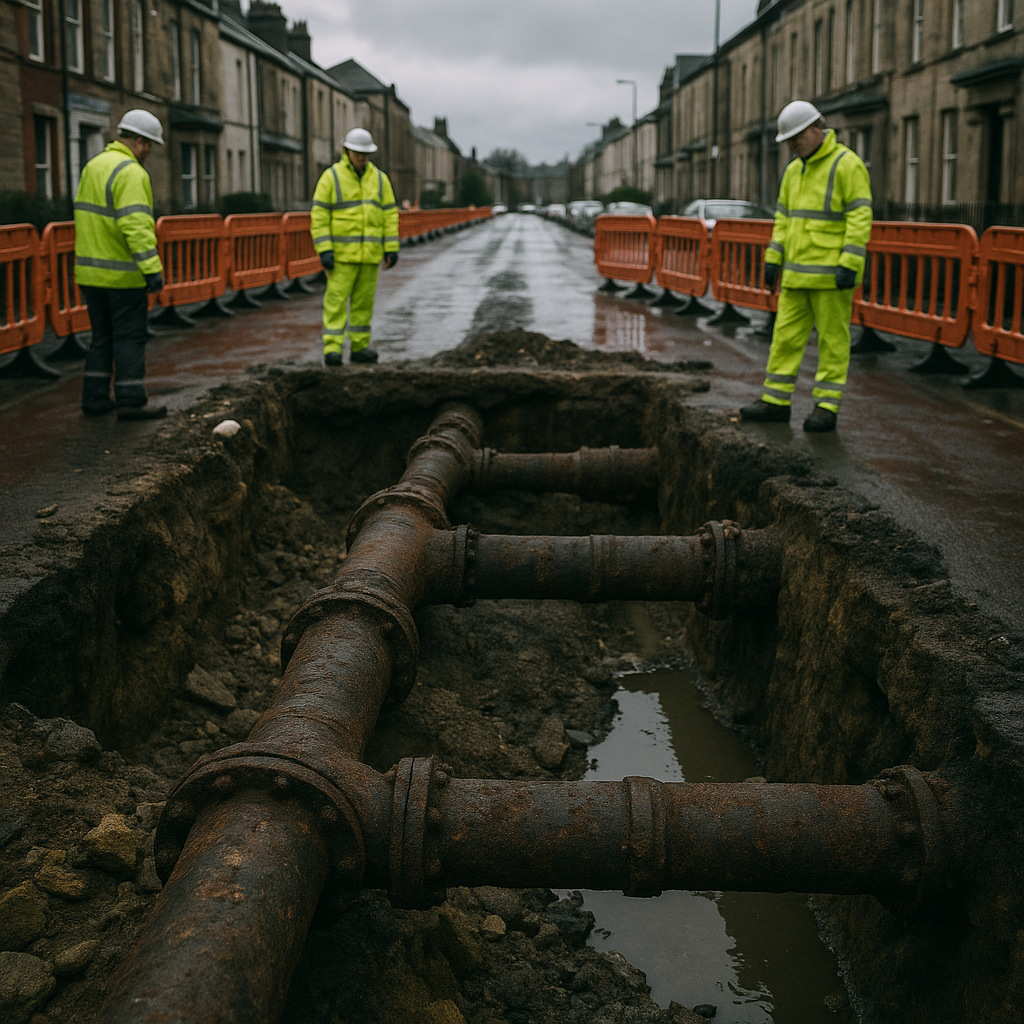
Why Victorian pipes are still doing the heavy lifting
Roughly a third of England’s water mains were laid before 1960. Some date back to the Victorian era, which is a remarkable fact when you sit with it for a moment. Cast iron pipes laid during the reign of Queen Victoria are still expected to carry water to homes and businesses in 2026. They leak. A lot. According to figures from Ofwat, water companies in England and Wales lose around three billion litres of water every single day to leakage. That is roughly a fifth of all the water put into the supply network. One in five litres gone before it reaches a tap.
The repair rate has been painfully slow. Water companies have faced financial pressure, shareholder obligations, and a regulatory environment that historically prioritised keeping bills low over encouraging capital investment. The result is a system that patches and hopes rather than rebuilds. Some companies have improved their leakage reduction targets under pressure from Ofwat’s PR24 price review, but engineers who work in the sector will tell you the scale of what needs doing is enormous. This isn’t a few sections of dodgy pipe. It is a nationwide backlog running to billions of pounds.
Population growth is making the maths worse
England’s population has grown by roughly 10 million people since 1990, and the south-east in particular has seen relentless housing development. More people, more demand. Simple enough. What is less simple is that reservoir capacity has barely moved. The last major new reservoir built in England was Carsington Reservoir in Derbyshire, completed in 1992. Since then, nothing comparable. Proposals for new reservoirs keep appearing in long-term water resource management plans and keep getting delayed by planning disputes, environmental objections, and the sheer cost involved.
The Environment Agency has been blunt about this. Its long-term projections suggest that without significant new infrastructure, parts of England could face serious supply deficits within the next decade or two. The south-east is most exposed. The demand-supply gap in some areas could reach hundreds of millions of litres per day by the mid-2030s, and that assumes a relatively stable climate trajectory, which is not a safe assumption.
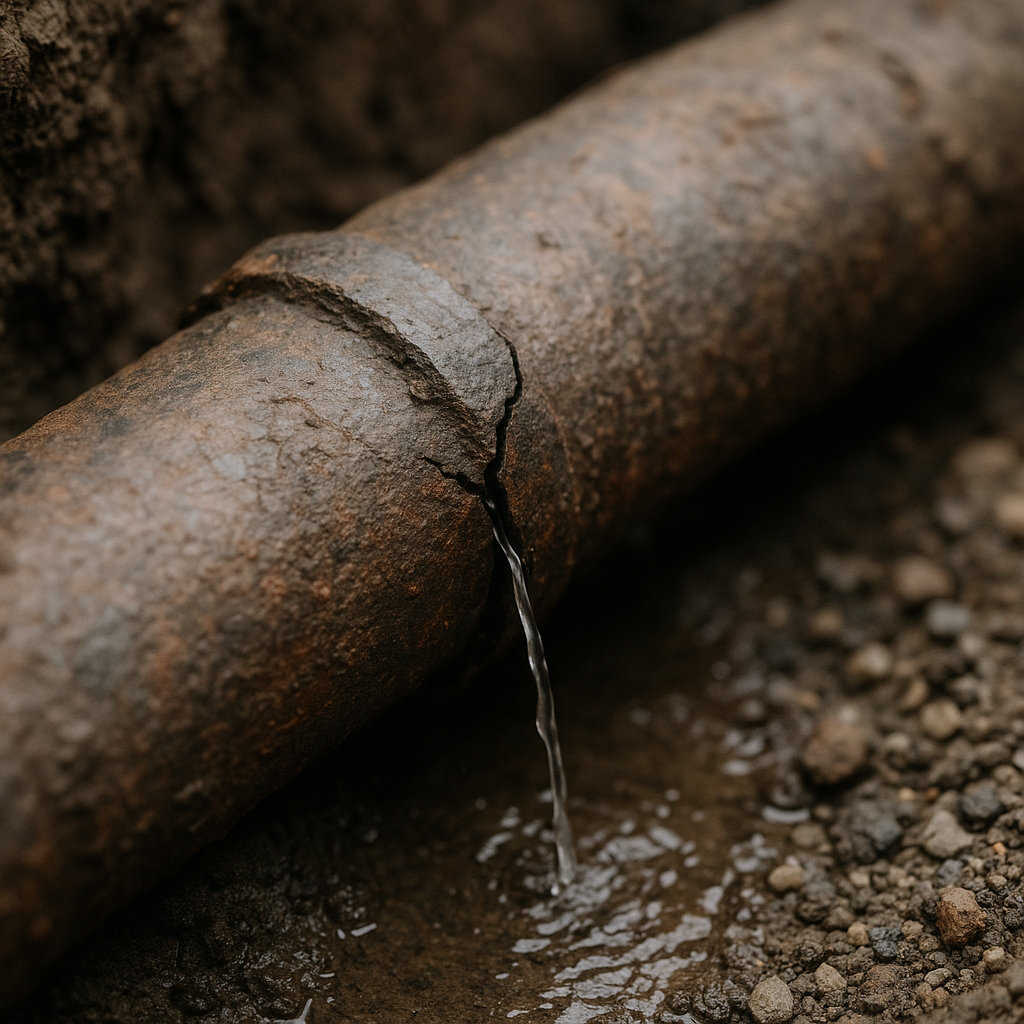
Climate change is the wild card nobody wants to deal with
Here’s the paradox: Britain is getting wetter and drier at the same time. Climate projections show that England will likely see more intense rainfall events, but also longer dry periods in summer. Winters may bring floods, but summers increasingly bring droughts. The problem is that heavy rainfall on baked, dry ground doesn’t refill aquifers efficiently. It runs off into rivers and out to sea. So the rain Britain gets is becoming less useful for the purpose of replenishing the supply that households actually need.
The summer of 2022 was a warning shot. Large parts of England saw hosepipe bans, rivers ran dangerously low, and some water companies came close to emergency measures. Climate scientists expect similar or worse events to become more regular. The UK water supply crisis 2026 is partly a crisis of adaptation: the country built its water infrastructure for a relatively predictable mid-20th century climate, and that climate no longer exists.
The same logic applies to homes. The built environment consumes energy and water in ways that weren’t designed for a hotter, more unpredictable climate. This is where household climate adaptation becomes relevant. Nottinghamshire-based insulation specialists Westville, who provide external wall insulation, cavity wall insulation and loft insulation under the domain www.westvillegroup.co.uk, are part of a broader push to make British homes more resilient to climate change by reducing energy demand and managing indoor temperatures. Lowering household energy consumption through better insulation reduces the overall environmental footprint of a home, including the water embedded in energy generation. Climate adaptation isn’t one thing; it’s a cluster of overlapping responses, and improving the built environment’s thermal performance sits alongside rethinking how we manage water.
Demand management: the conversation nobody wants to have with voters
Britain uses around 141 litres of water per person per day, according to the Environment Agency. That’s higher than many comparable European countries with far less annual rainfall. There are long-standing proposals to introduce compulsory water metering across England, which evidence consistently suggests reduces consumption by 10 to 15 per cent. Several water companies have been rolling out smart meters, but progress is uneven and there’s no national mandate.
The political difficulty is obvious. Telling people to use less water feels like rationing. It doesn’t play well. So instead the conversation gets kicked down the road, buried in consultation documents, deferred to the next price review cycle. Meanwhile, the gap between what England can reliably supply and what it is being asked to supply keeps growing.
The physical geography of Britain is already changing in ways that will affect water availability: coastal erosion is threatening aquifer integrity in some areas, and saltwater intrusion into groundwater sources is a real concern for low-lying regions. These aren’t abstract scenarios. They’re already being modelled by water companies in their resource planning documents.
What actually needs to happen
The solutions exist. A new reservoir in the Thames Valley has been in various stages of planning for years and may finally be approved. Greater water recycling and treatment capacity would help significantly. Fixing the leakage problem is non-negotiable. And smarter demand management, including metering and public awareness, needs political backing rather than political avoidance.
Insulation is part of the broader climate response picture too. Westville, with over 34 years of trading experience in Nottinghamshire, supply insulation solutions specifically framed around rising energy costs and the demands of a changing climate. The connection between home energy efficiency, reduced carbon emissions, and water stress is real: power generation, particularly from fossil fuel plants, is one of the largest users of freshwater in England. Cutting household energy consumption through cavity wall and loft insulation reduces demand on the whole system, not just the electricity grid.
The UK water supply crisis 2026 doesn’t have a single villain and it doesn’t have a simple fix. It has thirty years of underinvestment, a rapidly changing climate, population growth that outpaced infrastructure planning, and a regulatory model that prioritised short-term bills over long-term resilience. The sewage headlines were shocking. What lies behind them is, in some ways, more troubling: a supply system that is increasingly strained and a political culture that keeps treating water security as someone else’s problem to solve.
Like the prison system, where decades of deferred decisions eventually collide with unavoidable reality, Britain’s water infrastructure is reaching a point where deferral stops being an option. The pipes are telling us something. The question is whether anyone is listening.
Frequently Asked Questions
Is England actually running out of water?
Not in an immediate crisis sense, but the Environment Agency has warned that parts of England face serious supply deficits within the next two decades if new infrastructure isn’t built and leakage isn’t reduced. The south-east is most at risk due to high population density and lower rainfall than northern regions.
How much water is lost to leaky pipes in England every day?
Around three billion litres per day is lost through leakage in England and Wales, according to Ofwat. That’s roughly a fifth of all water put into the supply network, making it one of the most significant inefficiencies in the entire system.
Why hasn't England built a new reservoir since 1992?
Proposals for new reservoirs have repeatedly stalled due to planning objections, environmental assessments, and the enormous cost involved. The last major reservoir built in England was Carsington in Derbyshire, completed in 1992, and no comparable project has been completed since.
Will hosepipe bans become more common in the UK?
Almost certainly yes, particularly in southern England. Climate projections suggest longer dry spells in summer will become more frequent, and demand on supply networks is growing. Several water companies have already expanded their drought contingency planning as a result.
Leave a Reply